







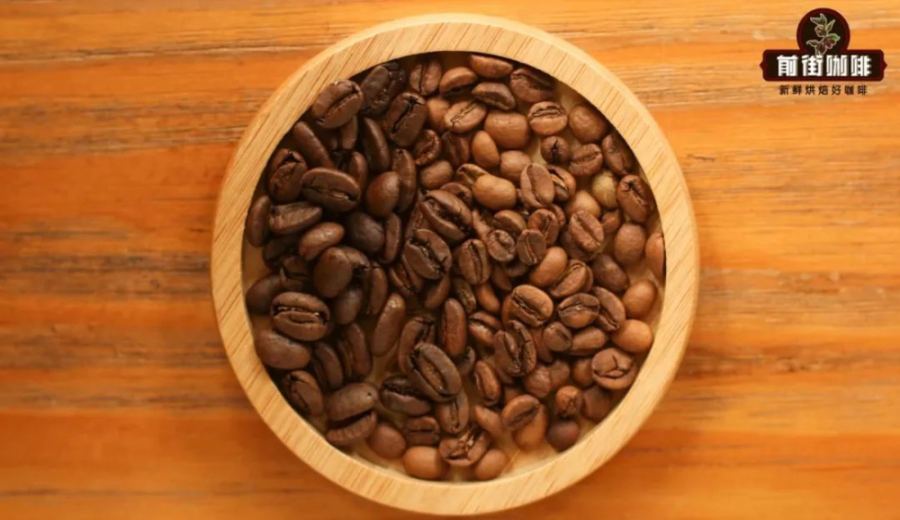
Introduction:Want to make a balanced single-origin espresso (SOE) with light-roast beans? This article delves into extraction parameter settings, grind size adjustments, and methods to improve three common flavor issues. From basic brew ratios and time control to specific solutions for sourness, bitterness, and lack of crema, it provides practical guidance to help you master the extraction techniques for light-roast SOEs.
Making an SOE espresso with light-roast beans is one of the more challenging tasks in espresso brewing. Through practical experience sharing, this article details how to set extraction parameters, adjust grind settings according to roast level, and offers systematic troubleshooting and adjustment strategies for common issues such as overly acidic taste, over-extracted bitterness, and thin crema. The core idea is: light-roast SOEs require higher extraction efficiency.A brew ratio of 1:2 and an extraction time of 30–35 secondsis a common starting point, but the final flavor still depends on tasting judgment—fine-tuning grind size and extracted liquid volume is the key.
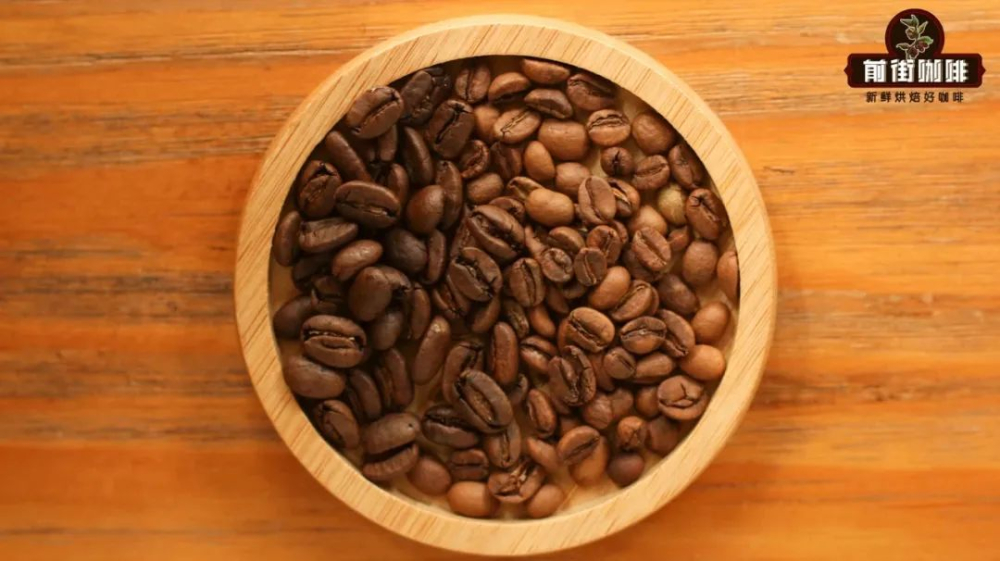
How to plan an extraction strategy? It’s generally recommended to start by referring to the basic logic of espresso brewing and draft a foundational formula that includes the amount of coffee grounds (in grams), extraction time (in seconds), and yield (in grams). Once the framework is established, prioritize determining the appropriate grind size—this has a significant impact on the extraction result. Note that the formula is only used to narrow down the adjustment range; the final flavor must still be verified through actual tasting.
The SOE extraction parameters I commonly use area brew ratio of 1:2, with an extraction time of 30–35 seconds, which is about 5 seconds longer than traditional espresso. This is mainly because light-roast beans require more time to achieve higher extraction efficiency. The amount of coffee grounds depends on the capacity of the portafilter basket. Additionally, at the same weight, light-roast coffee grounds are usually slightly less voluminous than dark-roast ones. As long as the coffee doesn’t exceed the basket’s fill line, even slightly exceeding the recommended dosage is fine.

If your grinder is typically used for dark-roast beans, when switching to light-roast beans, the grind setting usually needs to be adjusted 3–5 notches finer. This increases the surface area of the coffee grounds, improving extraction efficiency. If you continue using the original grind setting, the larger gaps between particles will cause the hot water to pass through too quickly, resulting in under-extraction.
Once the extraction time falls within the target range, proceed to evaluate the coffee’s performance through tasting. If flavor issues arise, they can be adjusted as follows:
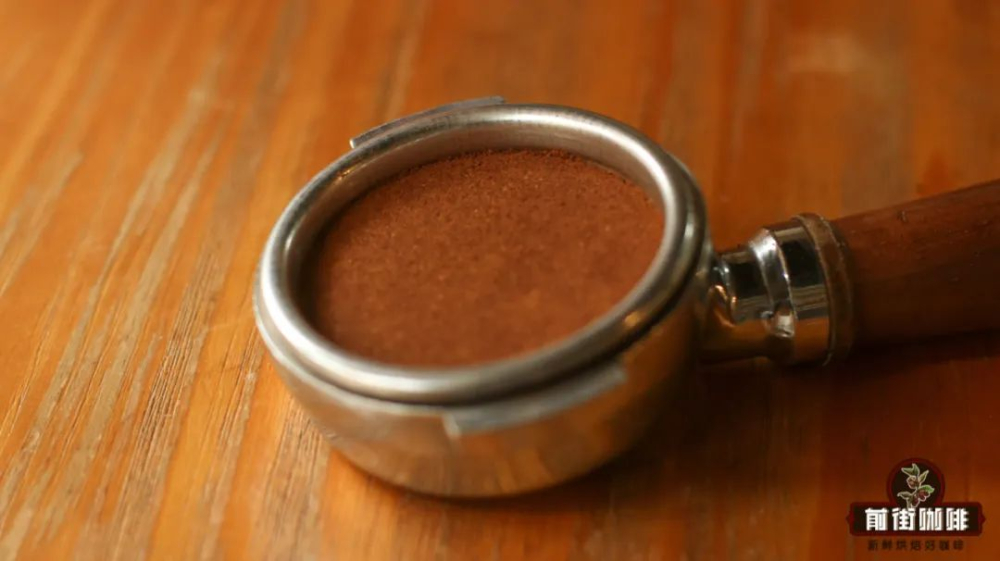
Common issue 1: The coffee tastes overly sharp and lacks aftertaste. This is often due to under-extraction, where sweet and bitter compounds are not fully extracted, amplifying the acidity. First, observe the flow rate—normal espresso starts flowing after about 7–8 seconds. If the coffee begins flowing at 4–5 seconds, it’s usually due to the grind being too coarse, leading to inefficient extraction. Adjust by making the grind finer. If the flow rate is normal but the flavor is still unsatisfactory, you can moderately extend the extraction time and increase the yield by 5–10 ml (even if it exceeds the original formula), to fully extract a balanced flavor profile of acidity, sweetness, and bitterness.
Common issue 2: The coffee tastes burnt and bitter. This is a typical sign of over-extraction. Initially, try reducing the yield by 2–4 ml to avoid over-extracting. But if it’s still bitter after adjustment, the grind may be too fine. You can divide the 40 ml shot into three cups (about 13 ml each)—if all three cups exhibit unpleasant bitterness, the grind needs adjusting. If only some cups are bitter, simply reduce the yield.
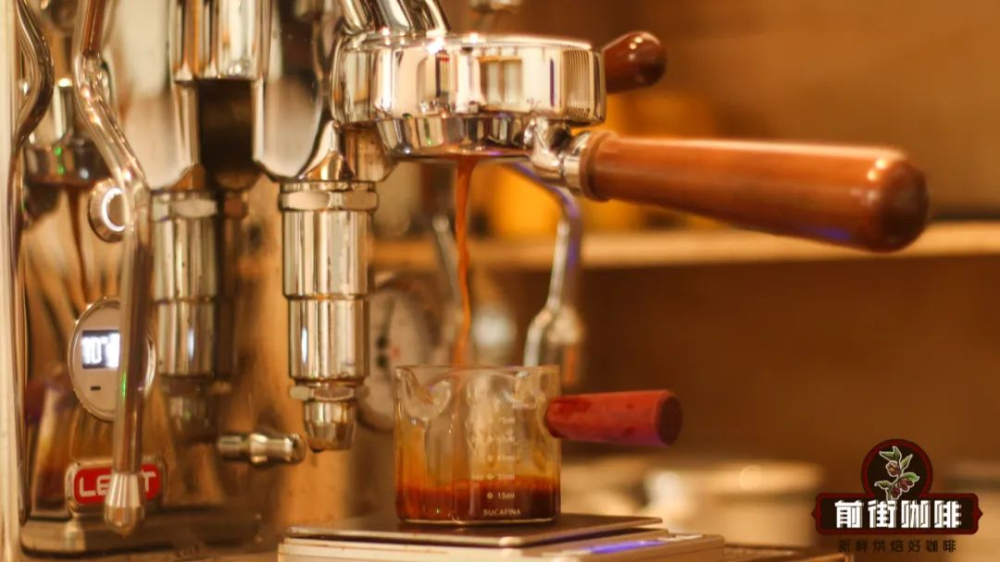
Common issue 3: The crema is thin or lacking. Fresh coffee beans usually produce good crema, but if the crema is too thin, it may be due to insufficient extraction efficiency caused by inadequate grind size, preventing effective release and compression of CO₂. Check the grind settings and make appropriate adjustments.
In summary, the principles behind making an SOE espresso are not fundamentally different from those for traditional dark-roast espresso. As long as you understand the extraction principles and know the causes of undesirable flavors, you can achieve a well-balanced, high-quality SOE through precise adjustments to grind size and parameters.
The above content is compiled by CoffeeHunters, a coffee news website.


