







Introduction:McDonald's promotes freshly ground coffee through its ¥15 breakfast combo, attracting consumers seeking high cost-performance beverages. However, recent customer tests have revealed that some outlets use pre-ground coffee powder, and the cancellation of dedicated barista positions has led to inconsistent brewing standards. This article dissects the differences between pre-ground and freshly ground coffee, explores the challenges of operating semi-automatic coffee machines, and provides practical tips for identifying quality, helping you avoid pitfalls.
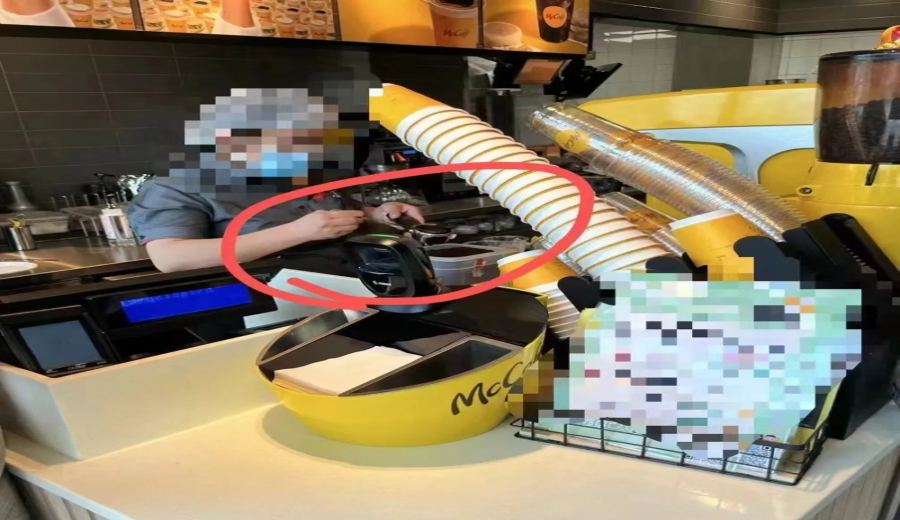
McDonald's ¥15 freshly ground coffee breakfast combo, with its affordable price, has quickly become a go-to pick-me-up for commuters. Yet, recent on-site observations by consumers found that some outlets scoop pre-ground coffee powder stored without a seal and brew it using a semi-automatic machine, a stark contrast to the "freshly ground" process officially promoted. This practice not only affects flavor stability but also raises questions about quality control.
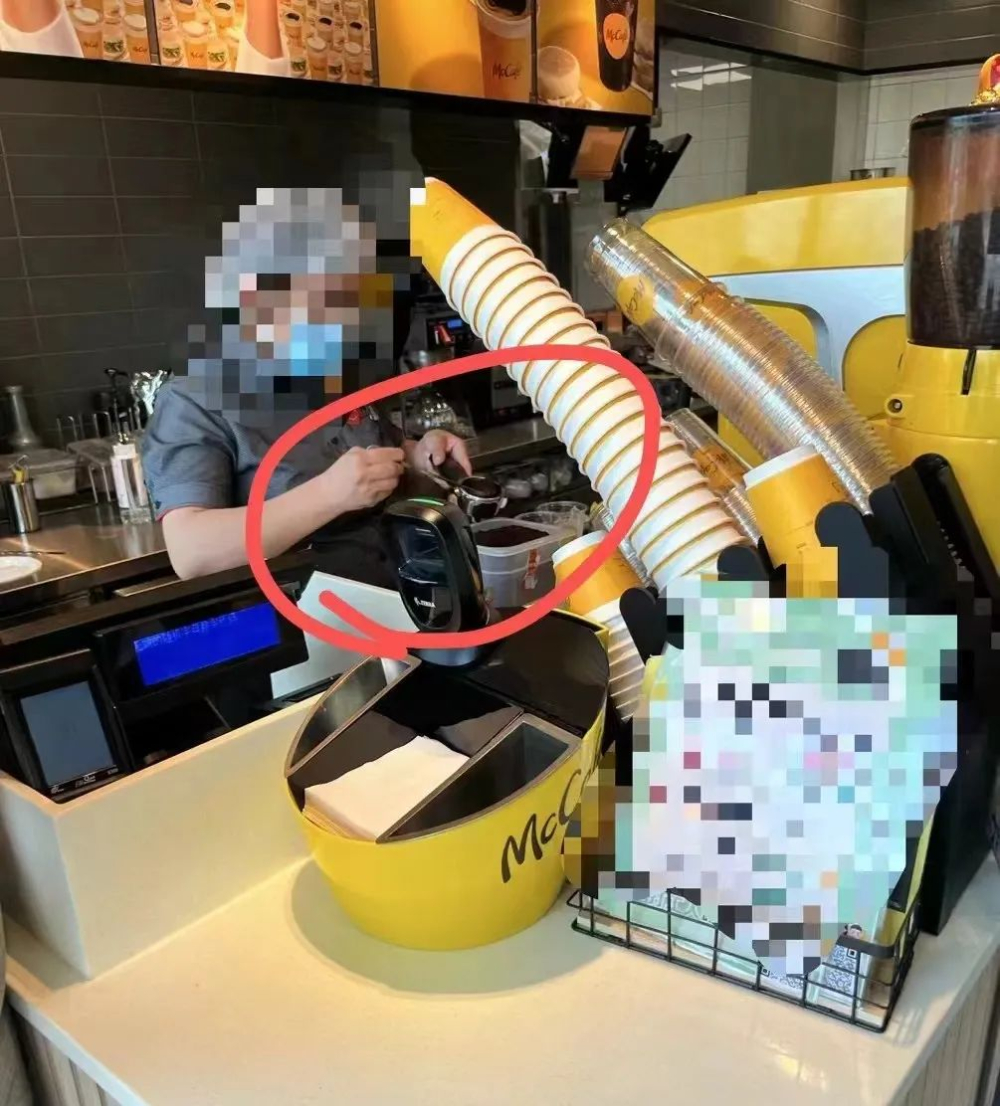
According to eyewitness accounts, staff took pre-ground coffee from an uncovered plastic container, placed it in the filter holder, and brewed it directly—no fresh grinding was observed. Notably, the same customer encountered this issue twice at different times of the day at the same outlet, indicating it wasn’t due to random equipment failure. Professional baristas point out that pre-ground coffee begins to oxidize within 15 minutes of exposure to air, leading to aroma loss and increased bitterness, resulting in a noticeably less vibrant taste compared to freshly ground coffee.
In recent years, McDonald's has adjusted its staffing at outlets, eliminating dedicated barista roles and having all employees take turns operating the coffee equipment. Although the company emphasizes comprehensive training, practical execution faces challenges—some employees report that parameters like tamping pressure and brewing time on semi-automatic machines require long-term practice. Beginners often struggle with uneven coffee dosing or inaccurate water temperature control. Internal data shows that standard Americano brewing time should be 20–30 seconds, with a recommended coffee-to-water ratio of 1:15 to 1:18, but non-specialized staff often find it hard to master these precisely.
Industry insiders analyze that the use of pre-ground coffee may stem from three practical factors: the time-consuming cleaning of grinders, the pressure to maintain serving efficiency during peak hours, and the consideration of utilizing leftover coffee grounds. However, according to SCA (Specialty Coffee Association) standards, freshly ground coffee must be used, and the interval between grinding and brewing should not exceed 4 minutes. Observations show that some outlets store pre-ground coffee in containers without moisture-proof features, further increasing the risk of flavor degradation.
For consumers, identifying freshly ground vs. pre-ground coffee can be approached through three key points: first, observe whether the brewing process includes on-site grinding; second, note whether the coffee aroma exhibits bright fruity or floral notes (pre-ground coffee often carries a dull scent); third, check the latte art quality—consistent output usually reflects better operational training. If you notice persistent quality inconsistencies, it’s advisable to provide feedback to official customer service channels with specific outlet details.
Experts recommend that consumers seeking consistent quality prioritize outlets labeled as having "dedicated baristas" or those using fully automatic brewing systems. Also, pay attention to how long the beverage has been sitting—the optimal flavor window for freshly ground coffee is around 10–15 minutes after brewing. For budget-conscious customers, consider visiting during off-peak hours when staff pressure is lower, making quality control easier to maintain.
The above content is compiled by CoffeeHunters, a coffee news website.


