







Introduction:After Starbucks withdrew from the Russian market, its iconic green mermaid logo faced legal challenges in the country. The local chain "Stars Coffee," which took over the assets, recently applied to the court to terminate the protection of the original trademark, involving complex issues such as cross-border brand rights and the extension of trademark validity periods. This article analyzes the full picture of the incident, explores the risk boundaries of similar trademarks, and provides intellectual property considerations for brand transitions.
The Russian market has in recent years become a focal point for international brands adjusting their layouts. After Starbucks announced the suspension of its local operations and the sale of its assets in 2022, the protection status of its most representative trademark became uncertain. The Russian outlets of Starbucks, acquired by local catering group Pinskiy&Co founder Anton Pinsky and entertainer Timati, have recently sought a breakthrough through legal means—filing a claim with the Russian Intellectual Property Court to request the termination of the exclusive rights of the U.S. parent company’s trademark.
The core of this application targets seven trademarks registered between 2003 and 2014, covering both image and word combinations, particularly including those in the food and beverage service category (such as cafés and buffets). Notably, although Starbucks has exited the market, according to current records in the Russian courts, the exclusive right validity period of its trademarks has been automatically extended to 2033, creating a unique legal loophole.
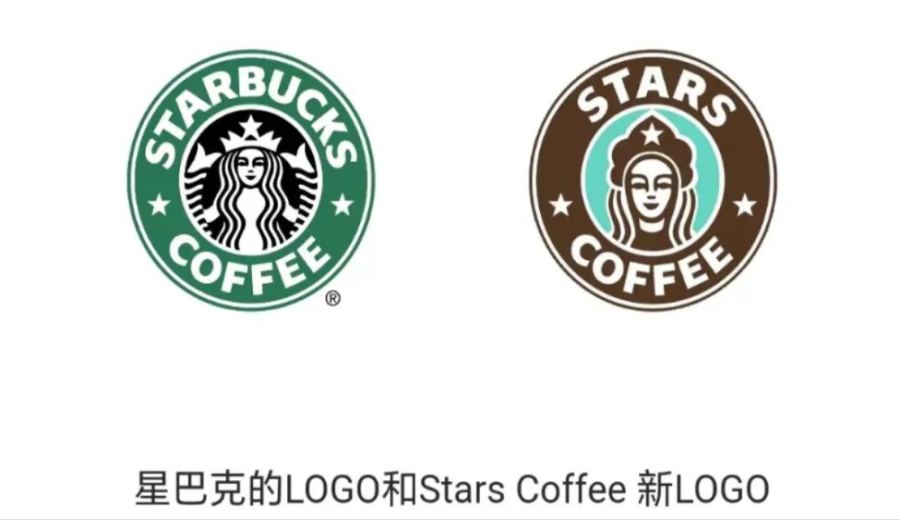
The acquirer purchased Starbucks’ physical assets in Russia in 2022 for approximately 500 million rubles (equivalent to 6 million USD), including equipment and store premises, but did not include the core brand elements of the trademark rights and formula technologies.The rebranded entity is named "Stars Coffee (Stats Coffee)," and while its visual identity system retains the green background and the silhouette of the mermaid, it replaces the human figure with that of a woman wearing the traditional Russian kokoshnik headdress.This design was once solicited for public opinion via social media, with the goal of maintaining a familiar atmosphere for consumers.
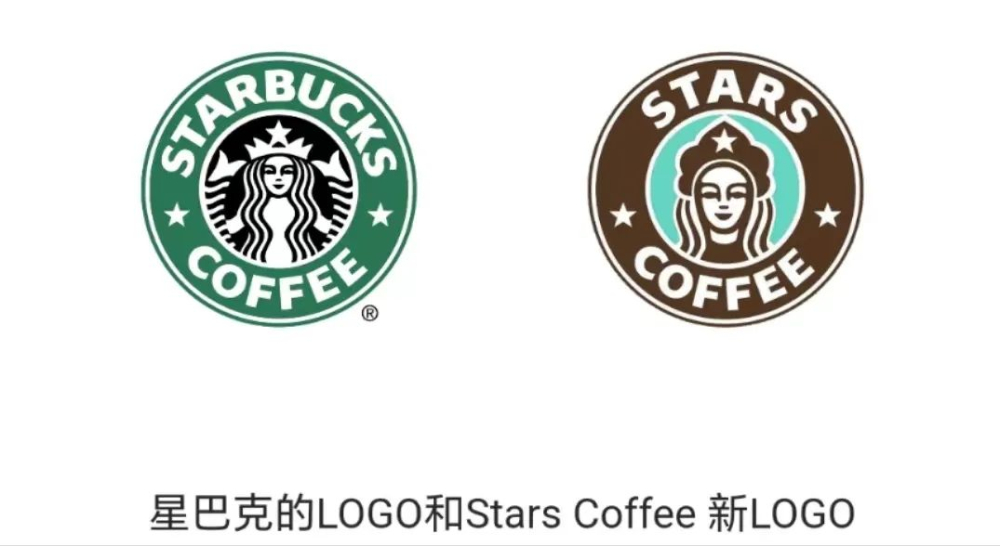
Although the new brand bears a high degree of similarity to the old logo, it did not initially trigger large-scale consumer backlash. Instead, it gained market acceptance by retaining the product taste and service process. However, as the expansion plan progressed, potential trademark infringement risks gradually emerged—if the legal status of the original trademark is not resolved, future litigation and compensation pressures may arise.
The strategic considerations behind this legal action are evident:The plaintiff hopes to obtain a court ruling to terminate the protection status of the U.S. Starbucks trademark in Russia, thereby clearing obstacles for its own brand’s expansion.Industry analysis points out that Russia has not yet enacted new regulations regarding the judgment of trademark similarity during the war period, leaving a lack of clear criteria for assessing imitation risks. This move can be seen as part of proactive risk management.
From a practical perspective, three key points need special attention during brand transitions: first, even if physical assets are acquired, trademark authorization or transfer procedures must still be handled independently; second, differences in the regional validity periods of cross-border brand protections may create enforcement loopholes; and third, the boundary of what constitutes a "reasonable homage" in visual design must be judged based on local judicial practice—simply replacing cultural symbols may not entirely avoid disputes.
The case is still under court review, and its outcome will not only affect the future development of "Stars Coffee" but also serve as an important reference for other brand takeover cases in different regions.
The above content is compiled by CoffeeHunters, a coffee news website.


