







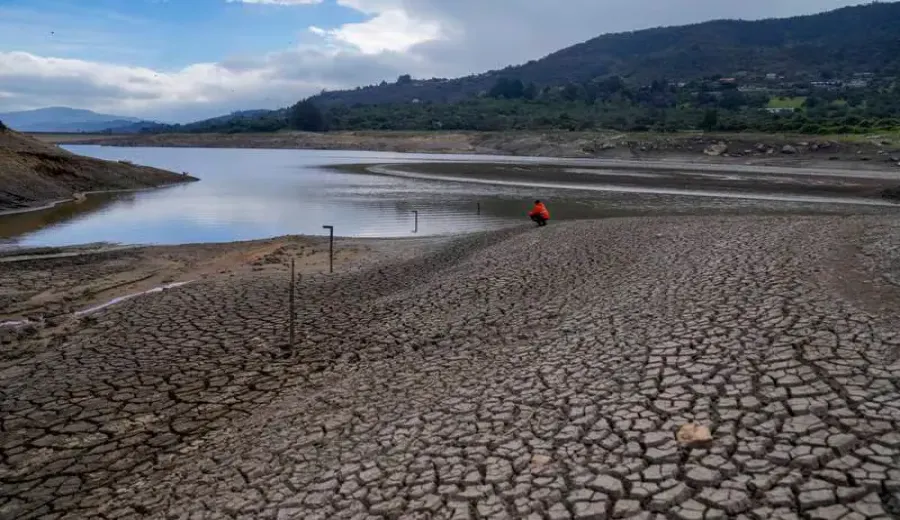
Introduction:The El Niño phenomenon has plunged Colombia into severe drought, with the country’s reservoir water storage rate falling below 30%. Coffee cultivation is facing unprecedented challenges. This article delves into the dual impact of drought on water resources and the coffee industry, explores the potential effects of subsequent extreme rainfall brought by La Niña, and provides practical coping strategies that farmers can adopt.
Since the beginning of the year, Colombia has been hit hard by intense El Niño conditions, with the drought continuing to worsen, prompting the nation to officially declare a state of natural disaster. By April, the dry spell persisted, causing the average water storage level in the country’s reservoirs to plummet tojust 29.96%, nearing the critical alert threshold of 27%. This not only severely affects domestic water supply but also poses a threat to power generation.
Although Colombia boasts abundant freshwater resources, it has long suffered from low agricultural water efficiency and serious leakage in its water pipeline network. Statistics show thatover 70% of the country’s water usage is concentrated on irrigation for crops such as coffee, bananas, and flowers, leading to an extremely imbalanced distribution of water resources. The capital city, Bogotá, has already implemented water rationing measures, and the government does not rule out the possibility of expanding nationwide water supply rationing in the future.
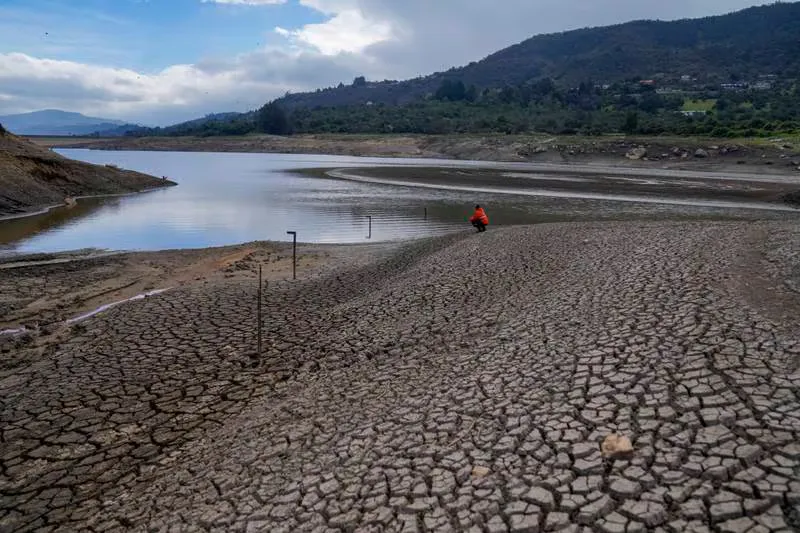
In fact, the period from December to February each year is traditionally the dry season in Colombia, but this year, under the influence of El Niño, the drought has intensified significantly. As early as January, local media reported the severity of the drought, and President Pedro declared a national state of disaster on January 24 to address the crisis.
Entering April, the situation did not improve but continued to worsen. Water storage levels in many reservoirs across the country have kept declining, affecting both water supply and hydropower generation. The well-known energy company EPM publicly stated that it had reduced water supply in the Santander and Antioquia regions. The latest national reservoir water level monitoring report released by the Colombian government shows that the overall storage rate has dropped to less than30%of normal levels, just a step away from the critical limit of 27%.
Experts point out that although Colombia is the country with the richest water resources in Latin America, it is also one of the regions with the most severe water waste, particularly in the field of agricultural irrigation. According to data from the National Planning Department (DNP), nearly 4 liters of every 10 liters of supplied water is lost due to pipeline leakage, illegal connections, or inaccurate metering. Coupled with issues such as water pollution and deforestation, the water resource crisis has become even more severe.
Notably, the Chingaza reservoir system in central Colombia currently has an effective water storage capacity of only45.27%, severely limiting water supply in the region. Agricultural experts are calling for industries, including coffee and bananas, to accelerate the adoption of water-saving irrigation technologies to improve water use efficiency.
The good news is that, according to forecasts from Colombia’s Ministry of Environment and the Institute of Hydrology, Meteorology and Environmental Studies (IDEAM), the rainy season is expected to arrive in mid-to-late April, which is projected to alleviate some of the drought conditions. However, industry insiders warn that the rainy season may soon be followed by the arrival of La Niña, bringing the dual challenges of heavy rainfall and low temperatures. This climate reversal could adversely affect the coffee growth cycle, potentially leading to issues such as disease outbreaks and stunted growth.
Operators in coffee-growing regions suggest that, in the face of the upcoming dramatic climate changes, farmers in these areas should take preventive measures early, including improving field drainage systems and strengthening cold protection preparations, to ensure the stability of coffee bean quality and unaffected yields. Particularly in high-altitude planting areas, close attention should be paid to the impact of temperature fluctuations on the ripening of coffee cherries.
The above content is compiled by CoffeeHunters, a coffee news website.


