







Introduction:Global coffee market volatility has intensified recently, with Robusta futures prices briefly surging to $3,975 per ton—just a hair’s breadth away from the $4,000 mark. From drought threats in Brazil and Vietnam, to potential disasters brought on by La Niña weather patterns, coupled with geopolitical risks, how are these factors collectively driving up coffee prices? This article will delve into the underlying reasons, providing key data and market trends to help readers grasp the latest developments in the coffee market.
The global coffee market is experiencing a new wave of price fluctuations, with Robusta coffee futures rising again after a brief pullback.The July 2024 contract once touched $3,975 per ton, coming just inches away from the psychological barrier of $4,000. Behind this rally, in addition to the ongoing drought challenges faced by Brazil and Vietnam—the two major producing regions—the potential threat of La Niña weather has also caused significant market anxiety, while the geopolitical tensions between Israel and Iran have further increased uncertainty in transportation costs.
Local traders in Vietnam, in an effort to secure inventory, are accelerating their coffee bean purchases, causing purchase pricesto soar above 110 million Vietnamese dong per ton. Meanwhile, the spot price of Brazilian Robusta has alsosurpassed 1,025 Brazilian reais per bag (60 kg) for the first time, which translates to over 1,000 reais per ton. With multiple factors compounding, coffee prices may remain under pressure in the short term.
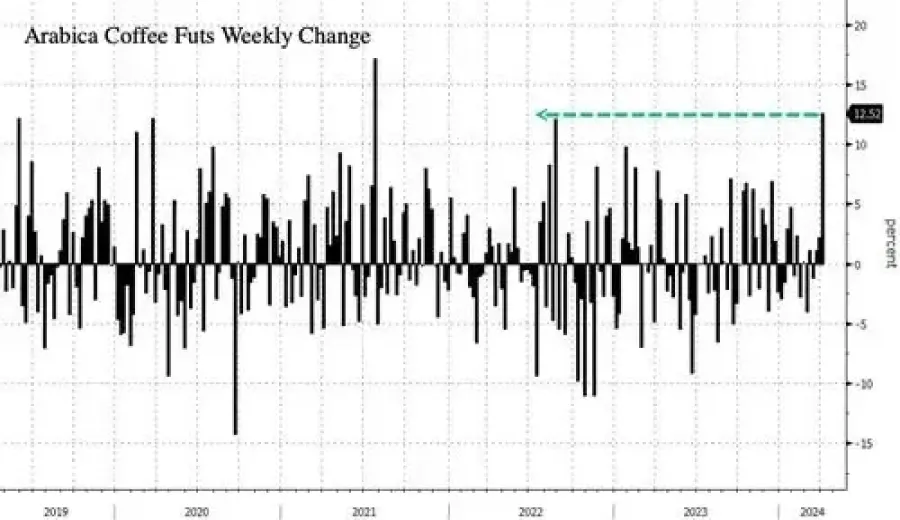
In fact, this rally did not come out of nowhere. Previously, both Arabica and Robusta coffee futures had already seen significant increases, withArabica futures prices rising by 12.5%, hitting their highest level since October 2022. Although prices dipped slightly a few days ago, they quickly regained upward momentum, and currentlyArabica coffee prices have reached an 18-month high of 226.85 US cents per pound, while Robusta futures have also hit all-time highs,with the July 2024 pre-sale contract reaching a peak of $3,975 per ton, though it later pulled back slightly, closing at $3,949—a 2.52% increase.
The main reasons behind this price surge are, on one hand, instability in the logistics chain, and on the other, extreme drought conditions affecting the world’s two largest coffee-producing countries—Brazil and Vietnam. The current global coffee supply is tightening, and inventory levels are relatively low, further exacerbating market unease.
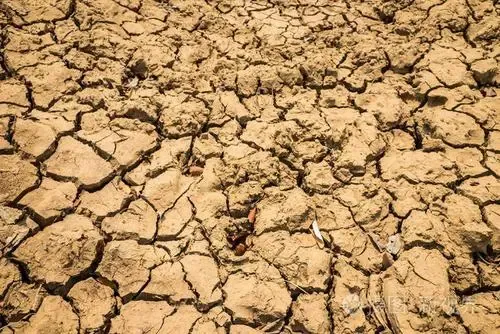
According to data from the Vietnam Coffee and Cocoa Association, Vietnam is still being impacted by drought and high temperatures, with local temperatures averaging 1 to 3 degrees Celsius higher than last year, leading to dual challenges of water shortages and deteriorating soil conditions for coffee cultivation. Experts predict that Vietnam’s coffee output this year may decrease by about 20%compared to last year’s 1.84 million tons, and export volumes may also drop by 20%recorded in the same period last year.from the 1.67 million tons
In addition, data from institutions such as the U.S. government’s Climate Prediction Center show that after the El Niño phenomenon, there is roughly a 60% chance of La Niña occurring in the second half of this year (especially in August). La Niña typically intensifies convection activity in Southeast Asia, leading to abnormal rainfall patterns, which could not only trigger floods but also affect coffee growth and harvesting.
The situation in Brazil is equally concerning. The country’s primary Robusta coffee-producing regions saw cumulative rainfall in 2023 at its lowest level in a decade. Although rainfall stabilized somewhat at the beginning of 2024, it was still insufficient to make up for the losses caused by the previous drought. More worryingly, the upcoming La Niña weather may result in reduced rainfall and lower temperatures in Brazil’s southeastern regions, while the northeastern areas may face increased rainfall and higher humidity. In particular, cold weather could bring frost, causing serious damage to coffee trees and thereby impacting production for the current or even future seasons.
Notably, Vietnam’s coffee harvest season generally falls between October and January of the following year. If La Niña occurs as expected, the output of the new season could be severely affected. As a result, local traders in Vietnam are actively expanding their purchasing efforts to ensure adequate inventory, thereby driving up purchase prices to110–113 million Vietnamese dong per ton. At the same time, traders in Brazil are also stepping up their procurement of Robusta coffee beans, pushing domestic spot prices to new highs.
Beyond climate factors, geopolitical risks are also a potential key driver behind rising coffee prices. On the evening of April 13, 2024, Iran launched dozens of missiles and drones at Israeli targets. Although Israeli officials stated they do not seek all-out war with Iran, they emphasized the need to respond to such attacks. As Iran is one of the world’s major oil producers and the Middle East is a core source of global oil supply, markets are generally concerned that if the conflict escalates and leads to further oil sanctions against Iran, it could trigger a global spike in oil prices, thereby affecting transportation costs. For the coffee trade, which relies heavily on rail and sea transport, rising freight costs are bound to further push up the final price of coffee.
The above content is compiled by CoffeeHunters, a coffee news website.


