







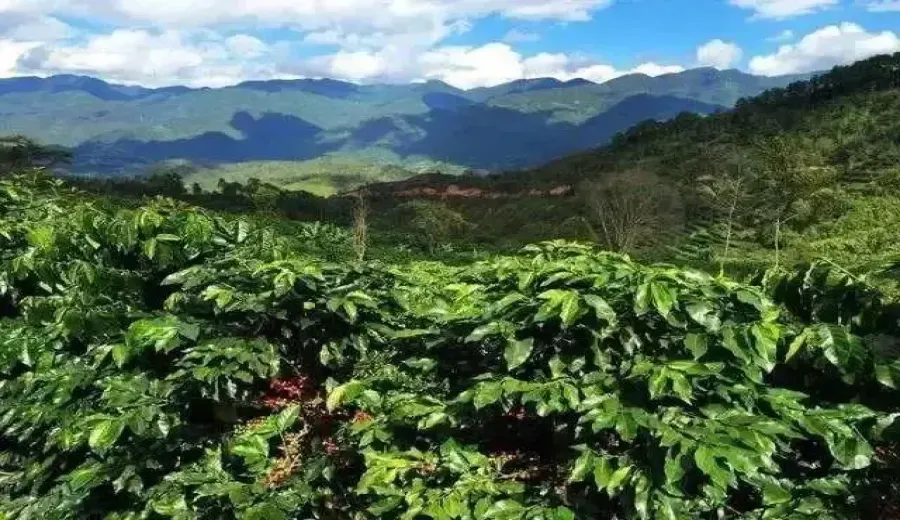
Introduction:Dive deep into the Geisha coffee from the Hartmann Estate in Panama's Volcán-Candela region. Explore everything from the microclimate of the growing area and the estate’s history of sustainable farming, to the origins and characteristics of the Geisha variety. We’ll break down the flavor profile and optimal pour over recommendations for this medium-light roasted, anaerobic natural processed coffee—helping you grasp the essence of this top-tier brew.
Panamanian coffee has gained global recognition in the specialty market largely thanks to the Geisha variety. Among the country’s regions, Volcán-Candela has emerged as a rising star, achieving remarkable results in the Best of Panama (BOP) competition in recent years. Nestled on the western foothills of the Barú Volcano, the Hartmann Estate is not only a pioneer of the Volcán region but also renowned for its sustainability philosophy centered around coexisting with pristine forests. The estate’s Geisha coffee, processed via anaerobic natural fermentation and medium-light roasted, showcases unique floral and fruity notes along with a silky mouthfeel—making it a dream coffee for many enthusiasts.
Panama is located at the southern tip of Central America, bordered by the Caribbean Sea to the east, the Pacific Ocean to the west, and neighboring Costa Rica to the north and Colombia to the south. The country is predominantly mountainous, with the Central Mountain Range extending across the entire territory, creating a diverse range of microclimates. Especially in areas above 6,500 feet, influenced by cool mountain air and volcanic soil, conditions are ideal for growing specialty-grade coffee. The local climate is tropical maritime, with an average annual temperature of around 23–27°C, distinct wet and dry seasons, and annual rainfall between 1,500–2,500 mm—providing a stable environment for coffee trees.
Panama’s coffee-growing regions can be divided into three main zones: the well-known Boquete and Renacimiento, as well as the recently prominent Volcán-Candela. These regions all surround the Barú, El Valle, and La Yeguada volcanoes. Volcán-Candela lies on the western side of the Barú Volcano, at elevations of approximately 1,200–1,600 meters. Although its rainfall is slightly lower than that of Boquete, its fertile volcanic soil and high altitude still nurture many high-quality coffees. This region now hosts several renowned estates, including 90+ Geisha, Aurora Estate, and the Hartmann Estate.
The Hartmann Estate is located on the western side of the Barú Volcano, spanning elevations from 1,500 to 2,300 meters. Since its establishment in 1912 by Czech immigrant Alois Strasil Hartmann, the estate has upheld a philosophy that values both coffee cultivation and the preservation of pristine forests. This spirit of sustainability has been carried on by the second generation, Hartmann Troetsch, and remains deeply rooted in the mindset of the third-generation owners. To this day, only about 20% of the estate’s land is used for coffee cultivation, with the rest preserved as virgin forest—making it a haven for various bird species, with the toucan even becoming the estate’s iconic symbol. In 2013, the estate expanded further by acquiring the Guaguacu Estate to the north and is now managed by five family members, each overseeing different operational aspects.
The estate grows a diverse range of coffee varieties, including Typica, Caturra, Catuai, Bourbon, Pacamara, Maragogype, and most notably, Geisha. The Geisha variety was first discovered in Ethiopia in the 1930s, later traveling through Tanzania and Costa Rica, before finally being introduced to Panama in 1970. Initially overlooked due to its delicate plants and low yield, it wasn’t widely cultivated until the rise of the specialty coffee era, when its distinctive floral aromas and complex flavor layers gained attention. In 2005, the Hacienda Esmeralda entered Geisha into the BOP competition, where it gained instant fame for its outstanding cupping scores and captivating notes of floral, citrus, and tropical fruit.
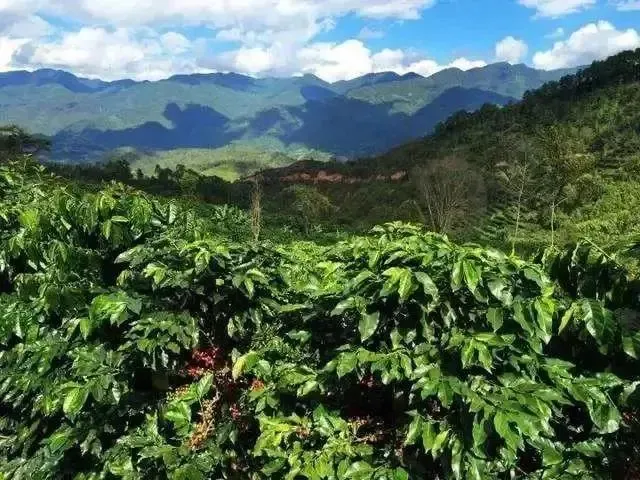
Geisha thrives in high-altitude environments above 1,600 meters, with flavor often improving at higher elevations. The variety features long, narrow leaves that are relatively thin, with new shoots appearing green or bronze-tipped. Branches are slender and widely spaced. Coffee cherries are typically red or yellow, while the green beans often exhibit a pointed shape. The tree grows tall but is relatively fragile. Though it has a certain level of resistance to coffee leaf rust, it is susceptible to nematodes and coffee berry disease, requiring meticulous field management.
The Hartmann Estate Geisha introduced by a certain coffee brand is processed using an anaerobic natural method and medium-light roasted, perfectly highlighting the refined flavors of this variety. It is recommended to use a V60 dripper, with a 1:15 coffee-to-water ratio and a water temperature of 92°C for pour over brewing. This method effectively extracts complex fruity acidity notes such as white floral, bergamot, pineapple, and blueberry. When sipped, you can enjoy a silky mouthfeel as delicate as Earl Grey tea, with a long and gentle sweet finish—making it an excellent entry point into high-quality Geisha.
Whether you’re trying Geisha for the first time or seeking a new pour over challenge, understanding the region’s background, the variety’s traits, and the processing methods will allow you to more accurately dial in your brewing parameters and extract the most captivating flavor profile of the coffee.
The above content is compiled by CoffeeHunters, a coffee news website.


