








Introduction:Dark roast coffee is often misunderstood as merely a bitter beverage, but in reality, it harbors complex aromas reminiscent of caramel, nuts, and chocolate, along with layers of rich, smooth flavors. This article will delve into the unique flavor origins of dark roast coffee, analyze how the "first crack" during roasting affects the balance between acidity and bitterness, and explain why certain bean varieties can shine even more through dark roasting. Understanding these aspects will allow you to rediscover the allure of dark roast.
When it comes to coffee, many people first think of the floral notes, fruity acidity, and vibrant complexity brought by light roasts. In contrast, dark roast is often labeled as "bitter, harsh, and heavy." However, the charm of dark roast goes far beyond just bitterness—its unique caramel sweetness, nutty aromas, and chocolate-like richness are flavor characteristics that light roast struggles to match. This article will take you through the principles of roasting to understand the personality and essence of dark roast coffee.
Light roast coffee excels with its bright and refreshing tone, often exuding diverse floral and fruity aromas, and feels as smooth as juice with a distinct personality upon tasting. But for those not yet familiar with coffee flavors, the intense mouthfeel of dark roast coffee may feel as strong as traditional Cantonese herbal tea upon first try, making it less approachable. Thus, a common question arises: what exactly are those who prefer dark roast savoring?
To unravel this mystery, we must first understand the source of coffee’s bitterness. In fact, coffee bitterness is not a single taste, but the combined result of various compounds during the roasting process. The most critical turning point is the "first crack" stage during roasting. The so-called "first crack" refers to the moment when, as the coffee bean is heated, internal moisture evaporation and pressure buildup cause the bean to crack and release heat and gases, producing a distinct "pop" sound.

The appearance of the first crack indicates that the coffee bean has reached a basic level of roasting maturity. If the beans are dropped right at the start of the first crack, the coffee usually retains abundant fruit acids and fresh flavors, making it suitable for those who prefer a bright taste profile. However, if the roasting time is extended and the beans undergo longer high-temperature treatment, the acidity gradually weakens, giving way to increasingly pronounced roasted bitterness and deep aromas. Especially after the first crack ends and enters the so-called "quiescent period," the acidity almost completely fades, while bitterness and sweetness become more evident.
Many people prefer light roast coffee with fruity acidity precisely because of its rich and varied flavor profile. However, not every coffee bean variety is suited for light roasting. Some beans are naturally too sharp in acidity or carry unpleasant off-flavors, which can be more prominently highlighted with a light roast. In such cases, the heat of a dark roast can effectively neutralize excessive acidity while bringing out the beans’ underlying sweetness and rich base, resulting in a more balanced overall flavor.
Of course, the charm of dark roast is by no means limited to "masking" flaws. In fact, dark roast itself possesses a unique sensory language. Coffee beans roasted for a long time often emit sweet, caramel-like aromas, the warmth of nuts, and the deep, intense essence of chocolate. Compared to the lively brightness of light roast, these aroma layers appear more composed and profound, offering an irresistible appeal to those who enjoy deeper flavor profiles.
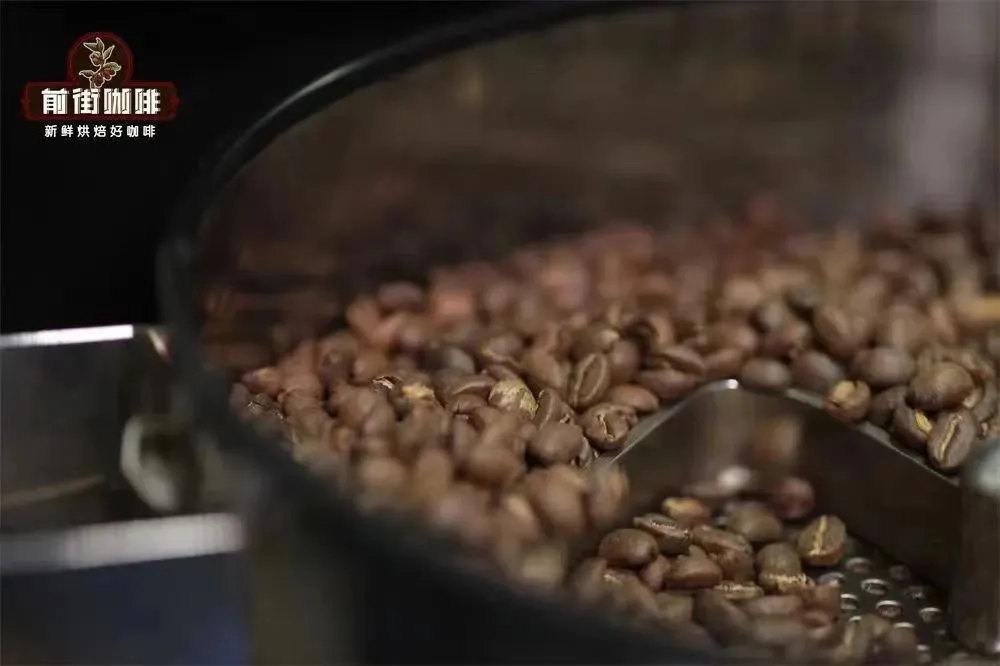
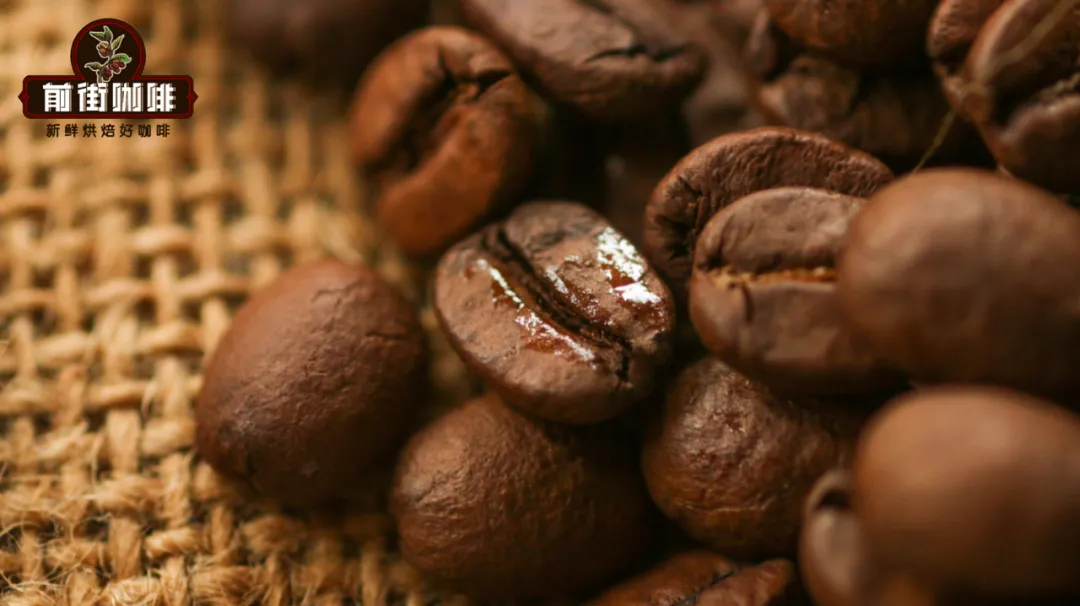
Beyond aroma, the mouthfeel of dark roast coffee also differs greatly from that of light roast. As the roasting process forces oils within the beans to the surface, dark roast coffee tends to present a thicker, more velvety texture after brewing, feeling smooth and leaving a long-lasting aftertaste. This richness is a trait that most light roast coffees struggle to exhibit, and it is one of the reasons many coffee enthusiasts are drawn to dark roast.
In summary, the bitterness of dark roast coffee is not monotonous or dull, but rather forms a complete and layered flavor profile together with aroma, oils, and body. From mastering the timing of the first crack to selecting the degree of roast, each step influences the final character of the beverage. If you’ve ever doubted the value of dark roast coffee, take another look at the craftsmanship and aroma story behind it—you might just discover another world of coffee flavors.
The above content is compiled by CoffeeHunters, a coffee news website.


