








Introduction:Have you ever wondered why many professional baristas gently shake the server after pouring a pour over? This seemingly simple action is actually based on scientific principles. This article delves into the purpose of shaking hand poured coffee, reveals how it fundamentally differs from wine decanting, and explains why this method isn’t suitable for espresso. Through practical test data and extraction analysis, we’ll explore the practical value of this technique by looking at changes in concentration.
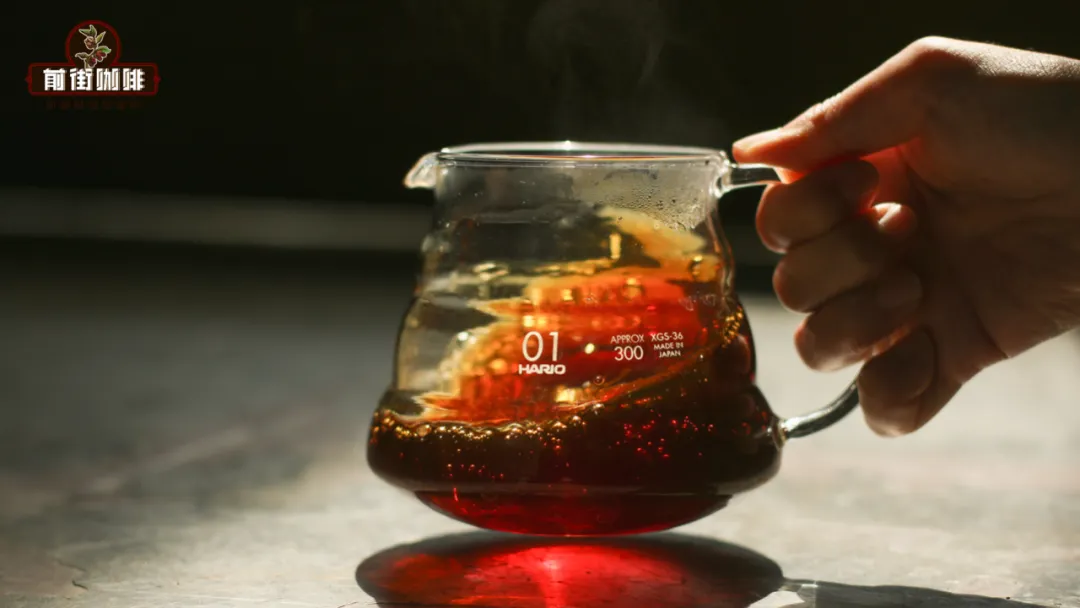
In specialty coffee shops, it’s common to see baristas gently shake the server up and down a few times after completing a pour over, before pouring the coffee into cups for serving. There’s actually quite a bit of science behind this action. Many coffee enthusiasts have wondered: why do this? Is it for aroma? Or taste? In fact, this step has a completely different purpose compared to wine decanting.
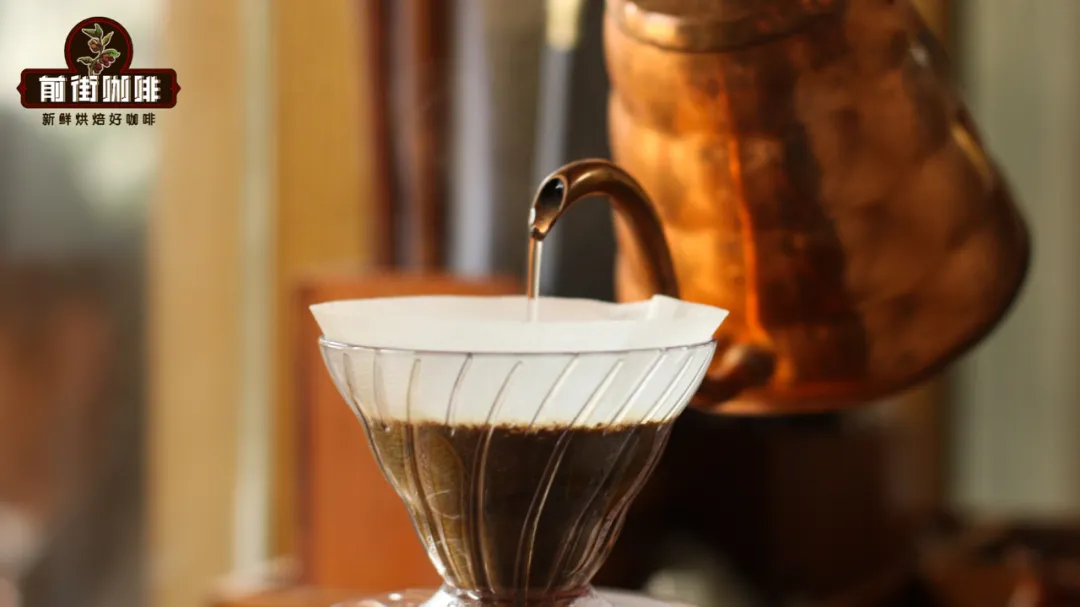
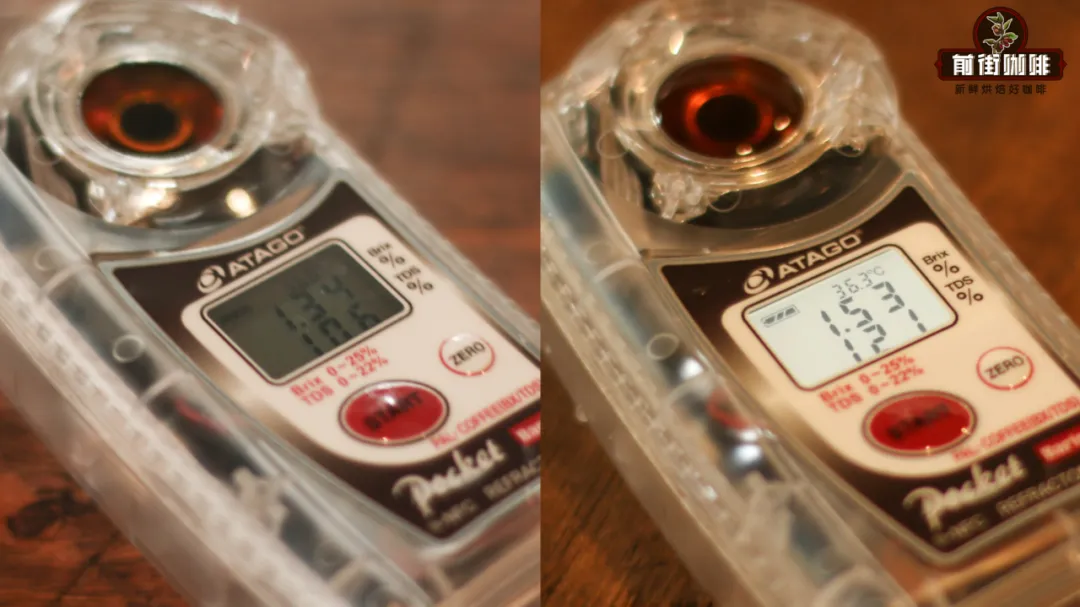
According to actual testing, if you don’t shake the coffee after pouring over and directly measure the concentration of the coffee liquid, there is a noticeable difference compared to the value after mixing. Taking a set of standard pour over parameters as an example: using 15 grams of coffee beans, EK43 grinder set to 10 clicks, a brew ratio of 1:15, water temperature at 92°C, and using the classic three-pour method with a V60 filter. Before shaking, the directly sampled coffee concentration is 1.09%; whereas after uniformly shaking the server and measuring again, the concentration rises to 1.21%, showing a significant numerical difference.
This result stems from the fact that the release of coffee substances during the pour over process is not linear or uniform. The experiment further breaks it down: using three separate cups to collect the dripping coffee liquid, each about 70 milliliters, it was observed that the first cup had the darkest color and the most intense flavor, the second cup was slightly less so, and the third cup was noticeably lighter. This indicates that the early stage of the pour over has a high extraction efficiency, releasing rich and concentrated substances, but as time goes on, the soluble substances in the coffee grounds decrease, and the later-stage extracted coffee liquid has relatively weaker flavor.

Precisely because the concentration of coffee liquid extracted at each stage varies, without shaking, these liquids of differing strengths remain stratified or locally clustered in the server. When poured out to drink directly, it can easily result in a contrast where the first few sips are strong and the later ones are weak. Moderate shaking effectively mixes these liquids of varying concentrations, making the overall flavor of the entire server more balanced and consistent, thereby enhancing the overall drinking experience.
However, it’s worth noting that this “shaking to mix” technique is not suitable for all types of coffee. For example,espressoandlattewith added milk, due to the obvious density differences in the liquid—especially the crema on top of espresso and the differing specific gravity of milk and coffee—simple shaking alone cannot achieve uniform mixing. These types of coffee usually requirestirringto ensure that every sip has a consistent flavor profile.
In short, the shaking action in pour over coffee is mainly to re-integrate coffee liquids that are extracted in segments and have uneven concentrations, achieving flavor balance—not like wine decanting, which focuses on oxygen contact to release aromas. Understanding this difference helps us make more appropriate handling choices during brewing and drinking, allowing us to further enjoy the diverse flavor layers of coffee.
The above content is compiled by CoffeeHunters, a coffee news website.


