







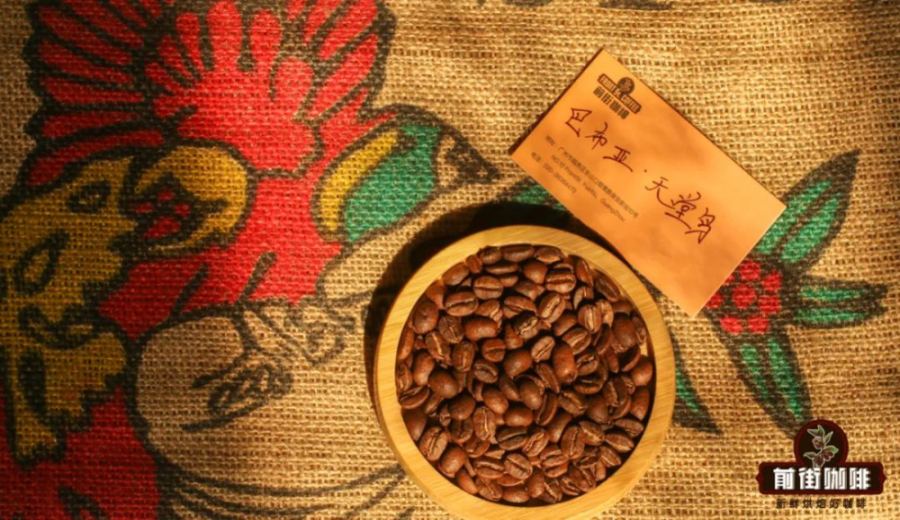
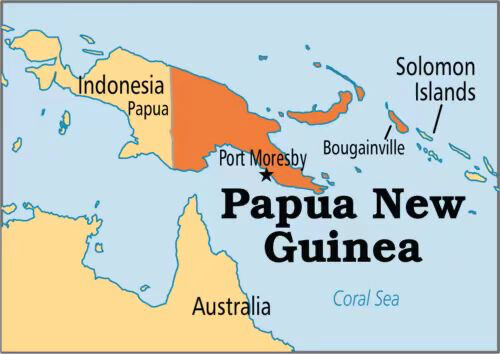
Introduction:Papua New Guinea coffee is often hailed as the "Little Blue Mountain," sharing many premium genetic traits with Jamaica Blue Mountain. This article delves into its varietal origins, growing environment, and unique flavor profile, analyzing how it rivals top Caribbean coffees, and provides practical pour over parameters and extraction tips to help you better understand this delicate, sweet-and-acidic balanced specialty bean.
In the world of specialty coffee, beans from Papua New Guinea (PNG), affectionately dubbed the "Little Blue Mountain" by enthusiasts, earn this nickname not just as a marketing term but for solid reasons—whether in varietal background, growing conditions, or the cup profile they deliver, PNG coffee shares striking similarities with Jamaica Blue Mountain. If you’re passionate about coffee quality and want to explore what makes these top-producing regions so renowned, this article will uncover those secrets.
First, the reason PNG coffee is called the "Little Blue Mountain" is directly related to its varietals. Many PNG coffees are grown using Typica or its derivatives—varietals similar to those used in Jamaica Blue Mountain. These varietals are extremely particular about their growing environment, yet capable of producing coffee with delicate flavors and rich layers. Moreover, both regions lie in similar latitude zones, feature high-altitude mountainous terrain, and enjoy moderate rainfall and temperature variations—all crucial factors for sugar accumulation and flavor development in coffee cherries.
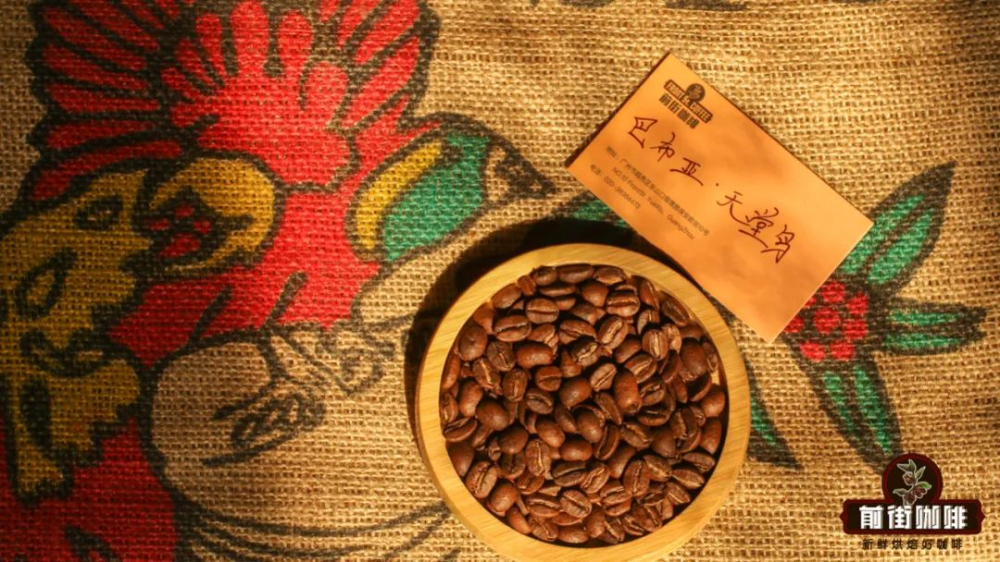
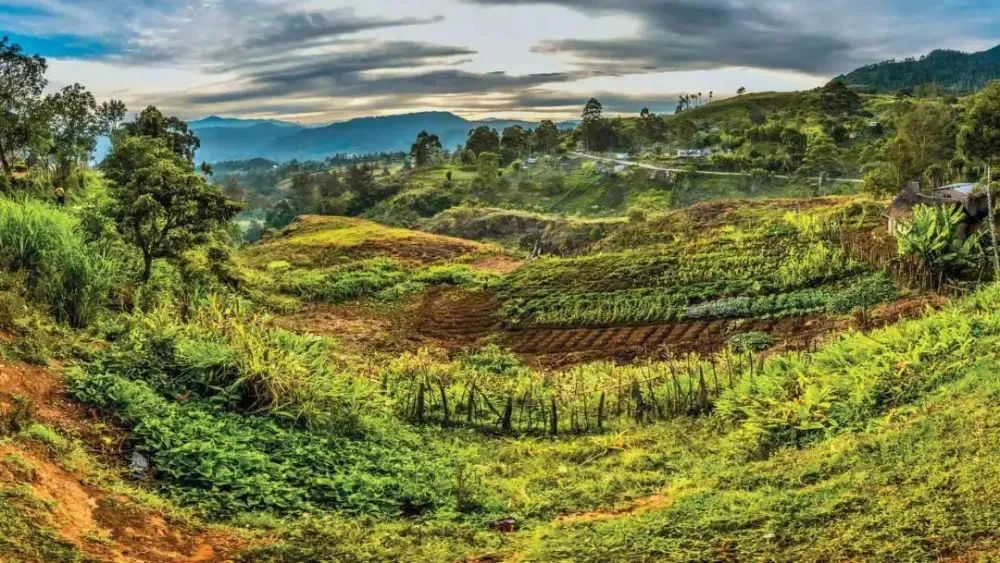
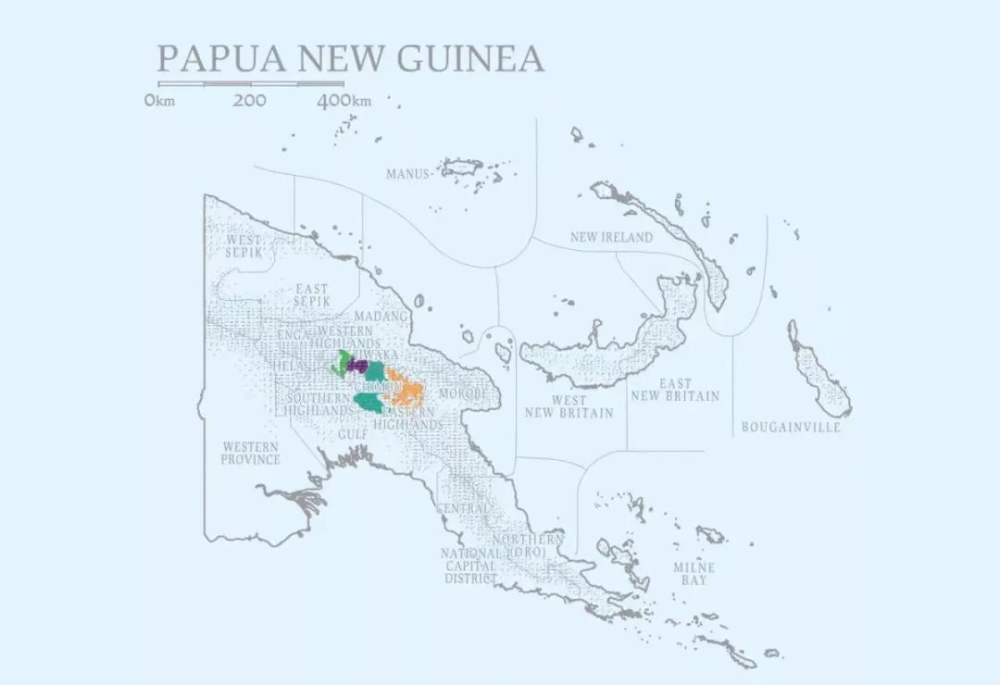
When it comes to the growing environment, PNG coffee is primarily produced in the country’s highland areas, especially Eastern Highlands and Western Highlands. These regions generally sit at elevations between 1,400 and 1,800 meters, with significant day-night temperature differences that help the coffee ripen slowly and accumulate more flavor compounds. Similar to Jamaica Blue Mountain, PNG coffee is mostly cultivated by smallholder farmers, with many estates still maintaining traditional farming and shaded cultivation methods—minimizing environmental impact and allowing the coffee to grow under more natural conditions.
From a cupping perspective, PNG coffee also shares many flavor characteristics with Blue Mountain. It typically exhibits gentle fruit acidity, bright citrus notes, accompanied by subtle floral aromas and a nutty finish. The mouthfeel is rich yet refreshing, with noticeable sweetness and a clean, lingering aftertaste. Such flavor profiles have earned PNG coffee high praise in the international market, making it a choice for many specialty coffee shops and roasters.
However, despite sharing similar genetics with Jamaica Blue Mountain, the two differ in market positioning and pricing. Blue Mountain coffee, due to its scarce production and strict export restrictions, often commands a high price and is considered among the finest coffees in the world. In contrast, PNG coffee benefits from relatively stable production and offers good value for money, making it more suitable for everyday enjoyment by general coffee lovers and for exploring the charm of specialty coffee. If you’re looking to experience Blue Mountain-like flavors without breaking the bank, PNG coffee is undoubtedly an excellent alternative.
For coffee enthusiasts who enjoy pour over, we also offer some practical extraction tips to help you better highlight the delicate characteristics of PNG coffee. We recommend using beans roasted to a medium-light level, with a grind size adjusted to medium-fine (similar to fine sugar). Use a pour over kettle with water at 90–93°C for extraction. A common parameter setup is: 15 grams of coffee grounds, with 240 milliliters of water, using a pulse pouring method—first pour 30 milliliters to wet the grounds, wait 30 seconds, then continue pouring the remaining water, keeping the total extraction time between 2 minutes 30 seconds and 3 minutes. These parameters help fully release the fruit acidity and floral notes of PNG coffee while maintaining a balanced mouthfeel.
Additionally, during brewing, pay attention to maintaining a stable and even water flow to avoid over-agitation that could lead to over-extraction and affect flavor clarity. Using paper filters is recommended to reduce impurities and excessive oils, making the coffee’s sweet-and-acidic notes clearer. If you’re a beginner, feel free to experiment with different grind sizes and water temperatures to find the flavor profile that best suits your palate.
In summary, Papua New Guinea coffee earns the title of "Little Blue Mountain" not merely through marketing, but based on its many shared traits with Jamaica Blue Mountain in varietal selection, growing environment, and flavor expression. Whether you’re a coffee newbie or an experienced enthusiast, gaining a deeper understanding of PNG coffee’s background and extraction techniques can further broaden your appreciation and tasting sophistication of specialty coffee.

The above content is compiled by CoffeeHunters, a coffee news website.


