








Introduction:Adjusting the strength of pour over coffee is not as simple as just adding or reducing water — it involves balancing multiple parameters such as brew ratio, water temperature, and grind size. This article delves into how you can achieve your ideal coffee strength and flavor without compromising extraction efficiency through scientifically informed adjustments. Whether you're a beginner or an advanced enthusiast, this practical guide will help you precisely control the performance of each pour over cup.
Among the various adjustments made during pour over brewing, changing the coffee’s strength is one of the most common needs. Many people intuitively think that simply increasing or decreasing the amount of water poured can easily change the intensity of the coffee. However, in reality, when the brew ratio deviates from the optimal range, not only does the strength change, but the extraction yield can also fluctuate, leading to an imbalance in flavor. Based on the commonly used 1:15 brew ratio, this article will guide you through how subtle adjustments in factors such as water temperature and grind size allow you to modify strength while maintaining stable extraction quality.

Many coffee enthusiasts, in pursuit of a stronger or lighter taste, often attempt more extreme adjustments to the brew ratio, such as changing from 1:15 to 1:13 or 1:17. However, such large-scale changes directly impact the coffee’s extraction efficiency, especially for beans that are harder to extract, potentially resulting in under-extraction or over-extraction. Therefore, if you wish to significantly adjust the strength, it is recommended to also fine-tune the water temperature or grind size to maintain overall extraction stability.
For example, if you want to adjust the original 1:15 brew ratio to a stronger 1:13, it is advisable to simultaneously raise the water temperature by 1–2°C or grind the coffee finer by one notch. Such adjustments can compensate for the reduced extraction efficiency caused by less water, preventing a situation where the front-end flavors are prominent but the later stages lack body, ensuring the coffee’s overall performance is more balanced and layered.
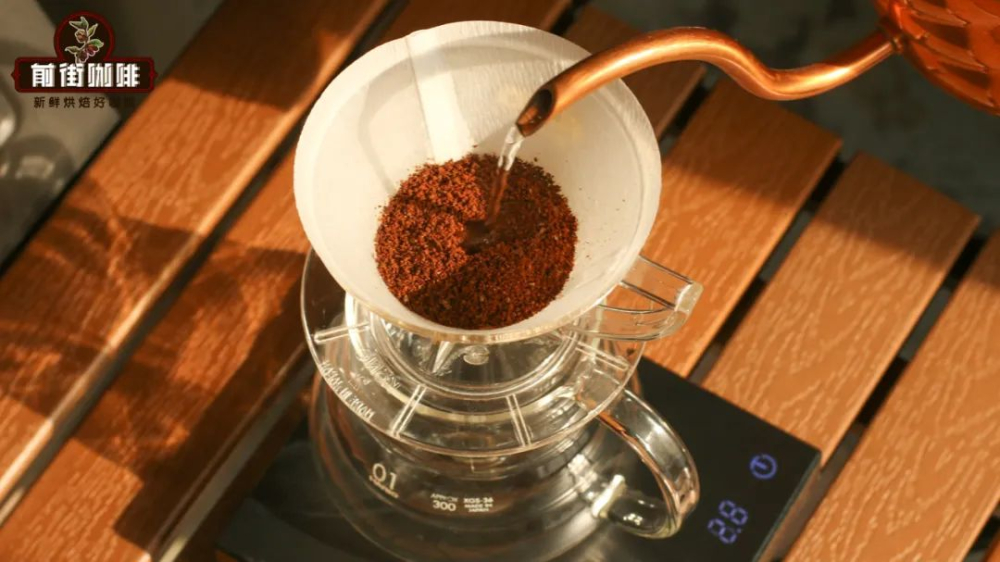
Conversely, if you prefer a lighter-tasting coffee, there are more diverse ways to adjust. The most straightforward method is to increase the brew ratio, for instance, from 1:15 to 1:16 or higher, thereby diluting the overall strength of the coffee. However, be aware that too large a brew ratio adjustment may lead to over-extraction, releasing unnecessary impurities and affecting the purity of the flavor. In such cases, consider lowering the water temperature by 1–2°C or using a slightly coarser grind, effectively controlling the extraction rate and avoiding over-extraction.
Aside from adjusting brewing parameters, another simple and practical method is to dilute the strength through bypassing (adding water after brewing). This involves adding a small amount of hot water after the normal brew is completed to adjust the overall concentration. It is recommended to add only 10–20 milliliters of hot water at a time, then taste and decide whether further dilution is needed. This helps avoid making the coffee taste weak and insipid due to an overly large single addition, thus preserving its intended flavor characteristics.
In summary, mastering the strength of pour over coffee is an art that requires balance. By understanding the interplay between brew ratio, water temperature, and grind size, and skillfully applying water dilution techniques, you can more precisely tailor your coffee to personal taste preferences. Whether you prefer a rich and bold cup or a clean and light one, these practical tips will help you achieve the ideal flavor profile in every brew.
The above content is compiled by CoffeeHunters, a coffee news website.


