







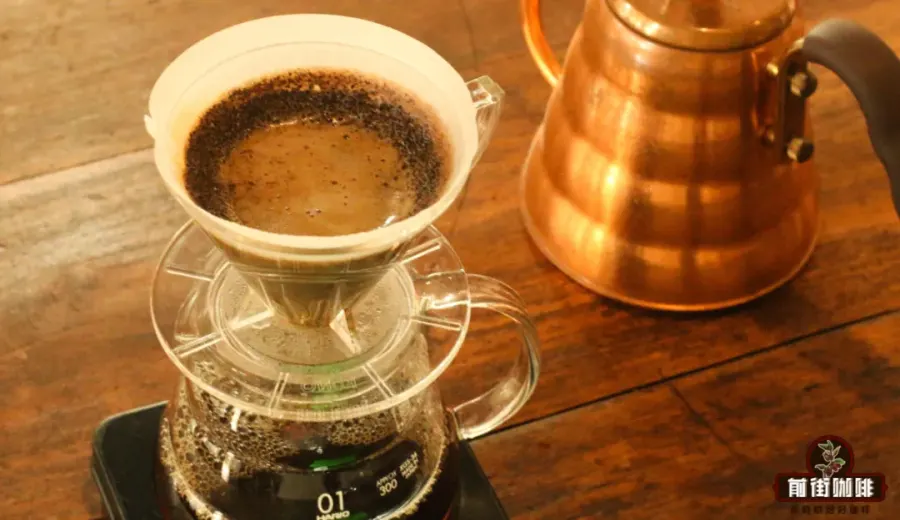
Introduction:Cupping is a key method for professionally evaluating coffee bean quality, but many coffee enthusiasts wonder: since both use water for extraction, why not simply use pour over to make the judgment? This article delves into the origins, standard procedures, and technical details of cupping, compares its differences with pour over in terms of extraction goals, stability, and efficiency, and provides practical parameter references to help you better understand the value of professional cupping.
In the world of coffee, cupping is the standard procedure for evaluating coffee bean quality and flavor, but many novice coffee lovers often have this question: since both cupping and pour over involve extracting coffee by pouring water, why not just use the pour over method for evaluation? In fact, the principles, operation methods, and purposes behind these two approaches differ significantly.
Cupping originated in the United States in the 1980s, initially developed to meet the needs of the green coffee bean trade. At that time, traders, when purchasing large quantities of green beans, were concerned that they might contain defective beans or flavors with obvious flaws, so they needed a quick and objectively reflective method to evaluate the true performance of the coffee beans. If individualized brewing methods such as pour over were used, not only would it be time-consuming, but differences in each person's brewing technique, water temperature, and ratio would also make it difficult to ensure consistent results each time, and it would be impossible to fairly compare beans from different batches.
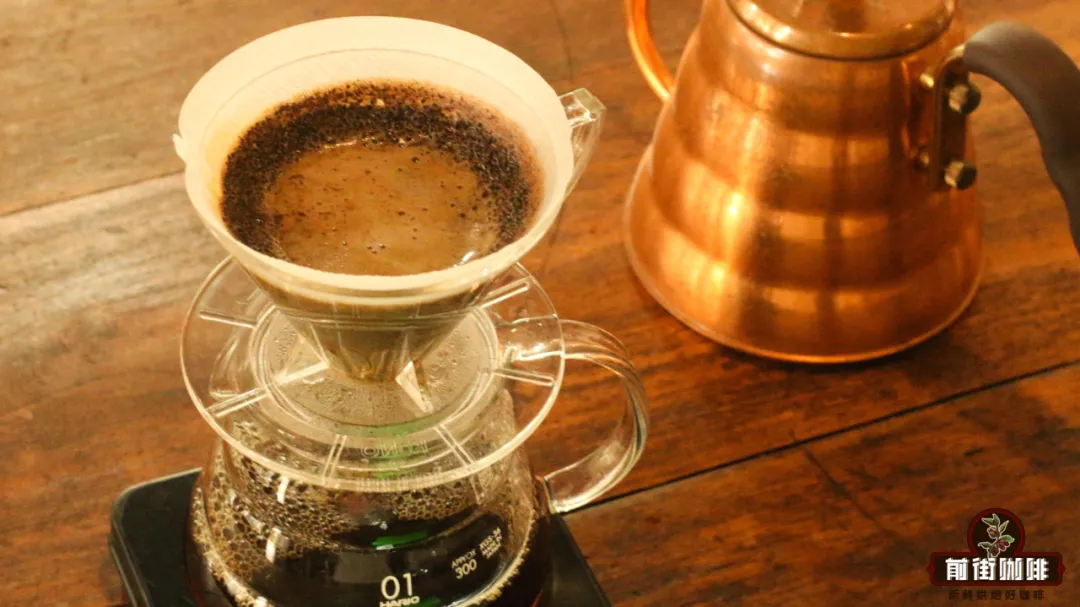
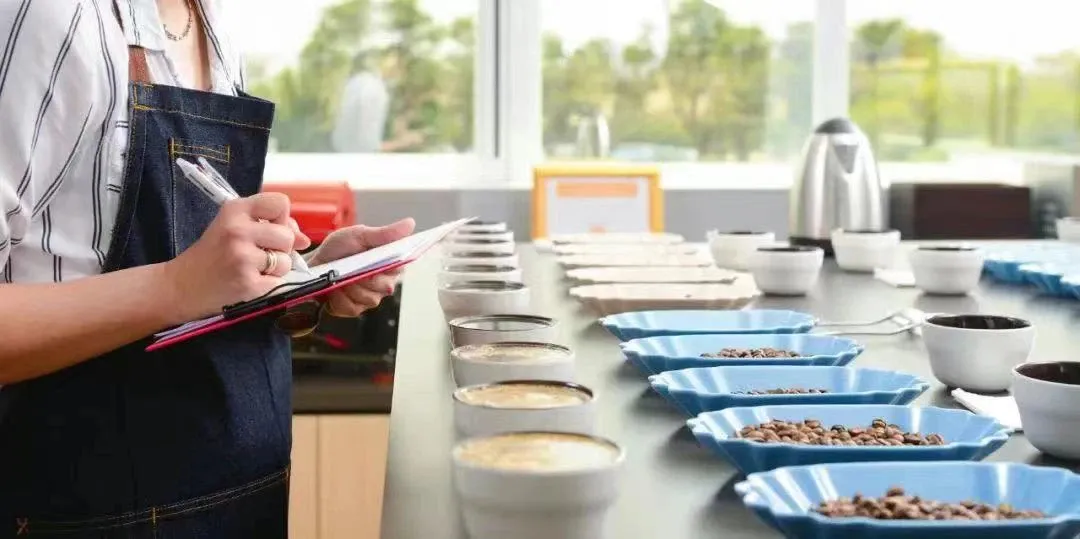
For this reason, cupping—a method of evaluation that unifies operational conditions, reduces human interference, and allows for quick assessment of multiple coffee beans—was born. It not only helps businesses screen out coffee with stable quality, but also serves as an important basis for roasters to adjust their roasting profiles.
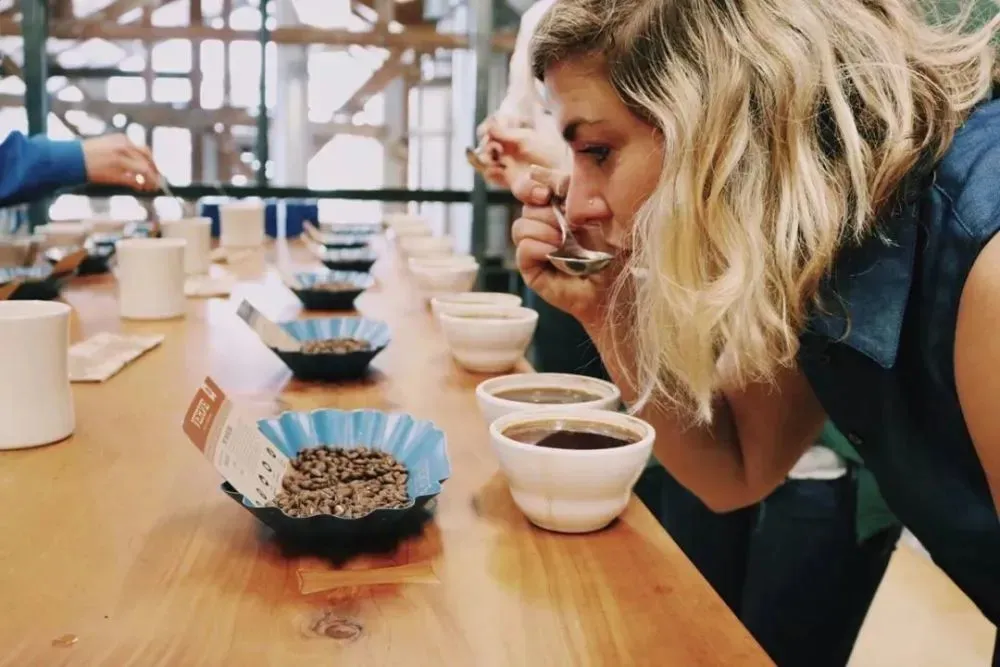
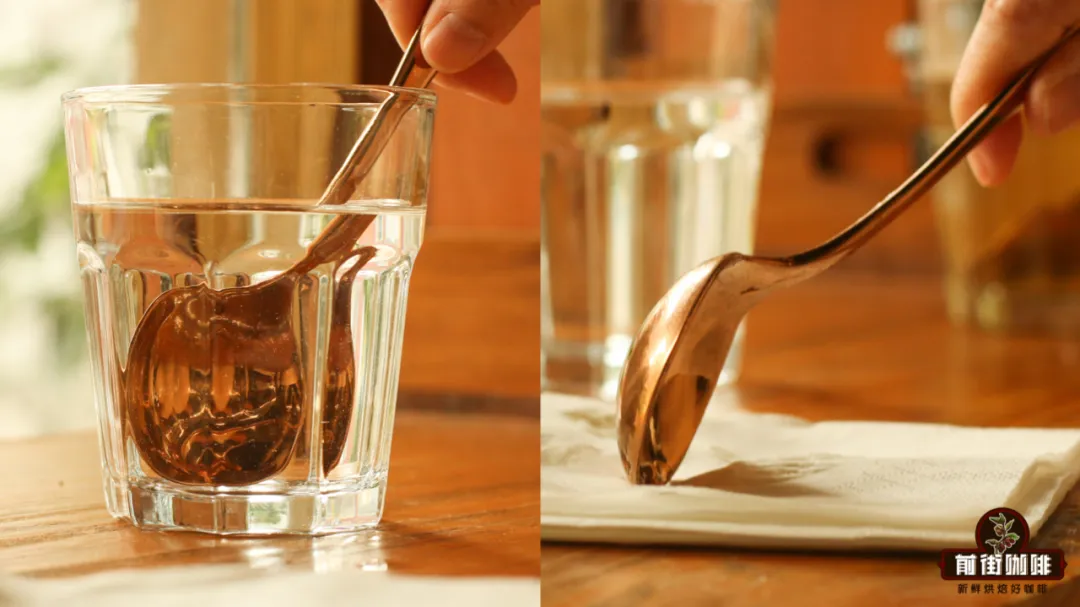
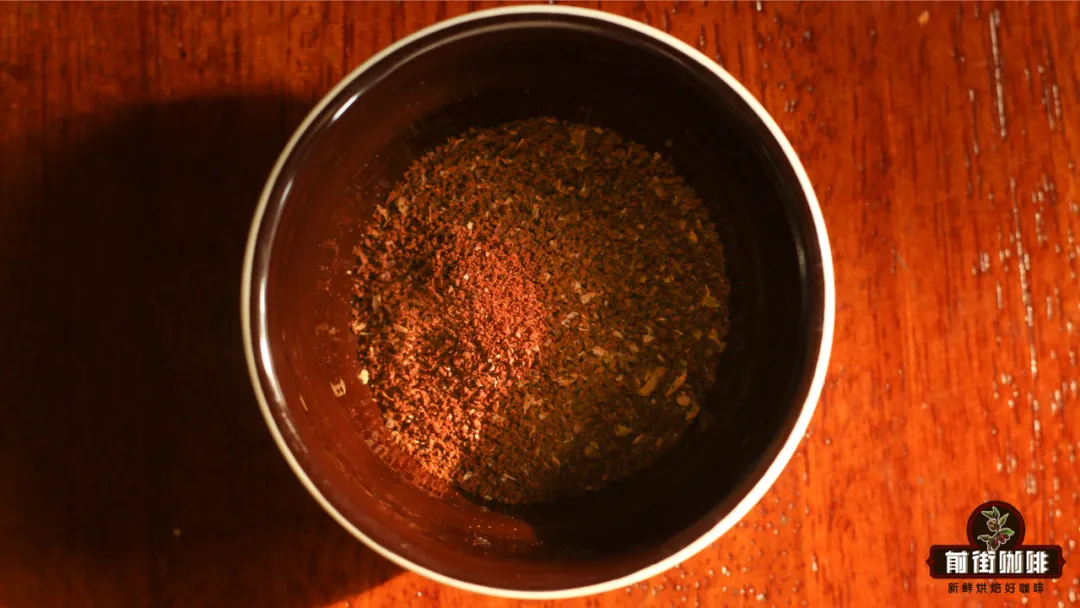
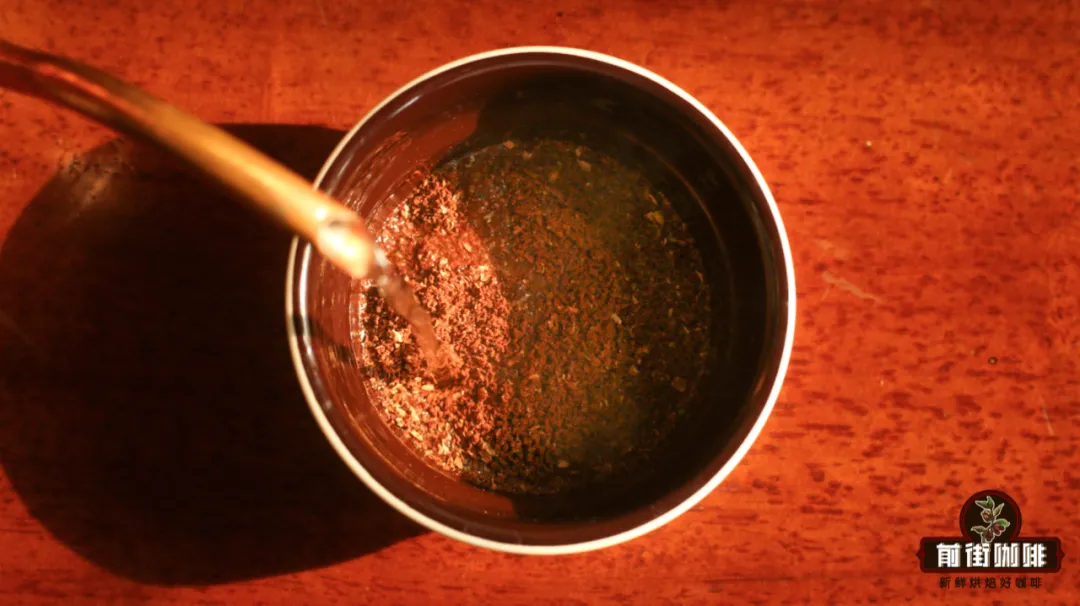
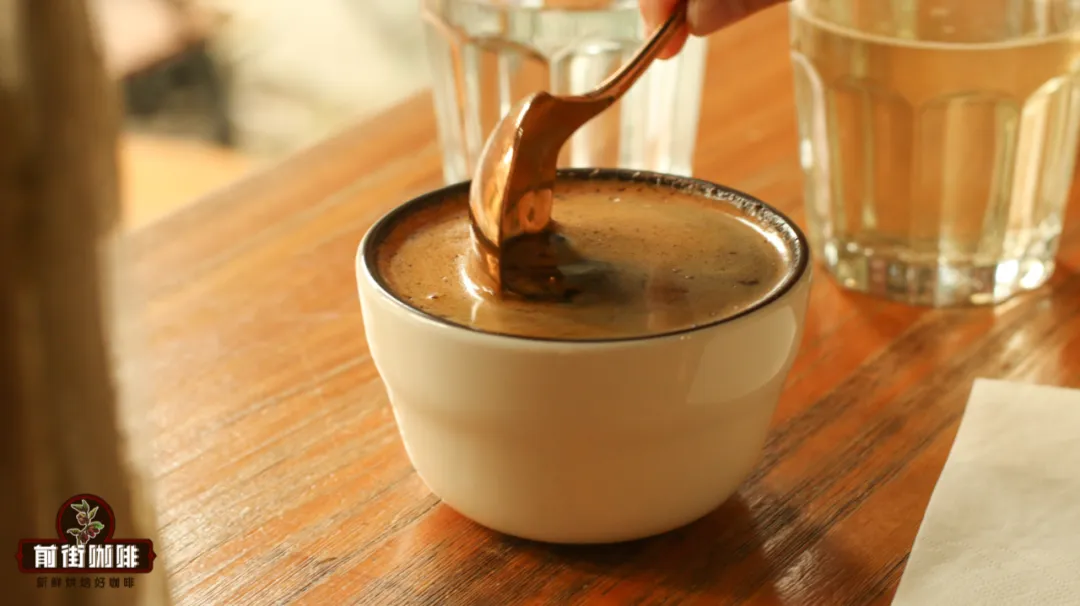
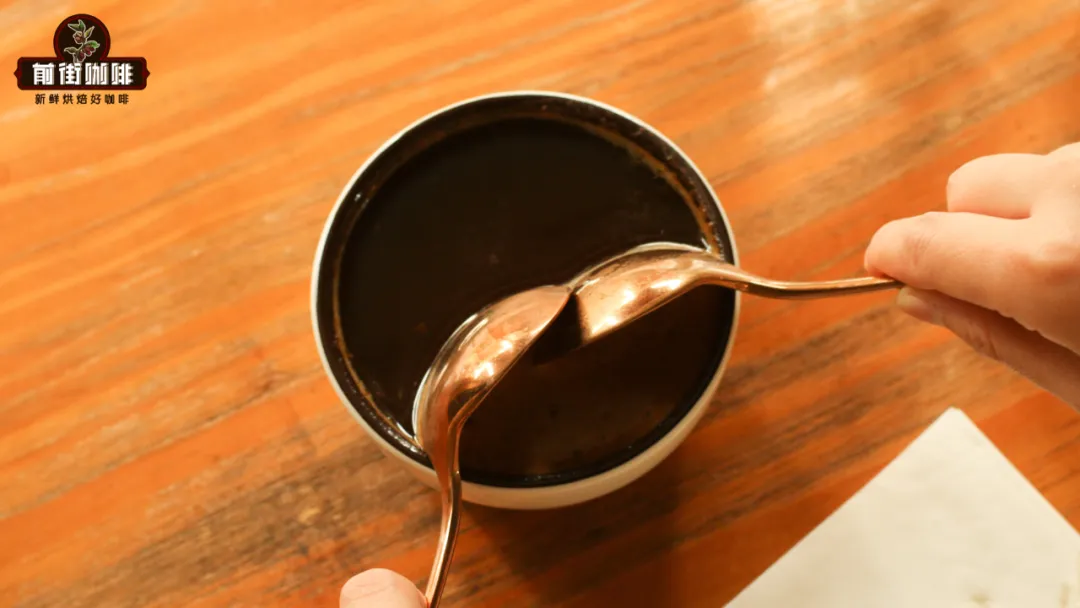
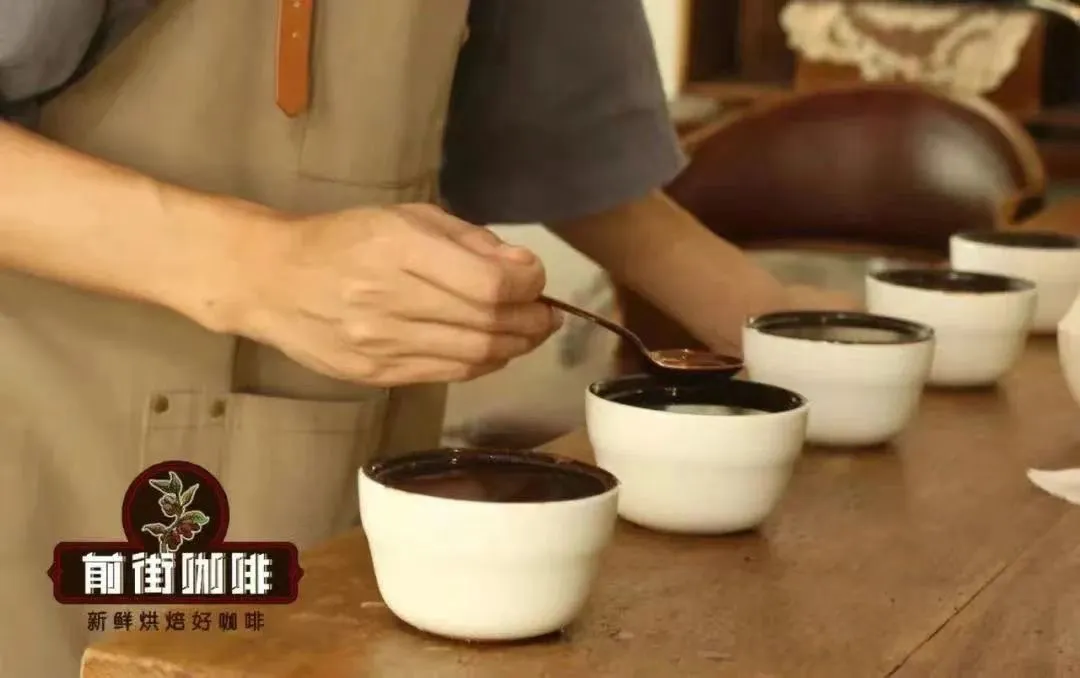
So, what is the specific process of cupping? First, cupping uses standardized cups, typically cupping bowls with a capacity of about 200 to 240 milliliters, and about 8.25 to 8.5 grams of coffee grounds are added. Then, near-boiling hot water (approximately 93 to 96°C) is poured at a coffee-to-water ratio of 1:16 to 1:18. After letting it sit for about four minutes, cupping spoons are used to break the crust on the surface of the coffee grounds, and the dry and wet aromas are sniffed. Then comes the slurping and tasting.
Each step in this process has its purpose: for example, the resting time allows for sufficient extraction of the coffee, while breaking the crust helps release more aroma; slurping atomizes the coffee, concentrating the flavors onto the taste buds. These operations are professionally designed to ensure that, regardless of the setting or the person performing them, the results remain referential.
Some might think, since it’s all just water and coffee grounds, wouldn’t pour over also achieve similar effects? Actually, no. While pour over is indeed a highly expressive brewing method, it emphasizes personal style and brewing technique. Factors such as water temperature control, pouring method, grind size, and brewing time can greatly influence the final extraction result. Therefore, the same coffee beans, brewed by different people using pour over, may exhibit very different flavor profiles—which is unacceptable for cupping that requires “fair, objective, and unified” evaluation.
Moreover, during the cupping process, multiple coffee beans need to be compared simultaneously, where the variability of pour over becomes a hindrance. Cupping, on the other hand, allows evaluators to focus on the differences in flavor itself, rather than variables introduced by brewing techniques, thanks to its unified extraction conditions.
From a parameter standpoint, the standards of cupping are very clear: using a fixed ratio of coffee grounds to water, a fixed water temperature, a consistent grind size (usually slightly coarser than pour over), as well as standardized actions for breaking the crust and slurping. All of this is aimed at minimizing interfering factors and focusing solely on the performance of the coffee beans themselves. Pour over, however, lacks such rigid regulations—each brewer can fine-tune according to personal preference, making pour over more suitable for everyday drinking rather than rigorous quality assessment.
Of course, this does not mean that pour over has no value. On the contrary, pour over can highlight the delicate layers and origin characteristics of coffee, and is very helpful for gaining an in-depth understanding of the flavor profiles of a single region or processing method. But in situations where you need to quickly screen and compare a large number of samples, the efficiency and objectivity of cupping become particularly important.
For coffee professionals or advanced enthusiasts, understanding cupping not only helps to more professionally assess coffee quality, but also deepens the understanding of the factors that shape coffee flavors. From roast level and processing method to origin characteristics, this information can be more clearly parsed through the standardized cupping process.
In summary, the reason cupping cannot be replaced by pour over lies in its qualities of “consistency, objectivity, and high efficiency.” While pour over holds irreplaceable charm for everyday drinking and flavor exploration, in the field of professional coffee quality evaluation, cupping remains one of the most reliable tools.
If you’re new to cupping, start by observing professional cupping processes, understanding the intention behind each step, and then gradually try conducting simple cuppings yourself to compare how different coffee beans perform under the same standards. This will not only enhance your coffee tasting skills but also help you better appreciate the unique qualities of each coffee bean.
The above content is compiled by CoffeeHunters, a coffee news website.


