







Introduction:Explore how Kenya’s Thika region showcases the delicate flavors of SL28 and SL34 varieties through its unique K72 washed processing method. This article delves into the region’s geography, processing techniques, and offers practical pour over recommendations to help you fully appreciate the sweet-acid balance and fruity layers of this African specialty coffee.
Kenyan coffee has long held an important position in the global specialty market, especially the varieties grown in East Africa’s high-altitude regions, known for their rich acidity and fruity profiles. Among them, although the Thika region is not as well-known as Nyeri or Kirinyaga, it has become a target for coffee enthusiasts seeking new flavors due to its distinctive tomato-like notes and clear fruit acidity.
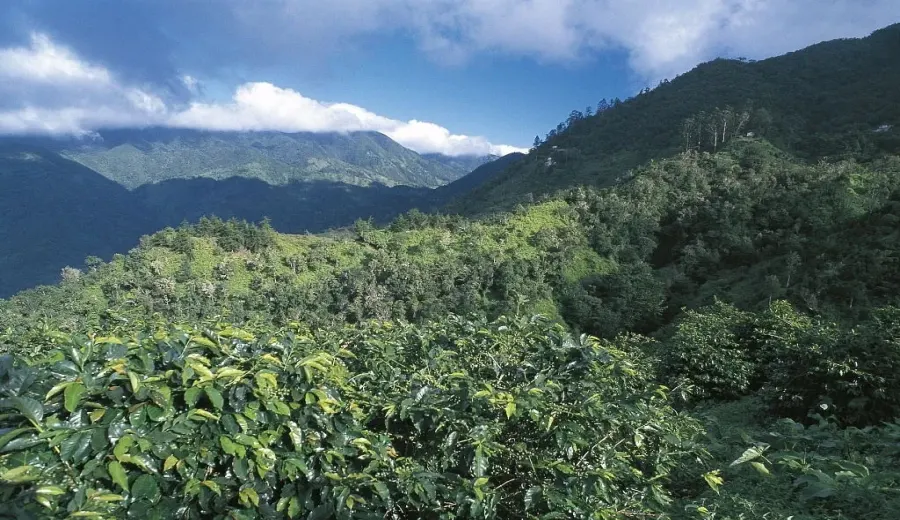
Located in the suburbs of Kenya’s capital, Nairobi, Thika is primarily an industrial hub, but its surrounding rural areas are dotted with coffee plantations at elevations between 1520 and 2200 meters—ideal for growing high-quality Arabica. Around 90% of the coffee in this area comes from the classic local varieties SL28 and SL34, which are also key to the unique flavor profile of Kenyan coffee.
The Asali processing factory in the Thika region is renowned for its focus on refined washed processing. “Asali” means “honey” in Swahili, symbolizing its pursuit of sweetness and clean flavors. This processing facility employs Kenya’s distinctive K72 washed processing method, using prolonged fermentation to enhance flavor clarity and bright acidity.
The steps of the K72 process are highly meticulous: after initial sorting, the coffee cherries have their outer skin and some mucilage removed, then are placed in water tanks for the first 24-hour fermentation. They are then washed and re-soaked in clean water for another 24-hour fermentation. This cycle is repeated three times, totaling 72 hours, significantly reducing impurities and off-flavors while highlighting the coffee’s natural fruit acidity and sweetness. After fermentation, the beans undergo prolonged shade drying to ensure even moisture evaporation.
The Origins and Characteristics of SL28 and SL34
SL28 and SL34 are two classic varieties developed and selected by Kenya’s former Scott Agricultural Laboratories (later renamed the Kenya National Agricultural Laboratories) in the late 1930s. At the time, over 40 coffee tree varieties were evaluated, and these two were chosen for their stable quality, good disease resistance, and outstanding flavor profiles.
Although these two varieties are more susceptible to common diseases such as leaf rust, they perform exceptionally well in high-altitude environments, often producing coffee with complex acidity structures and enchanting sweet finishes. Genetic analysis shows that SL28 is related to the Bourbon variety, while SL34 originates from Typica. Both are particularly suited to altitudes above 1600 meters, where higher elevation allows their flavor potential to be fully realized.
In terms of flavor, SL28 typically has a fuller body and higher clarity, with layered and three-dimensional acidity. SL34 often exhibits a more expressive fruity character with pronounced sweetness. When processed with K72, both varieties highlight their unique terroir characteristics even more distinctly.
Flavor Profile of the Thika Region: A Symphony of Tomato, Berry, and Citrus
What sets Thika-region coffee apart from other Kenyan regions is its distinct tomato-like note, often interwoven with black plum, berry, and citrus flavors, creating a refreshing yet full-bodied taste experience. Additionally, some batches may present herbal notes reminiscent of green tea, adding further complexity.
These flavors are typically cultivated under high altitude, volcanic soil, and mild day-night temperature variations. Coupled with the acidity and clarity enhanced by the K72 process, the coffee delivers clear flavors upon entry, with a sweet aftertaste—making it ideal for coffee lovers who enjoy distinct fruitiness and a balanced sweet-acid profile.
Pour Over Recommendation: How to Brew the Essence of Asali Factory’s K72 Washed Beans
This Kenyan washed coffee from Asali Factory, using the SL28 and SL34 varieties, is typically medium-light roasted to preserve the maximum amount of origin flavors. It is recommended to use a V60 dripper for pour over, with a suggested ratio of 1:15 (coffee grounds:water) and water temperature controlled at around 92°C to fully bring out the balance of fruit acidity and sweetness.
For specific steps, a medium-coarse grind (similar to white sugar granules) is advised. Start with a small amount of hot water for a 30-second bloom, then pour water in a circular motion from the center outward. The total brew time should be kept between 2 and 2 minutes 30 seconds. This extraction method helps balance acidity and body, making flavors like cherry tomato, black plum, and citrus more three-dimensional while maintaining a juice-like smooth texture.
Additionally, avoid over-extending the brew time to prevent excessive tannin release, which can lead to astringency. If you prefer brighter acidity, slightly increase the water temperature to 93°C. If you favor a fuller body and more sweetness, reduce the temperature to 90–91°C and use a slightly coarser grind.
In summary, the SL28 and SL34 washed coffee beans from Asali Factory in Kenya’s Thika region, combining high-altitude terroir, traditional variety advantages, and the unique K72 processing method, present a highly distinctive flavor profile. Whether as a daily drinker or an entry point for exploring African coffee flavors, they promise a delightful sensory experience.
The above content is compiled by CoffeeHunters, a coffee news website.


