







Introduction:The heatwave in Vietnam has led to a tightening supply of Robusta coffee beans, unexpectedly creating growth opportunities for India’s coffee exports. In the first quarter of 2024, India’s coffee exports increased by 13.35% year-on-year, reaching 125,600 metric tons. Among these, the quality of Robusta has improved due to more specialty-oriented cultivation, driving prices upward. However, grower contract defaults and the crisis in the Red Sea shipping route are emerging as concerns for India’s coffee exports.
As one of the earliest coffee-growing countries in Asia, India ranks sixth globally in coffee production. In recent years, severe heatwaves and droughts in Vietnam have impacted Robusta coffee bean yields, tightening supply and pushing up global coffee prices. This shift has created favorable conditions for India’s coffee exports, particularly in the Robusta category.
According to official Indian statistics, in the first quarter of 2024, India’s total coffee exports amounted to 125,600 metric tons, compared to 110,800 metric tonsduring the same period last year, marking an increase of 13.35%. This growth has been largely driven by rising global demand for Robusta, especially as major producing countries such as Vietnam and Indonesia have seen reduced output due to abnormal weather, allowing India to capture a larger market share.
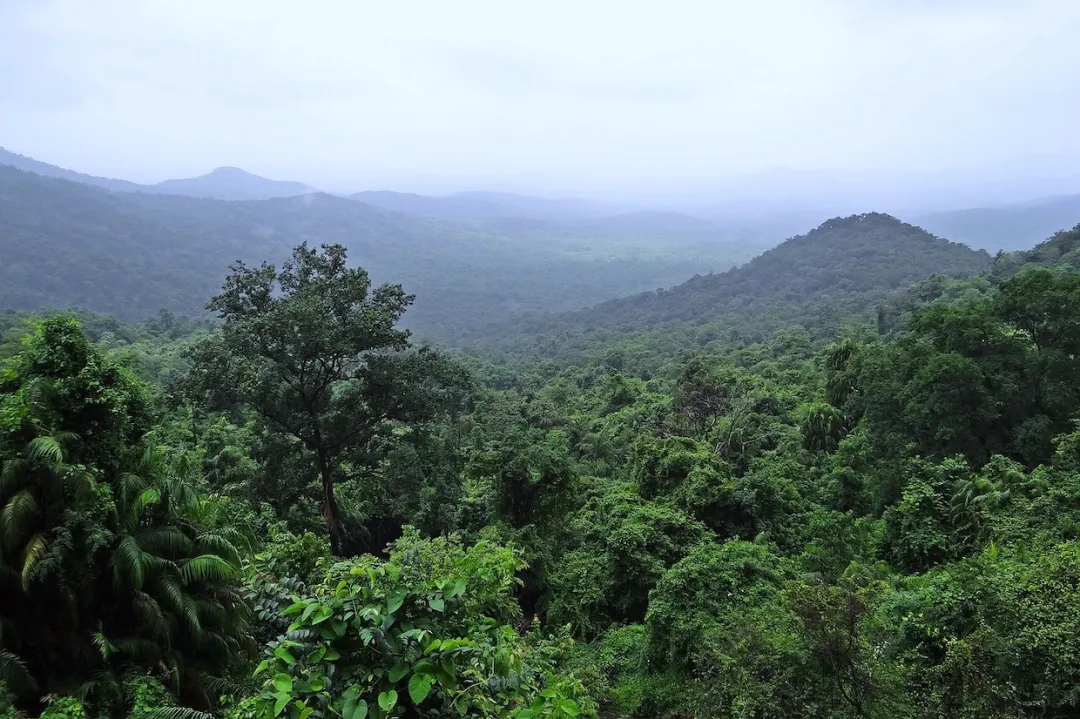
In recent years, India’s Robusta coffee cultivation has trended toward more specialty practices, commonly employing shaded growing, hand-picking, and natural processing methods. These approaches have significantly enhanced flavor profiles and overall quality, leading to higher prices. Once considered a low-cost commodity, Indian Robusta is now gaining increasing market favor. It is projected that India’s total Robusta exports for 2024 will rise from 271,000 metric tons last year to 298,000 metric tons.
However, the rapid growth in export volume is accompanied by challenges. Some local growers, tempted by higher profits, are reluctant to deliver beans at previously agreed contract prices, exposing traders to risks of unstable supply. If this trend persists, it could erode international buyers’ trust in Indian coffee and further impact future export orders.
Additionally, India’s coffee exports heavily rely on the Red Sea shipping route, which has become increasingly unstable due to geopolitical tensions, significantly affecting trade. According to Indian official data, the Red Sea route accounts for 50% of India’s exports and 30% of its imports. If goods need to be rerouted around the Cape of Good Hope in Africa, transportation costs could surge 161%, with estimated overall export losses potentially reaching as high as $30 billion.
To maintain trade flow, India has deployed a significant military presence in the Red Sea to provide escorts—second only to the United States. Even so, ongoing route instability and rising costs continue to exert considerable pressure on India’s coffee exports. Currently, India’s main coffee export markets include Italy, Germany, Belgium, Russia, and Jordan, where buyers are closely monitoring supply chain stability and changes in shipping costs.
Overall, India’s coffee exports have benefited from short-term shifts in global market supply and demand, but challenges such as grower contract defaults and the Red Sea crisis require active responses from both industry stakeholders and policymakers to ensure sustained export momentum and stable market confidence.
The above content is compiled by CoffeeHunters, a coffee news website.


