







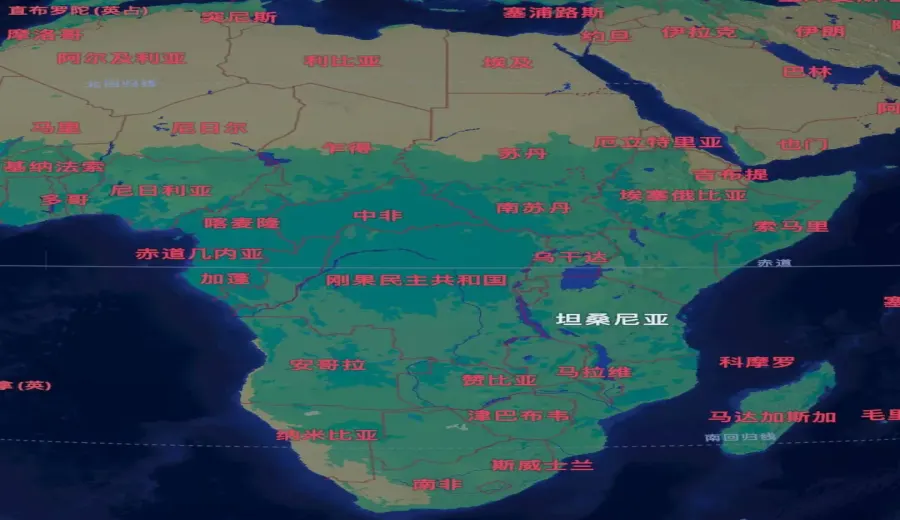
Introduction:As one of Africa’s three major coffee-producing countries, Tanzania is renowned for its Kilimanjaro region, which boasts high altitudes and volcanic soils, giving rise to uniquely flavored coffee beans. This article delves into Tanzania’s geographical environment, the characteristics of its main coffee-growing regions, with a focus on the growing conditions in Kilimanjaro and the classic Typica variety, while also offering practical pour over recommendations and flavor analysis to help you fully understand this promising specialty coffee.
Tanzania plays a significant role in Africa’s coffee landscape, standing alongside Ethiopia, Kenya, and Rwanda, and is even hailed as one of the “Big Three African Coffee Producers.” As part of the United Republic of Tanzania, this country spans the equator in East Africa, featuring diverse terrain that includes vast mainland areas and coastal islands. It borders the Indian Ocean to the east and shares frontiers with eight other countries including Kenya and Uganda, covering a total land area of 945,000 square kilometers. It is rich in both natural and agricultural resources.
Tanzania is not only one of the cradles of civilization but also one of the less economically developed countries globally. Its economy is primarily agriculture-based, supplemented by mining and tourism. The overall terrain slopes from high in the northwest to low in the southeast, with coastal lowlands in the east and plateaus occupying much of the western region. The East African Rift Valley runs through the country, and at its heart lies Mount Kilimanjaro, the highest freestanding mountain in the world at 5,895 meters above sea level, crowned with year-round snow. This provides exceptionally favorable natural conditions for coffee cultivation in the surrounding areas.
Climatically, Tanzania’s weather varies due to topographical differences. The eastern and inland lowland areas experience a tropical savanna climate, with average annual temperatures around 21–26°C, while the western plateau enjoys a tropical mountain climate, characterized by distinct wet and dry seasons. Although about 80% of the country receives less than 1,000 mm of rainfall annually, it is home to numerous rivers and lakes, offering abundant water resources highly beneficial for agriculture and coffee farming.
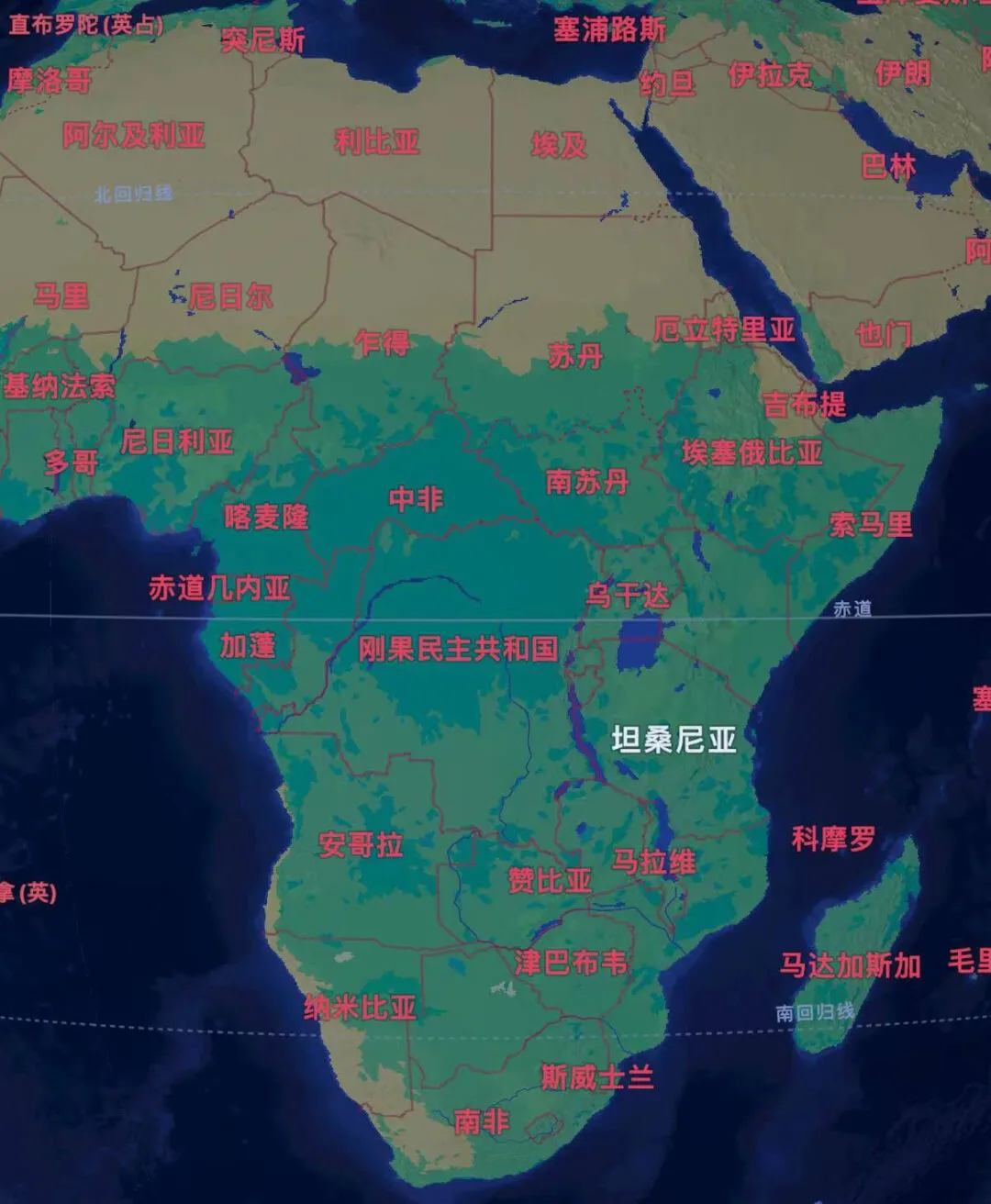
Tanzania’s coffee industry is dominated by smallholder farmers, with around 90% of the coffee produced by 450,000 small farms, while the rest comes from slightly larger estates. The country is divided into nine major producing regions, among which Kilimanjaro, Arusha, Ruvuma, Mbeya, Tanga, and Kigoma are the most well-known.
The Kilimanjaro region is located in northeastern Tanzania, encircling Africa’s highest peak—Mount Kilimanjaro, which stands at 5,895 meters and consists of three dormant volcanoes: Kibo, Mawenzi, and Shira. These mountains create an ideal environment for coffee cultivation. Coffee is mainly grown at altitudes between 1,050 and 2,500 meters. The high elevation, combined with volcanic soils and pure water sourced from melting snow at the mountain’s summit, gives the coffee from this region its distinctive flavors and excellent quality. The main harvest season runs from July to December, with the primary varieties being Bourbon, Typica, and Kent, among which Typica is particularly noted for its long history and unique flavor profile.
The neighboring Arusha region shares similar geographical conditions with the Kilimanjaro highlands, also benefiting from volcanic soils and altitudes ranging from 1,100 to 1,800 meters. Its harvest period, concentrated between July and December, makes it another noteworthy coffee origin.
The Ruvuma region, located in southernmost Tanzania and named after the Ruvuma River that flows through it, has seen slower development in the past due to limited funding and infrastructure. However, with elevations between 1,200 and 1,800 meters and a harvest season from June to October, it holds strong potential for producing high-quality coffee.
The southern Mbeya region is a comprehensive agricultural area that, besides coffee, also produces tea, cocoa, and spices. With elevations between 1,200 and 2,000 meters and a harvest season from June to October, it makes a significant contribution to the local economy and exports.
The northern Tanga region, bordering Kenya, may not be widely known internationally but cultivates both Arabica and Robusta. At elevations of 1,500 to 1,800 meters and a harvest season between July and December, it offers an option for exploring diverse flavor profiles.
The northwestern Kigoma region, named after its capital city and adjacent to Burundi, is still in the early stages of coffee industry development. With elevations ranging from 1,100 to 1,700 meters and a harvest season from July to December, its future potential is highly promising.
Among the many varieties, Typica, one of the oldest existing coffee varieties, originates alongside Bourbon from southwestern Ethiopia. Typica plants are distinct, with ridge-shaped leaves, sharp leaf tips, green or bronze-colored foliage, longer fruit internodes, and red mature fruits. The beans are slender, and the plants are tall. This variety thrives at high altitudes and can exhibit exceptional flavors under ideal conditions. However, it has relatively low yields and is susceptible to leaf rust, nematodes, and berry diseases, leading to its gradual replacement by higher-yielding varieties. Today, it is cultivated only in a few regions, including Peru, Tanzania, and Jamaica.

Taking the washed Typica beans from the Kilimanjaro region as an example, using a medium roast and brewing with a V60 filter cone at a 1:15 coffee-to-water ratio and 92°C water temperature is a classic combination suitable for both beginners and experienced pour over enthusiasts. The resulting cup offers gentle acidity, clearly showcasing layered flavors of citrus, berries, honey, and nuts, with a tea-like smooth mouthfeel and overall excellent balance. It is perfect for coffee lovers who prefer delicate and tea-like profiles, making it an ideal starting point for exploring the charm of Tanzanian coffee.
The above content is compiled by CoffeeHunters, a coffee news website.


