







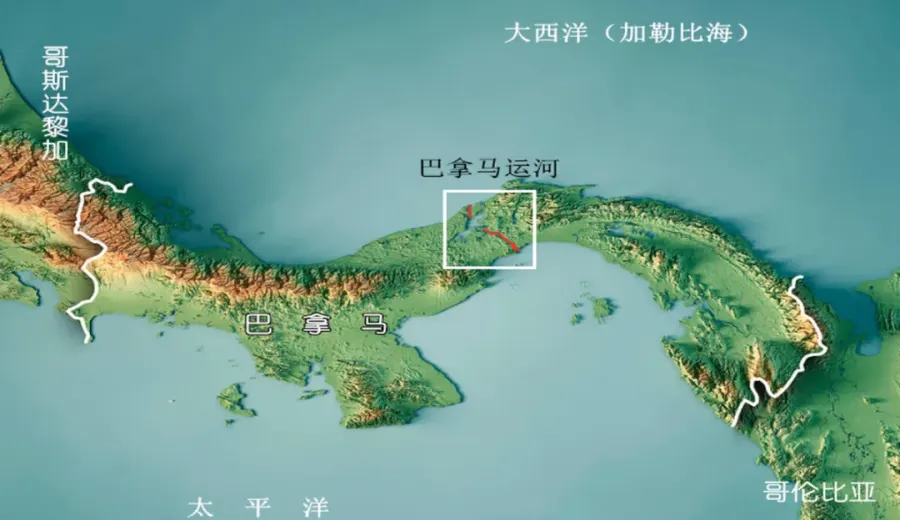
Introduction:Global climate anomalies have led to severe drought in the Panama Canal, drastically reducing its navigational capacity and directly impacting the export of Central American coffee. The Panamanian government has introduced the "Multimodal Dry Canal" plan, combining road, rail, and existing port facilities to create alternative transport routes. This article delves into the actual effects of the drought on canal operations and coffee trade, and explains in detail the operational model and expected benefits of the new plan, helping readers grasp key information amid shifts in the trade chain.
In recent years, global climate anomalies triggered by the El Niño phenomenon have continued to intensify, and the Panama Canal is under unprecedented drought pressure. This "world bridge" connecting the Pacific and Atlantic Oceans is not only a vital waterway for international trade but also directly affects the export lifeline of agricultural products such as Central American coffee. The significant decline in the canal's navigational capacity has impacted about 3% of global maritime trade, prompting the Panamanian government to launch the "Multimodal Dry Canal" plan, attempting to alleviate trade bottlenecks by integrating existing infrastructure.
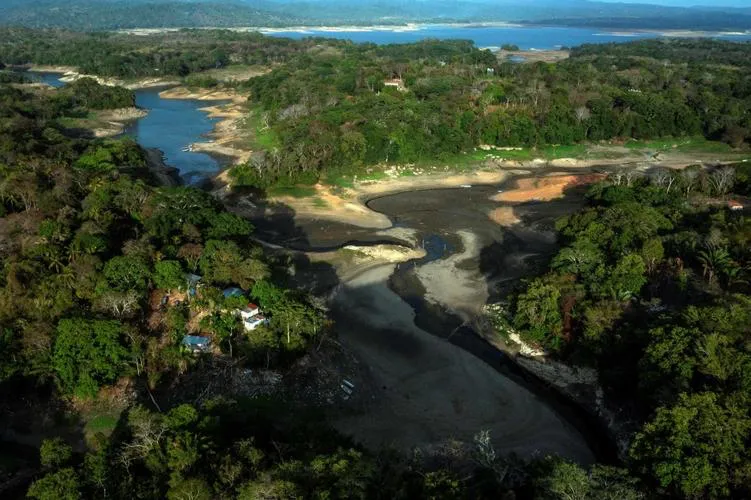
As one of the seven wonders of the modern world, the Panama Canal’s unique lock system allows ships to traverse the elevation difference between the two oceans. Ships passing through rely on freshwater from Gatun Lake and Alajuela Lake to regulate water levels, with each operation releasing approximately 200 million liters of freshwater. However,these two artificial lakes are primarily replenished by rainfall, and under the dual impact of climate change and the El Niño effect, local precipitation has continued to decline, making it difficult to reverse the drought trend even during the traditional rainy season.
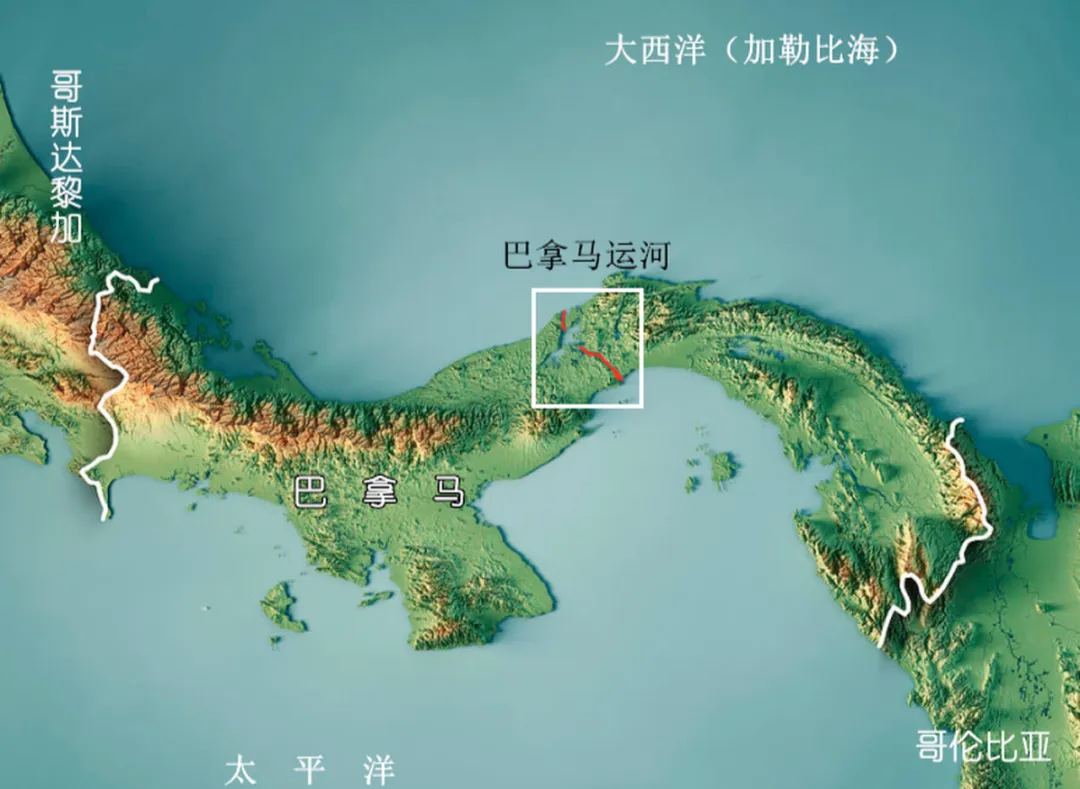
Data shows that the Panama Canal normally handles 39 vessels per day, but at the height of the drought, daily traffic once plummeted to 24 vessels. Although it has recently recovered to around 27 vessels, it remains far below normal levels.This waterway carries about 3% of global maritime trade, including 46% of containers shipped from Northeast Asia to the U.S. East Coast. Its reduced capacity directly affects the flow of agricultural products between the northern and southern hemispheres, especially key commodities such as coffee and bananas exported from Central America.
Insufficient capacity has worsened ship queuing, with over 100 vessels waiting at peak times. Some shipowners, in their bid for priority passage rights, are willing to pay auction fees as high as $4 million, a cost that is ultimately passed on to shipping fees, indirectly driving up consumer prices, including those of coffee.As the world’s largest coffee consumer market, any disruption in the U.S. supply chain could affect end retail prices.
Long before the drought issue emerged, the Panama Canal Authority (ACP) had initiated a long-term plan, investing $32 million to promote a coffee tree reforestation project around the canal. This initiative encourages coffee farmers to plant more Robusta coffee trees, aiming to improve soil erosion and river pollution issues through vegetation cover, thereby slowing the rate of canal water level decline.But such ecological measures require long-term accumulation of results and cannot immediately resolve the current transport crisis.
To address the urgent situation, the Panamanian Presidential Logistics Department recently announced the launch of the "Multimodal Dry Canal" plan. This new solution is positioned as a strategic supplement to the existing waterway, integrating existing road, rail networks, port facilities, airports, and free trade zones to create diversified cargo transport routes.The biggest advantage of the plan is that it requires no additional investment in new infrastructure, relying entirely on the optimized allocation of existing resources.
Panamanian customs officials pointed out that the plan can not only shorten cargo transshipment and customs clearance times, but also enhance customs transparency through digitalized processes, effectively reducing the risks of corruption and organized crime. In addition, strengthening cargo traceability helps ensure supply chain stability, which is particularly crucial for time-sensitive goods such as coffee.Compared to the high fee schemes proposed by other countries for shipping companies, the "Dry Canal" plan offers a more cost-effective alternative, helping to maintain the overall competitiveness of regional trade.
The above content is compiled by CoffeeHunters, a coffee news website.


