







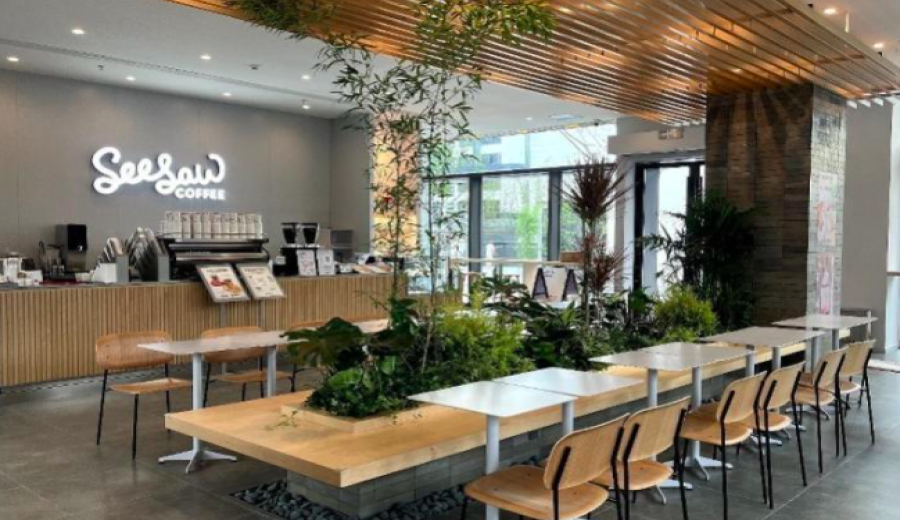
Introduction:Seesaw, once a representative of premium coffee in China, announced the opening of franchise partnerships on its twelfth anniversary after experiencing a wave of store closures. Faced with fierce competition from brands like Manner and Luckin, its less than 100 stores seem insufficient. This article delves into the background, challenges, and potential benefits of Seesaw’s franchise strategy, and provides key reference indicators for premium coffee franchising to help readers understand how franchising can become an option for brand breakthroughs.
As one of the pioneer brands of premium coffee in China, Seesaw has recently drawn renewed attention by announcing franchise partnerships on the occasion of its twelfth anniversary. This decision comes after a period of adjustment following the closure of multiple stores across the country at the end of last year, prompting widespread speculation about the brand’s financial health and market strategy. In a competitive landscape where giants like Starbucks and Luckin continue to expand, and competitors such as Manner and M Stand have reached 1,174 and 526 stores respectively, Seesaw currently operates fewer than 100 stores according to data from Zhaomen Canyan. Opting for a franchise model as a means of breakthrough marks a significant turning point in its market strategy.
Brand founder Wu Xiaomei explained earlier this year that the store closures were part of a “planned operational adjustment,” but consumer doubts about Seesaw’s future prospects have not dissipated. Especially after the Spring Festival, the brand has maintained a relatively low profile, in contrast to the strategies of its competitors who have actively launched new products and expanded into lower-tier markets. It was not until the twelfth anniversary that Seesaw officially launched a franchise announcement on the homepage of its official mini-program, allowing interested partners to fill out a questionnaire and receive a response within five working days, marking its first step toward franchise expansion.
Industry observers note that Seesaw’s decision to open franchising at this time is likely directly related to the reduction in its store network following the store closure controversy. In the face of intensifying market competition, extending stores to high-traffic consumption venues such as airports and hotels through franchising can help the brand quickly increase its coverage and customer base. However, this move has also raised concerns among some consumers, who worry it may reflect pressure on the brand’s capital chain, especially in light of the previously reported “Seesaw defaulting on payments” incident. Although the brand responded by calling the related reports “normal commercial disputes,” market confidence still needs time to recover.
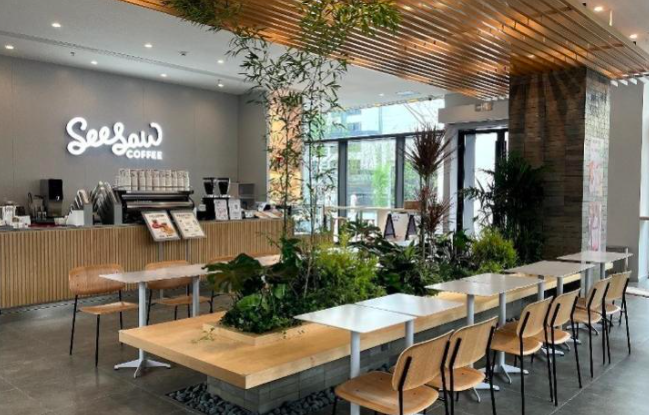
Notably, Seesaw’s founder Wu Xiaomei has previously emphasized that the brand would “maintain a steady expansion pace, focusing on first-tier and new first-tier cities in East China.” The current franchise strategy may be a concrete implementation of this goal, aiming to increase store density through a partnership model while reducing the risk of single-capital investment. For potential franchisees interested in entering the premium coffee sector, Seesaw’s brand recognition and market positioning are attractive, but they also need to assess the challenges posed by its current market share and competitive environment.
Overall, whether Seesaw’s choice to use franchising as a breakthrough can effectively stabilize its market position and achieve its expansion goals still depends on execution details and market feedback. For coffee enthusiasts and potential franchisees, understanding the logic behind the brand’s strategy and the relevant market data will help make more comprehensive judgments. The competition in the premium coffee industry has entered a white-hot stage, and Seesaw’s franchise exploration may provide the industry with a typical case for observing the franchise model.
The above content is compiled by CoffeeHunters, a coffee news website.


