








Introduction:Want to explore the charm of washed coffee beans from Costa Rica’s Tarrazú region? This article delves into the area’s geographical environment and climate advantages, introduces the main cultivated varieties—Caturra and Catuai—and their plant characteristics, and explains in detail how the washed processing method creates its unique flavors. It also includes practical pour over parameters and brewing tips so you can brew layered Tarrazú coffee at home.
Costa Rica, a Central American country known for its stable politics and natural beauty, is also a major producer of specialty coffee worldwide. The country features mountainous terrain with extensive central volcanic ranges that contribute fertile volcanic ash soil. Coupled with high altitudes and distinct dry and wet seasons, it creates an ideal environment for coffee cultivation. Among the nation’s seven major coffee-growing regions, Tarrazú stands out as the leader, contributing about 35% of the country’s total production with its consistently high quality and high-altitude advantage, making it a dream origin for many coffee enthusiasts.
Costa Rica’s Geography and Climate: Nature’s Cradle for Coffee
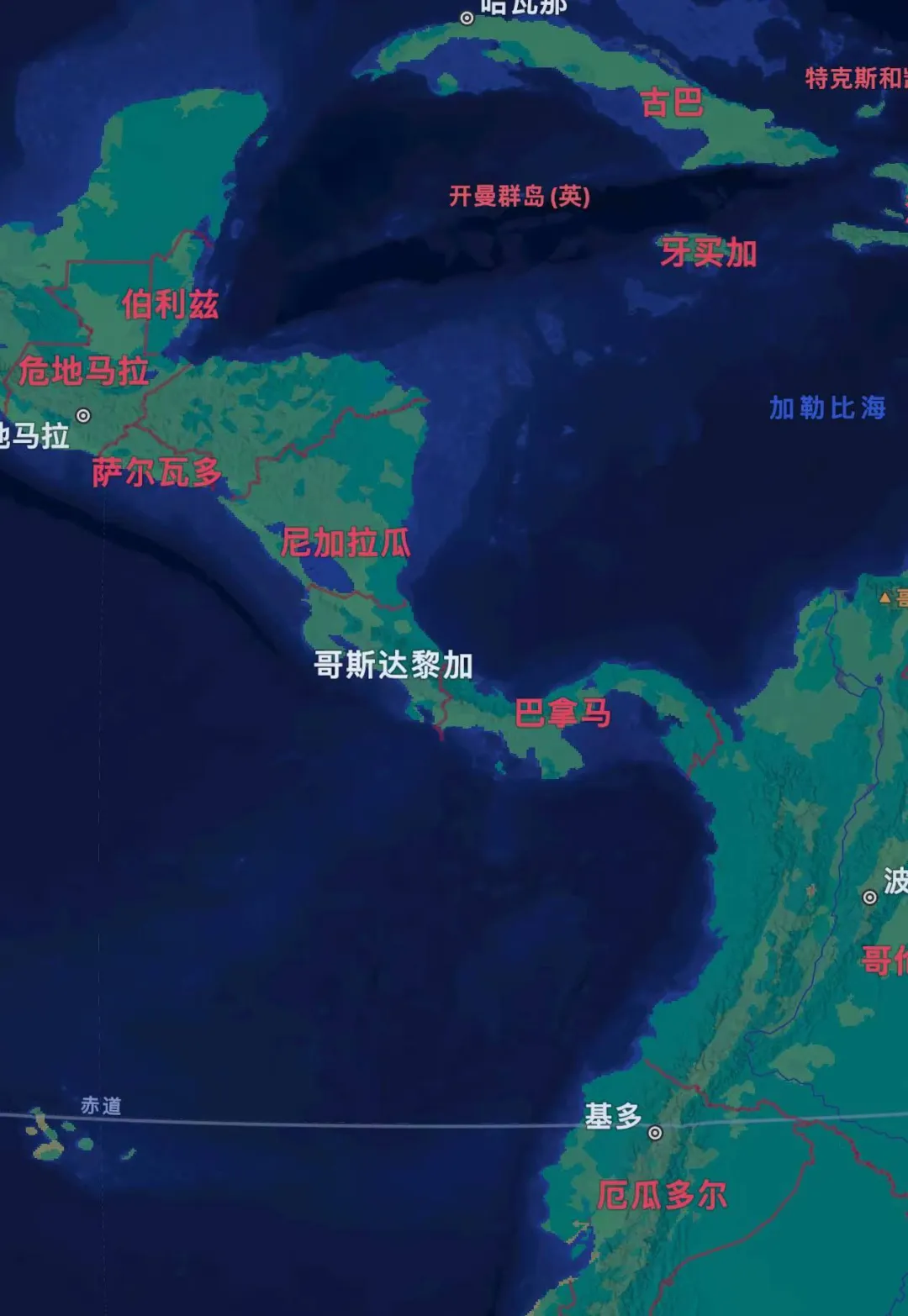
Located in the Central American isthmus, Costa Rica borders Nicaragua to the north, Panama to the south, faces the Caribbean Sea on one side, and the Pacific Ocean on the other. With a land area of approximately 51,100 square kilometers, the country is mostly mountainous, with over 200 volcanoes spread across the central region. Its soil is rich in minerals accumulated through volcanic activity. Climatically, the country can be divided into tropical and subtropical types, with the rainy season lasting from April to December and the dry season for the rest of the year. The central valley maintains a year-round temperature between 15 and 26 degrees Celsius, making it an ideal environment for coffee growth.
An Overview of the Seven Major Regions and the Prominence of Tarrazú
Costa Rica’s seven major coffee-growing regions are generally distributed along the central mountain range, each producing distinct coffee flavors due to differences in terrain, altitude, and microclimate. Among them,Tarrazúis located south of the capital, San José, and is the highest-altitude region in the country, ranging from 1,200 to 1,900 meters above sea level. With abundant rainfall and volcanic-rich soil, it has become a representative area for producing high-quality washed coffee. The Tarrazú coffee harvest typically runs from November to March each year, and its beans are known for their intense aroma and balanced flavor.
In addition to Tarrazú, other regions include:Central Valley (Valle Central)the birthplace of the country’s coffee industry, with elevations between 1,200 and 1,600 meters, a comfortable climate, and a winter-focused coffee harvest;Western Valley (Valle Central Occidental)with slightly lower altitudes (1,000–1,200 meters) and ample sunshine, where some farms still employ traditional sun-drying methods; whileTres Ríosthough the smallest region, is renowned as the “Bordeaux” of coffee due to the fertile soils of the Irazú volcano. In contrast,BruncaandTurrialbaare generally less distinguished in flavor due to altitude or climatic limitations.
Caturra and Catuai: The Plant Characteristics of Tarrazú’s Main Varieties
In the Tarrazú region, the most common coffee varieties areCaturraandCatuai. Both are dwarf coffee trees, well-suited for high-altitude dense planting. Caturra is a Bourbon mutation discovered in Brazil, with green leaves, short internodes, tightly clustered berries, and mostly red fruit. Its coffee beans are slightly elliptical, uniformly sized, but generally slightly larger than Catuai. Caturra thrives in high-altitude environments, yields high, but is susceptible to leaf rust, nematodes, and berry diseases, requiring good field management to mitigate risks.
Catuai is a hybrid of Mundo Novo and Caturra, developed by the Brazilian Agricultural Research Corporation. It resembles Caturra in appearance, but both its fruit and beans are smaller, and the tree remains compact, facilitating dense planting. Catuai also has high yield potential and is suited to high-altitude cultivation, though like Caturra, it has limited disease resistance and requires careful care.

Both varieties in Tarrazú are generally processed using the washed method, which not only preserves bright acidity but also enhances clarity in sweetness and layers.
Washed Processing Method and the Flavor Profile of Tarrazú Coffee
Washed coffee from the Tarrazú region typically undergoes refined washed processing, where the pulp is removed and mucilage is dissolved through fermentation, followed by washing and drying. This method preserves the purest flavor characteristics of the beans. This process results in bright fruity acidity, elegant sweetness, and delicate aromas.
Typical flavor notes include layers of sweet orange, nuts, honey, and caramel. The acidity is gentle yet not thin, the sweetness is full-bodied, and the aftertaste is long-lasting. These flavor combinations make Tarrazú coffee especially appealing to those who enjoy balanced taste profiles and bright characteristics.
Pour Over Recommendations and Extraction Parameters
If you have a pack of washed coffee beans from Tarrazú (such as a Caturra and Catuai blend, grown at around 1,500 meters), it is recommended to use beans roasted to medium-light to medium levels to highlight their bright acidity and complex aromas. Practical pour over suggestions are as follows:
- Grind Size: Medium-fine grind, similar to fine sugar or slightly coarser than white sugar
- Coffee-to-Water Ratio: 1:15 (e.g., 15 grams of coffee to 225 milliliters of water)
- Water Temperature: Around 92°C, adjustable by ±1°C based on personal taste
- Brewing Device: V60 dripper is preferred, but alternatives like Kalita Wave with similar designs can also be used
- Brewing Technique: Use a pulse pouring method, starting with a 30-second bloom, then pouring in 2–3 stages to reach the target volume, with a total brew time of about 2 minutes 30 seconds to 3 minutes
Notes: Before brewing, ensure the filter paper is fully rinsed to reduce paper taste interference. When pouring, aim for an even circular motion to avoid over-extraction in any single area. Also, it is recommended to use freshly roasted coffee beans (within 7–21 days post-roast) for optimal flavor performance.
In summary, Costa Rica’s Tarrazú region, with its unique geographical environment and rigorous cultivation and processing procedures, produces washed coffee with high recognizability and consistency. Whether you’re just starting out or already an experienced coffee enthusiast, gaining a deeper understanding of the characteristics of the Caturra and Catuai varieties from Tarrazú, along with appropriate brewing parameters, will allow you to more fully appreciate the unique charm of this Central American specialty coffee.
The above content is compiled by CoffeeHunters, a coffee news website.


