







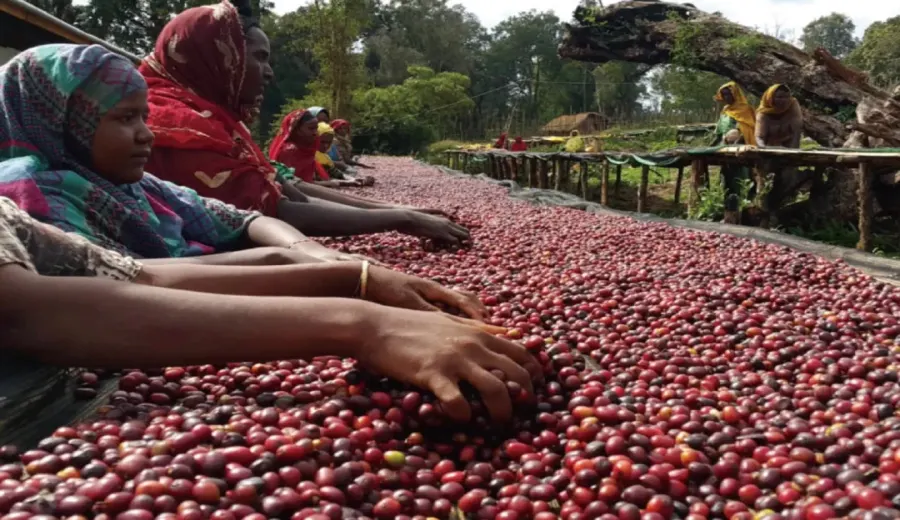
Introduction:The Kochere sub-region of Yirgacheffe in Ethiopia is renowned for its high altitude and washed processing method, producing coffee beans with distinct floral, citrus, and tropical fruit notes. This article delves into the geographical conditions and processing characteristics of the region, and analyzes the actual flavor profile and brewing recommendations of a washed Kochere bean, providing a comprehensive reference for readers interested in understanding the terroir of specialty coffee.
Ethiopia is considered the birthplace of coffee, not only because it is home to some of the world’s oldest wild coffee varieties, but also due to its unique geography and climate that nurture numerous coffee regions with distinctive flavors. Yirgacheffe is one of the most representative regions, and its Kochere sub-region, in particular, stands out with its washed processing and moderate altitude, showcasing a highly recognizable clean acidity and citrus character, making it a top choice for many pour over enthusiasts.
Located in the northeastern part of Africa, Ethiopia borders Djibouti, Somalia, Sudan, and several other countries. Over two-thirds of its land area consists of highland terrain, with an average elevation of about 2,450 meters and an annual temperature of around 16°C, resulting in a cool and stable climate. The country features the East African Rift Valley and numerous volcanoes, along with abundant rainfall and rich water resources, creating an ideal environment for coffee cultivation. Due to its relatively low level of industrialization, coffee farming is mostly carried out by smallholder farmers in home gardens, where coffee trees are often intercropped with other plants. After harvest, farmers typically select and sell the cherries to processing stations themselves. This traditional model remains the mainstream of Ethiopia’s coffee production to this day.
Yirgacheffe was originally part of the Sidamo region, but due to its unique flavor profile, it was designated as an independent region after 1972. Located on the eastern edge of the East African Rift Valley, it sits at an altitude between 1,750 and 2,200 meters. With a humid climate, significant day-night temperature variation, fertile soil, and ample sunshine, the coffee trees grown here produce beans that combine floral, lemony acidity, and tea-like qualities. Especially after the introduction of washed processing techniques, Yirgacheffe’s coffee has further exhibited clear citrus and green tea notes, contrasting with the richer style of the Sidamo region.
The Yirgacheffe region encompasses multiple sub-areas, including Wenago, Gedeb, Kilenso Mokonisa, and the focus of this article—Kochere. Kochere is located about 25 kilometers southeast of Yirgacheffe, at an altitude ranging from 1,650 to 1,800 meters. Although slightly lower in elevation than the core area of Yirgacheffe, it still falls within the high-altitude cultivation zone. Thanks to its thriving coffee industry, relatively well-developed processing facilities, and the overall reputation of Yirgacheffe, the washed coffee beans produced here exhibit a high degree of consistency in cleanliness and sweetness.
Coffee from the Kochere region typically features pronounced floral and citrus notes, along with layers of tropical fruit, delivering a clear flavor profile and a bright aftertaste. These flavor characteristics are mainly attributed to the slow ripening process enabled by the high altitude, which allows the coffee cherries to accumulate richer sugars and flavor compounds. Coupled with the washed processing method, which removes the pulp and impurities, the intrinsic flavors of the beans are further highlighted.
Take, for example, a washed coffee from the Kochere region produced by the Alium washing station. It uses local heirloom coffee varieties, grown at an altitude of approximately 1,650 to 1,800 meters, and undergoes washed processing followed by light roasting. This coffee exhibits bright jasmine-like aromas, with a cup that delivers fresh citrus and lemon acidity paired with tropical fruit sweetness, all wrapped in a smooth and layered mouthfeel. This flavor combination is typical of Kochere washed beans and also makes it an excellent entry-level choice for pour over coffee.
If you’d like to try brewing this style of Kochere washed coffee at home, it is recommended to use a V60 dripper with a coffee-to-water ratio of 1:15, and a water temperature around 92°C. Start with a medium-fine grind size (approximately the size of granulated sugar), pre-wet the filter paper and rinse the coffee bed, then proceed with extraction using a center-pour and gradual expansion method. The total brewing time is advised to be around 2 minutes to 2 minutes and 30 seconds. Such parameters effectively bring out the citrus acidity and floral notes of the beans, while avoiding over-extraction that could lead to bitterness.
In summary, the coffee from the Kochere sub-region of Yirgacheffe in Ethiopia, with its high altitude and washed processing, showcases a cleanliness and sweetness distinct from other regions. Whether you’re a beginner or an advanced enthusiast in the world of specialty coffee, understanding the origin background and processing characteristics of these beans can help you appreciate and select them more precisely, further enhancing your coffee tasting experience and enjoyment.
The above content is compiled by CoffeeHunters, a coffee news website.


