







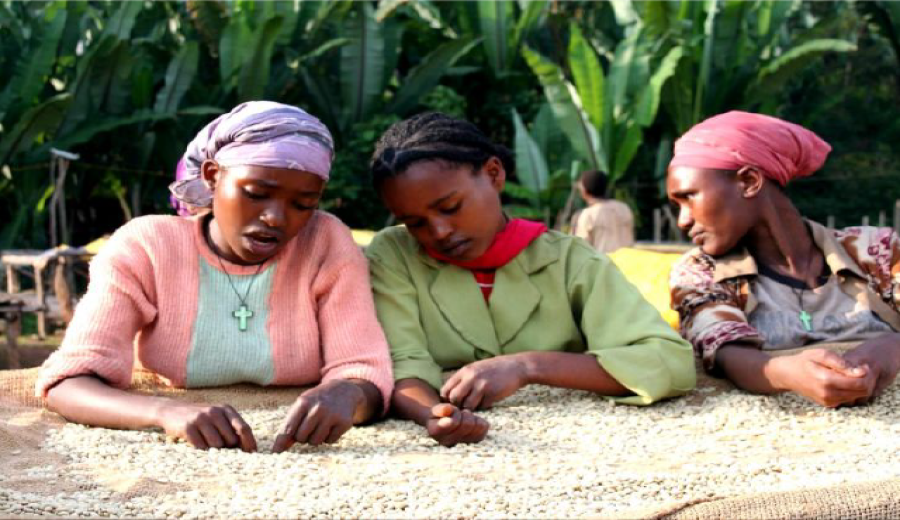
Introduction:Want to understand how Bench Maji in Ethiopia gives rise to top-tier Geisha? This article will take you through the region’s geography and terroir, the development history of the Gesha Village Coffee Estate, and the unique flavors of the Gold Label batch—unveiling the secrets behind this star coffee bean step by step. We also provide practical V60 pour over parameters to help you fully experience its berry aroma and floral tea aftertaste.
Ethiopia, known as the birthplace of coffee, is not only a major global producer of Arabica beans but also home to the world’s richest coffee genetic repository. The Bench Maji region in the country’s southwest is one of the origins of the famous Geisha variety. The Gesha Village Coffee Estate here, with its rigorous plot management and scientific grading system, has successfully cultivated the highly acclaimed Gold Label Geisha coffee beans, becoming a dream offering for coffee enthusiasts.
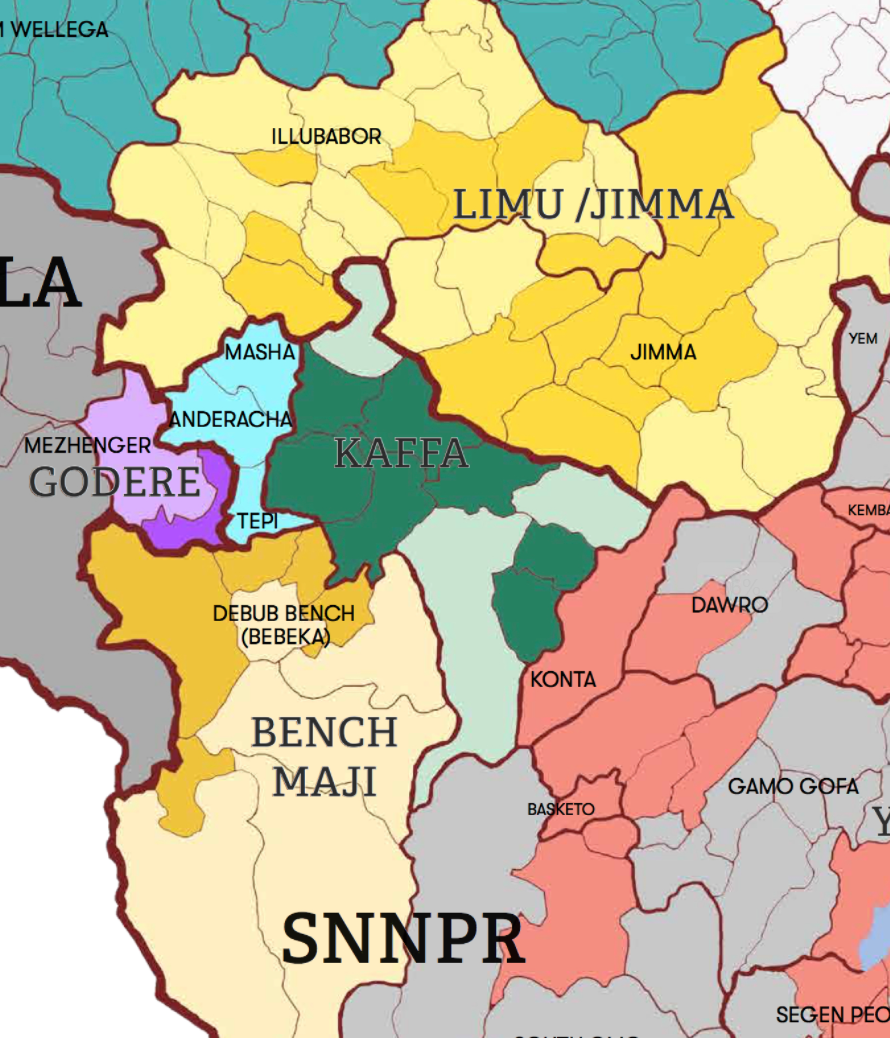
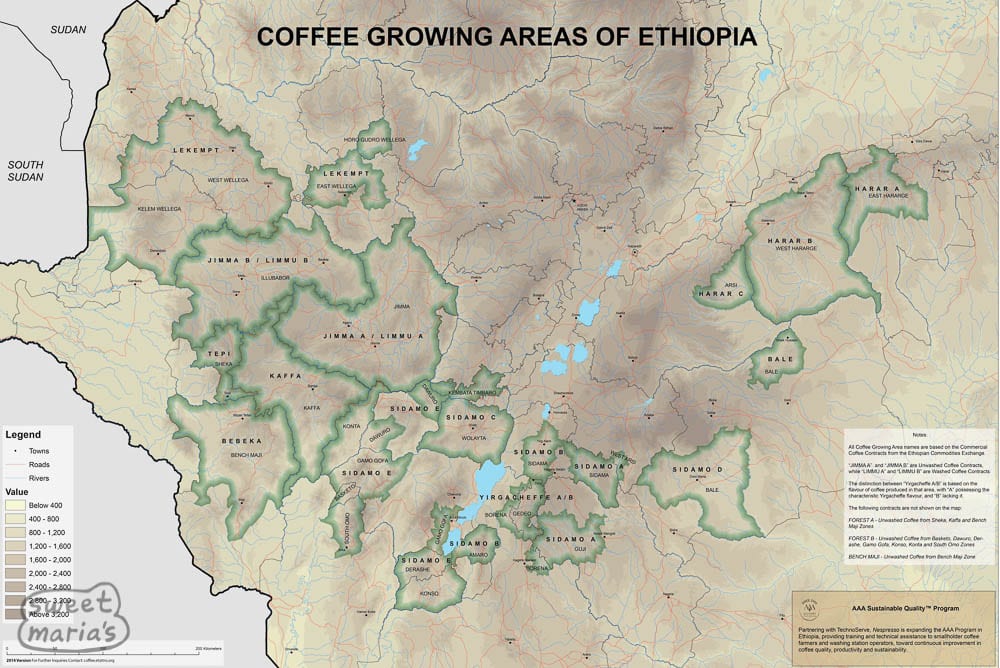
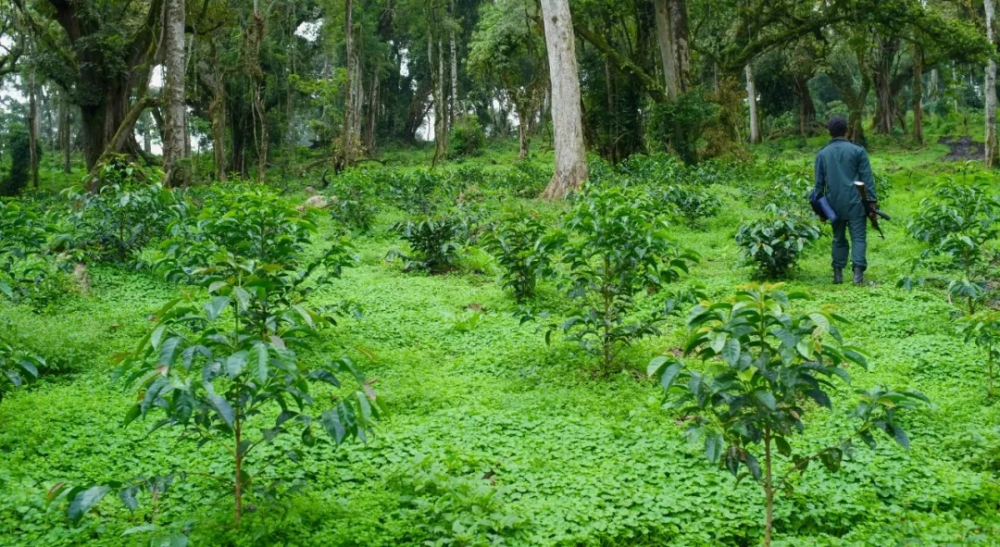
Bench Maji is part of Ethiopia’s Southwest State, bordering South Sudan, and is characterized by highlands and pristine forests with extremely high biodiversity. This area was primarily a nature reserve in its early days, preserving a large number of wild coffee tree species, and the Geisha variety originates from the Gori Gesha Forest here. Due to its proximity to the legendary birthplace of coffee, Kaffa, along with its high altitude and favorable microclimate, Bench Maji has gradually become a golden zone for Geisha cultivation.
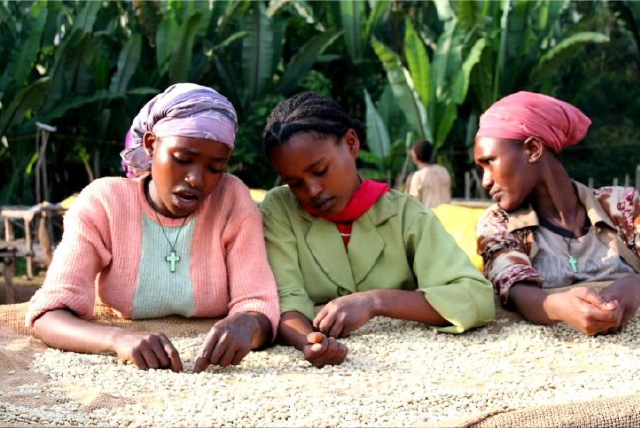
The Gesha Village Coffee Estate was established in 2009 by documentary filmmaker Adam Overton and photographer Rachel Samuel. While filming a documentary for the Ethiopian government in the Bench Maji region, they discovered the native Geisha variety in the Gori Gesha Forest and, inspired by what they found, decided to create a premium coffee estate centered around Geisha. Currently, the estate spans 471 hectares, divided into eight independent plots, each dedicated to a single variety: Gesha 1931, Gori Gesha, and Illubabor Forest 1974, with a strict tracking system managing every step from harvesting to export.
In terms of varieties, Gesha 1931 is considered the strain closest to the Panamanian Geisha parent and is known for its bright acidity, rich berry and floral notes. Gori Gesha originates from a native variety found in the forest near the estate, featuring a unique wild character and complex layers. Illubabor Forest 1974 comes from an ancient forest nearby, showcasing a full body and varied flavor tones. The coffee cherries from each plot are clearly labeled after harvest to ensure accurate traceability of the final flavor.
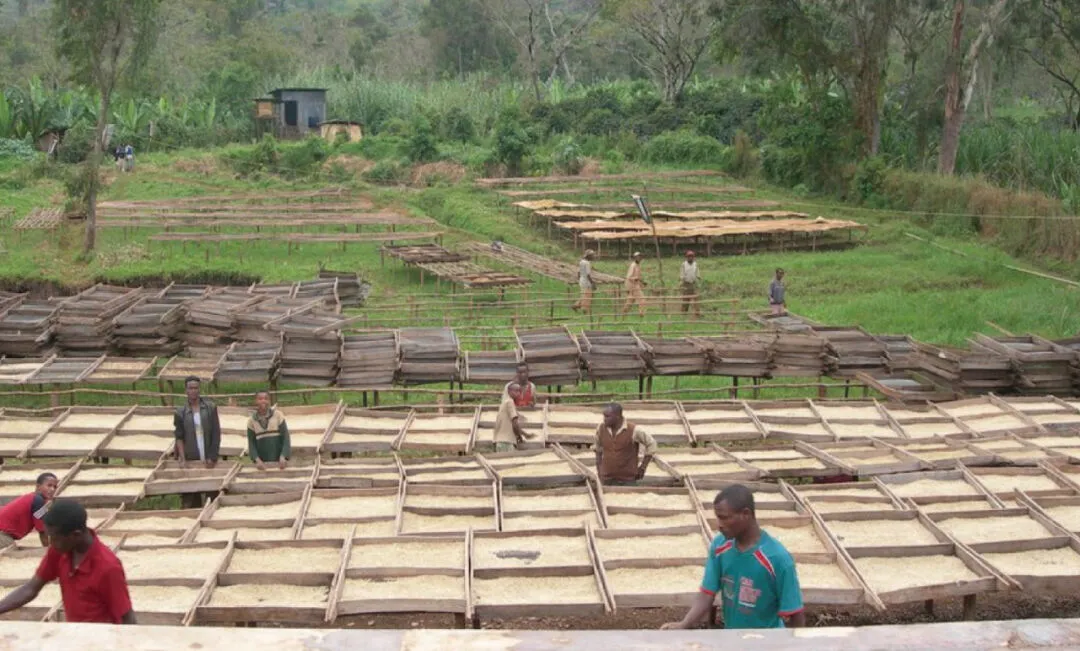
The grading system at Gesha Village Coffee Estate differs from traditional Ethiopian methods and instead follows international specialty coffee market conventions, divided into five categories: auction lots, Gold Label, Red Label, Green Label, and Chaka lots. Among them,the Gold Label lot accounts for only 10% of annual production, representing high-quality non-auction offerings. It undergoes refined processing and strict selection. This year’s Gold Label Geisha from a certain brand comes from the Oma plot and usesa 32-day natural sun-drying process, fully preserving fruity and floral flavor profiles.
This Gold Label Geisha demonstrates exceptional balance when brewed: upon opening the bag, distinct berry and citrus aromas are immediately apparent. On the palate, the sweetness of melon intertwines with the elegant aroma of chamomile, and the finish offers a silky smoothness and lingering taste akin to tea soup. It is highly favored by cuppers and consumers alike. With a clear flavor profile and distinct layers, it is an excellent choice for exploring the potential of Geisha.
If you want to brew a cup at home that rivals the estate level, here are professional-grade V60 pour over recommendations: use15 grams of coffee grounds, a1:15 coffee-to-water ratio, andfine sugar-level grind (approximately 80% passing through a #20 sieve), with water temperature controlled at91-92℃[temperature not provided]. Start with a 30-second bloom using 30 grams of water, pouring in small circles from the center outward to ensure even saturation of the coffee bed; then pour 120 grams of water to raise the coffee bed, maintaining a steady vertical flow, reaching approximately 150 grams by around 55 seconds; finally, pour 90 grams of water in small circles, operating when the liquid level has dropped halfway, for a total drip time of about 2 minutes and 10 seconds, with a total water volume of 240 grams. After brewing, gently swirl the server to allow the flavors to evenly release before enjoying.
The above content is compiled by CoffeeHunters, a coffee news website.


