







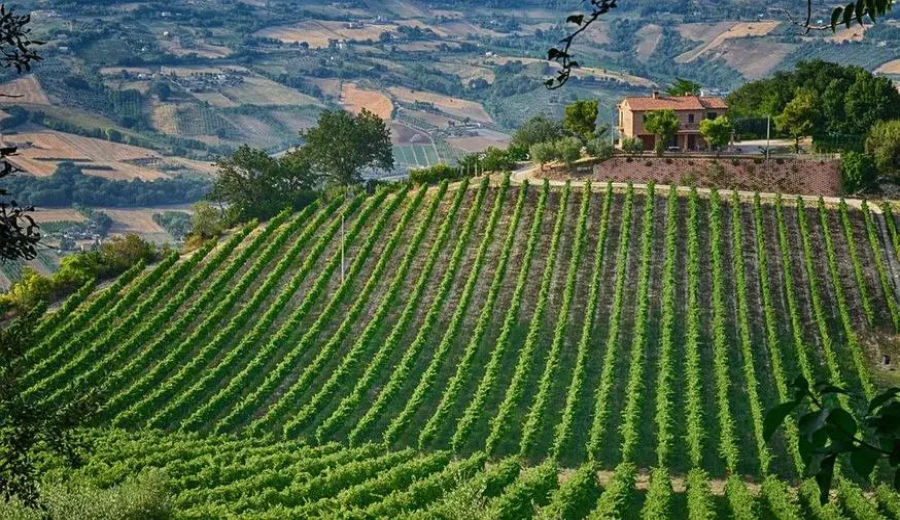
Introduction:As the world’s largest coffee producer, Brazil has recently maintained steady export performance, but extreme weather and health crises are quietly reshaping the market landscape. Key producing regions such as Minas Gerais are experiencing their worst drought in 40 years, coupled with a raging dengue fever epidemic. These not only threaten the current harvest, but could also bring the 2024/25 new season to a standstill. This article delves into the interplay between natural disasters, epidemics, and market expectations to help coffee professionals and consumers grasp the key variables.
Brazil’s coffee exports showed strong momentum in the 2023/24 season, but potential crises are gradually emerging. According to official statistics, although sales progress this season reached 84%, on par with last year—with Arabica varieties at 80% and Robusta even higher at 91%—demonstrating continued strong market demand, the pre-sale ratio for the 2024/25 new season is only 11%, a sharp drop of 14 percentage points from the same period last year, reflecting deep concerns among industry players about future yields.
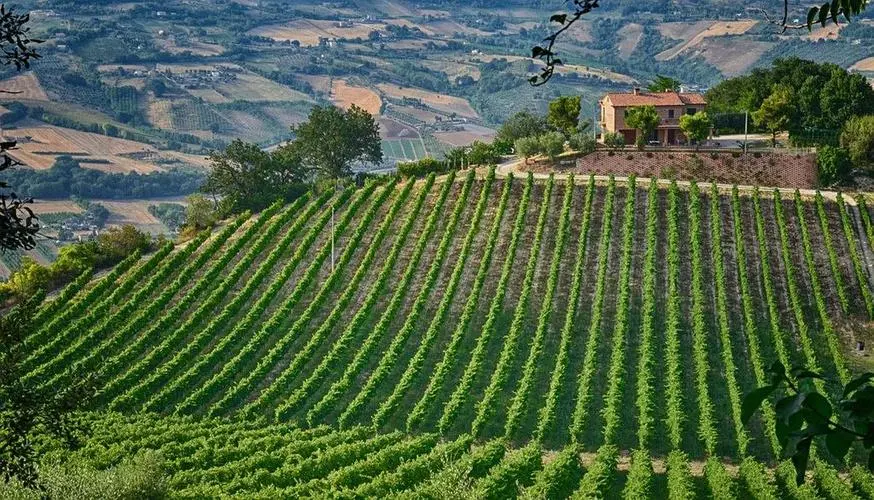
Minas Gerais, as the core Arabica coffee-producing region in Brazil, contributes about 30% of the country’s total output, but is currently facing an unprecedented drought threat.The region has recently received only 6.6 mm of rainfall, just 16% of the historical average.Such extreme water scarcity, if it persists, will directly impact the flowering and fruiting cycles of coffee trees. Notably, meteorological models predict that the probability of a La Niña event has climbed to62%, which may bring lower temperatures and increased frost risk to the southeastern region, further weakening coffee production capacity.
On the epidemic front, data from Brazil’s health authorities show that the number of confirmed and suspected dengue cases nationwide has surpassed 1.8 million, resulting in 561 deaths, with experts estimating the final tally could reach 4.2 million.Eight major producing states, including Minas Gerais, have declared a public health emergency.The harsh environment, with rampant mosquito breeding, not only directly endangers the health of coffee farmers but also leads to a severe shortage of harvest labor. Although some large farms have introduced mechanized harvesting, many specialty Arabica estates still rely on manual selection, and labor shortages will directly affect bean quality and yield.
Market trading data reveal more subtle changes: although reduced Robusta supplies from Vietnam and Indonesia, along with instability in Red Sea shipping prompting buyers to turn to Brazil, have pushed sales progress for that variety up to 91%, international buyers are becoming more cautious about price trends.One of the main reasons for the current low pre-sale progress is that traders believe current quotes are too high, particularly for the Robusta variety,leading to a significant decline in purchasing willingness. In addition, surging demand from the Chinese market—Brazilian coffee bean imports in the first two months of 2024 skyrocketed by 158.5% year-on-year—has further distorted the supply-demand balance.
Industry experts caution that the current situation will have differentiated impacts on producers of varying scales. Large exporters can still maintain stable supply thanks to existing contracts and inventory, but small and medium-sized farms may face cash flow pressure due to price volatility and yield uncertainty.The Minas Gerais Federation of Industries in Brazil estimates that the dengue epidemic could cause economic losses exceeding 20 billion Brazilian reais (approximately 4 billion US dollars), with medical expenses and industrial losses each accounting for half. This economic blow will force many coffee farmers to hold onto inventory, waiting for a better time to sell.
For coffee enthusiasts, this round of regional crises may mean price fluctuations and flavor variations in the coming seasons.Coffee beans grown under drought conditions often have a richer body and lower acidity, but if frost occurs, it may introduce sharp herbal off-flavors.Consumers are advised to pay attention to origin information and roast dates when making purchases, and to understand the complex factors behind price adjustments. The current market uncertainty also highlights the importance of diversified origin portfolios and proper inventory management.
The above content is compiled by CoffeeHunters, a coffee news website.


