







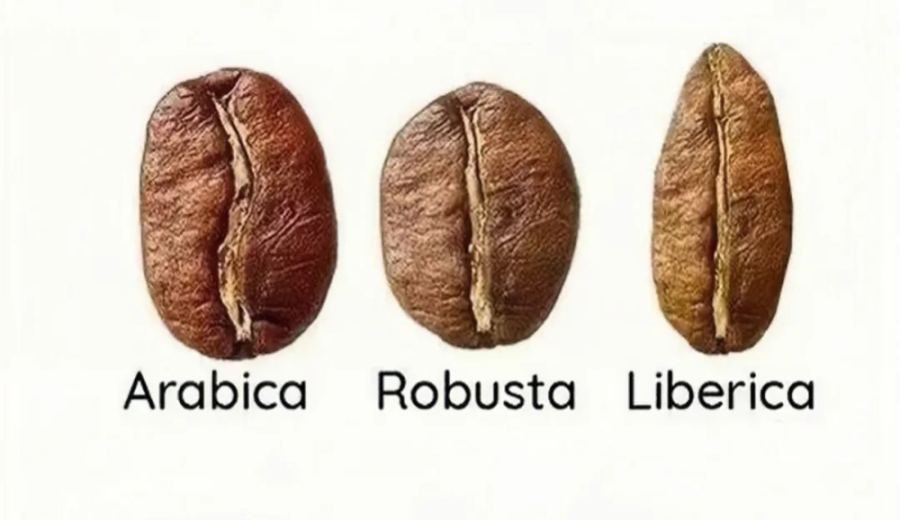
Introduction:Did you know that within the delicate and refined world of Arabica coffee, there hides a "giant" variety? Maragogype, also known as Elephant Bean, is the largest mutation within the Arabica species, even surpassing the size of Liberica. This article will delve into its discovery history, genetic origins, unique flavor characteristics, as well as the high barriers to cultivation and reasons for its market scarcity. We’ll also clarify the dual concept of "Elephant Bean" as both a variety and a grading term, helping you gain a more comprehensive understanding of this "giant" in the coffee world.
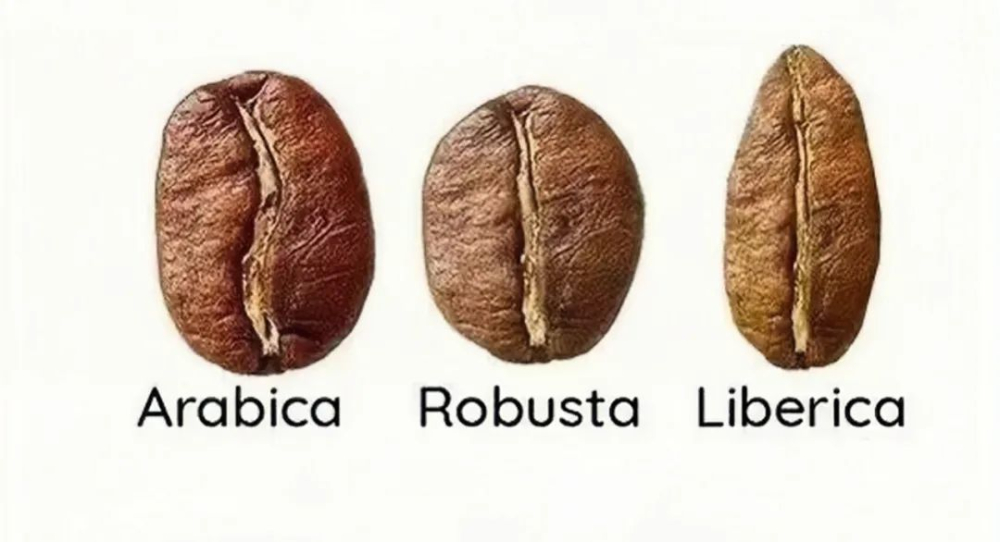
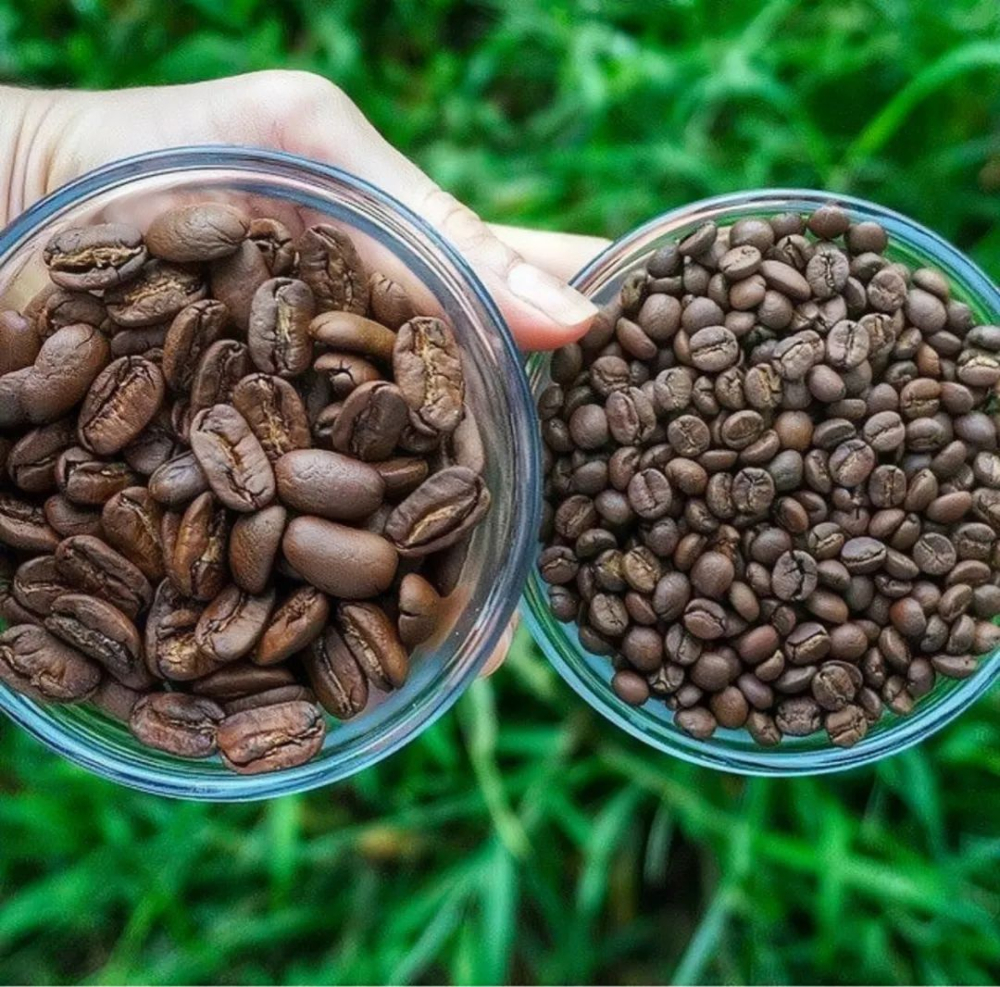
Within the large family of coffee, Arabica, Robusta, and Liberica are the three main varieties, each with distinct characteristics and suitable applications. Among them, the petite Arabica has surprisingly given birth to a remarkably large "giant"—that is, Maragogype, nicknamed the "Elephant Bean." The size of this coffee bean can be up tothree timesthat of a regular Arabica bean, and it’s even sturdier than Liberica, earning its title as the giant of the coffee world.
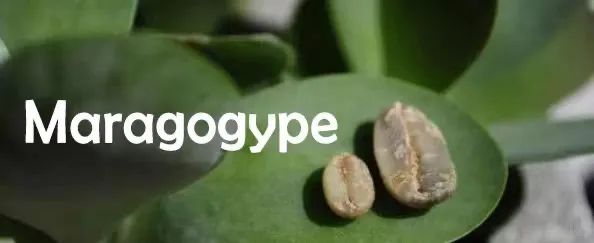
Maragogype was first discovered in1870in the Maragogype region of eastern Bahia, Brazil, hence its name. Surprisingly, despite its massive appearance, genetically it is a mutation of Typica, belonging to the Arabica family. Many people at the time mistakenly thought it was Liberica, mainly because its emergence coincided with the period when Arabica was being ravaged by leaf rust disease. Some coffee farmers turned to planting Liberica as an alternative, and Maragogype was misclassified due to its size.
Upon closer inspection, you’ll find that not only are the beans themselves unusually large, but the leaves, stems, and overall plant structure of Maragogype are also thicker and sturdier than those of typical varieties, requiring significantly more space and nutrients for growth. However, in contrast to its imposing appearance, its yield is relativelylow and slow-growing,making the input-to-output ratio highly unfavorable and posing considerable pressure on coffee farmers.
In terms of flavor, however, Maragogype delivers a performance that is no less impressive than that of regular Arabica. It often features brightcitrus acidityalong with sweet berry-like notes, offering a full-bodied and silky mouthfeel, which is beloved by some specialty coffee enthusiasts. But due to its long growth cycle, high care requirements, and susceptibility to climate impacts, very few farms actually cultivate it, and it is currently mainly found in specific regions of Central and South America.
It’s worth mentioning that Maragogype has a longer maturation period compared to regular Arabica, which poses a significant challenge for farmers seeking fast crop rotation and returns. The time cost of waiting, coupled with unpredictable weather factors, leads most coffee farmers to opt for other more "economically viable" varieties. As a result, Maragogype is typically only grown on large estates with ample land and resources.
Additionally, regarding the term "Elephant Bean," besides referring to the specific Maragogype variety, in some coffee-producing countries, it is also used as aterm for bean size grading.For example, in some places, coffee beans with a screen size larger than20 mesh (approximately 8 millimeters or more)are collectively referred to as "Elephant Beans." This refers to the physical size of the beans, not the variety itself. Therefore, when purchasing or reading coffee information, consumers should pay attention to distinguishing between the "Elephant Bean variety" and the "Elephant Bean grade" to avoid confusion.
In summary, Maragogype, as the "giant" of the Arabica family, is in itself full of surprises and challenges. It not only showcases the diversity of coffee plant genetics but also reminds us that behind every cup of coffee lies untold cultivation hardships and natural wonders. If you’re an enthusiast who loves exploring unique bean varieties and seeking new pour over experiences, you might want to take a deeper look at this Brazilian coffee giant—it may just add an unforgettable chapter to your coffee adventures.
The above content is compiled by CoffeeHunters, a coffee news website.


