







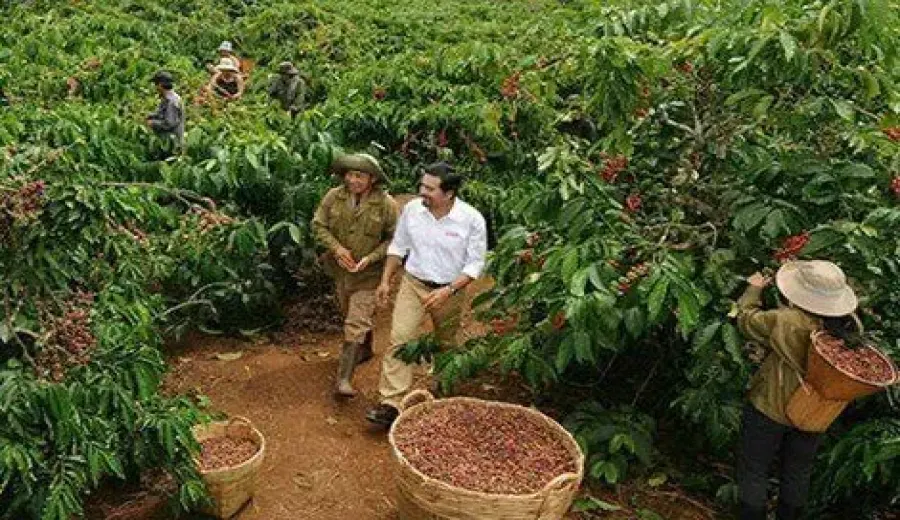
Introduction:As the world’s largest producer of Robusta coffee, Vietnam is facing a triple blow from drought, farmers switching crops, and climate change, leading to an estimated 20% drop in output. With domestic purchase prices soaring to between 103 million and 107 million Vietnamese dong per ton, and London futures prices rising over 50% year-on-year, how will this crisis impact the global coffee market? This article delves into the key factors and market trends behind the situation.
The global Robusta coffee supply chain is encountering challenges rarely seen in recent years. As the largest producing region for this variety, Vietnam is grappling this year with scarce rainfall, farmers shifting to more profitable fruit crops, and the lingering effects of the El Niño phenomenon. The combined impact has led industry experts to predict a potential decline in coffee production of around 20%. Meanwhile, domestic coffee purchase prices in Vietnam have rapidly climbed to between 103 million and 107 million Vietnamese dong per ton—equivalent to 29,000 to 31,000 RMB—reaching a multi-year high. At the same time, London Robusta coffee futures have risen over 50% in just one year, signaling a growing imbalance between global supply and demand.
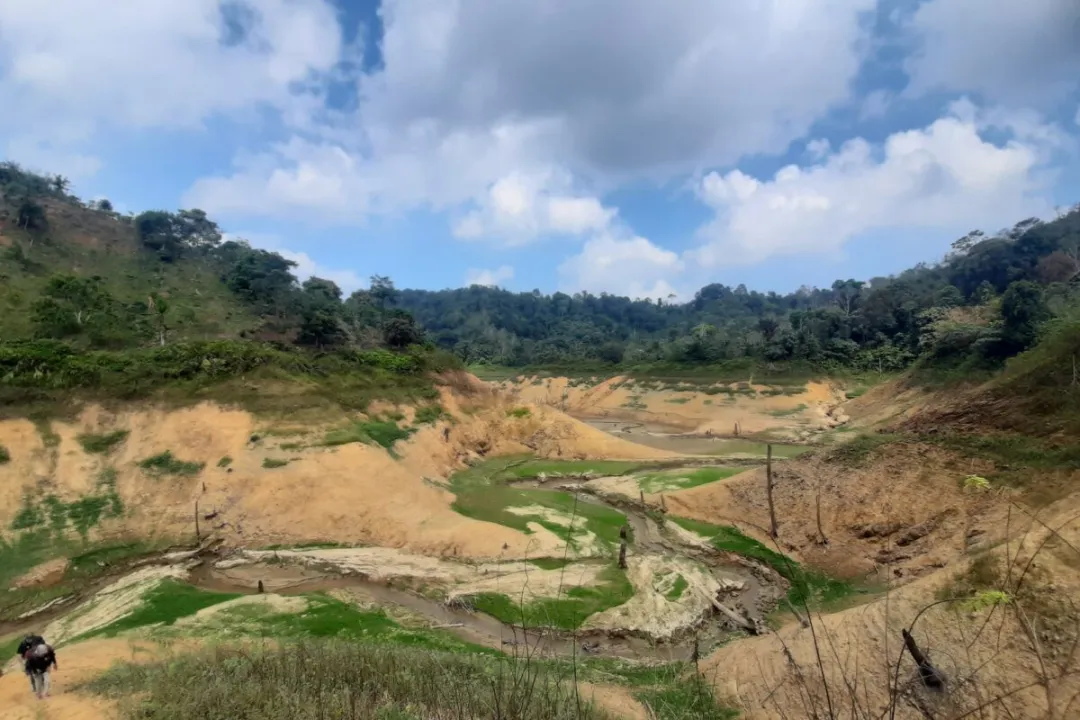
Vietnam’s coffee harvest season typically runs from October to March each year, followed by a hot dry season beginning in April. However, this year’s situation is particularly severe. According to observations by local traders in Vietnam, while the dry season was expected, this year’s rainfall has been the lowest in the past decade. Monitoring data from February to March show that major central and southern producing regions received almost no rain, with temperatures averaging 1 to 3 degrees Celsius higher than usual. Such high temperatures and dry conditions not only directly affect the growth of coffee trees but have also caused significant drops in water levels in vital rivers such as the Mekong, with some areas even beginning to experience soil salinization—raising concerns for the upcoming irrigation and growing seasons.
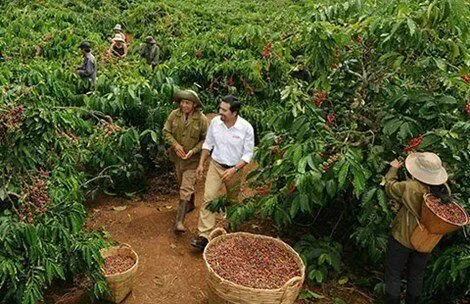
Beyond weather factors, a shift in farmers’ planting intentions is another major contributor to the decline in coffee output. In recent years, many coffee growers have turned to cultivating higher-value fruits such as durian, avocados, and mangoes. Among these, mango exports have performed especially well. According to Vietnamese media reports, in An Giang Province alone, dozens of tons of mangoes are being prepared for export recently, including 7 tons bound for Australia and the United States, 13 tons shipped to South Korea, and substantial orders from markets such as China and Japan. The high returns in the fruit market are attracting farmers to switch crops, causing Vietnam’s coffee cultivation area to continue shrinking. As a result, the Vietnam Coffee Association estimates that this year’s total coffee output may plummet by 20% compared to last year’s 1.84 million tons, with exports also set to decline from the previous year’s 1.67 million tons.
Global climate anomalies have further exacerbated this wave of production declines. Meteorological agencies in multiple countries point out that although the El Niño phenomenon between 2023 and 2024 is expected to end around April 2024, its lingering climatic impacts are still unfolding. Particularly in Southeast Asia and South America, frequent heatwaves are not only affecting major coffee-producing regions such as Brazil and Indonesia but are also putting Vietnam’s coffee trees under harsher growing conditions. A report by Brazilian investment advisory firm hEDGEpoint shows that cumulative rainfall in the country’s Robusta-growing regions in 2023 was the lowest in a decade. Although rainfall stabilized somewhat in early 2024, it remains insufficient to make up for the damage caused by high temperatures and drought during the fourth quarter of last year.
Geopolitical variables have also added uncertainty to Vietnam’s coffee exports. Due to the ongoing Red Sea crisis, frequent attacks on ships by Houthi militants in the Red Sea have disrupted Eurasian shipping routes, forcing many vessels to halt operations or take detours. This has not only prolonged transportation times but also significantly increased costs. Against this backdrop, Vietnam has gradually shifted its market focus toward Asia, particularly the Chinese market. It is reported that Vietnam’s National Assembly Chairman Vuong Dinh Hue will lead a delegation to visit China from April 7 to 12, with expectations to further promote bilateral economic and trade cooperation and seek more opportunities for exporting agricultural products such as coffee.
Overall, the Robusta coffee production crisis in Vietnam is not just an issue for a single producing region but a critical variable affecting the global supply chain. For consumers and traders alike, fluctuations in coffee prices and changes in flavor profiles over the coming period are worth close attention. Understanding regional dynamics and keeping abreast of market trends will help in making smarter purchasing and brewing decisions.
The above content is compiled by CoffeeHunters, a coffee news website.


