







Introduction:Pour over coffee, with its simple operation and distinct flavors, has become the top choice for many coffee enthusiasts. However, the experience of brewing the same coffee beans using hot water versus cold water can be vastly different. This article will delve into the differences in key parameters such as grind size, water temperature, and brew ratio between hot pour over and Japanese-style iced pour over. It will analyze why hot brewing is better at showcasing the full layers and rich flavors of coffee, and provide recommendations for pour over beans suited to different taste preferences to help you find your ideal choice.
Thanks to its simplicity and ability to quickly highlight the character of coffee, pour over has long been a common offering in coffee shops worldwide. However, choosing between hot and iced brewing for the same coffee bean often leads to completely different taste experiences. Many people are asked when ordering at cafes: “Would you like it hot or cold?” If you want to fully appreciate the unique flavors of the coffee beans themselves, you’re usually advised to go for hot brew. This raises questions for many: does iced brew really fail to deliver the full flavor?
In fact, the reason hot brew is often considered the preferred method for showcasing the original flavors of coffee is closely related to its extraction parameters and flavor release mechanisms. The process and parameters of hot brewing align more closely with the classic Golden Cup extraction theory, effectively bringing out the aromatic compounds and multi-layered mouthfeel of coffee. Iced brew, especially the popular Japanese-style iced pour over, is an adapted and refined version based on hot brewing. While it has the advantages of being clean and refreshing, it usually falls slightly short in terms of flavor complexity and layering continuity.
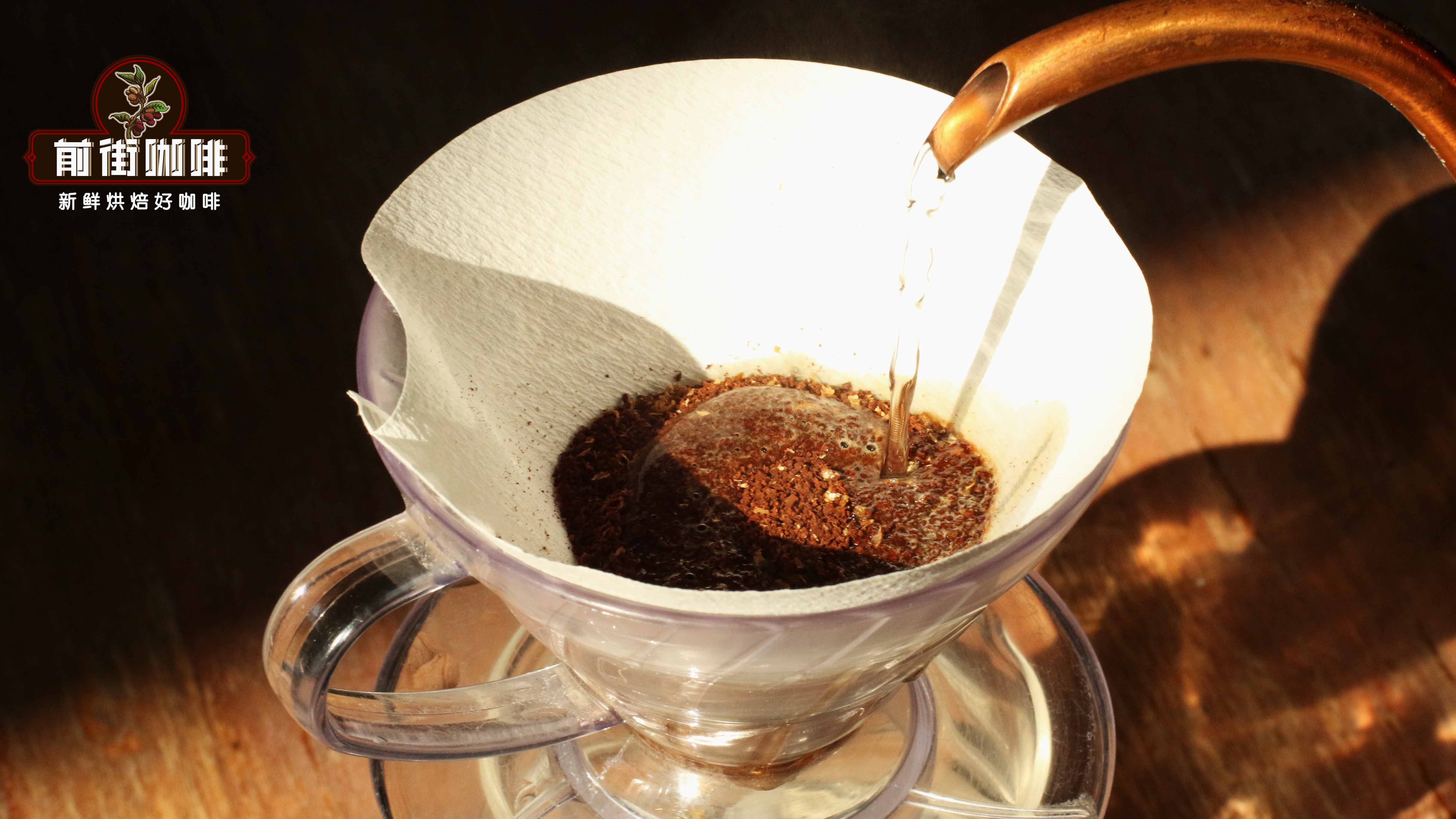
Taking commonly used light roasted beans as an example, the standard parameters for hot pour over are typically: 15 grams of coffee grounds, using a grind size similar to coarse sugar (for example, Ek43 grinder setting 10, about 80% passing through a #20 sieve), water temperature controlled at around 92°C, and a brew ratio set at 1:15 (i.e., 15 grams of coffee to 225 milliliters of hot water), with the entire extraction process taking about 2 minutes. This combination ensures that the aromatic compounds and the balanced flavors of acidity, sweetness, and bitterness in the coffee are extracted more fully.
In contrast, the parameters for Japanese-style iced pour over are adjusted: still using 15 grams of coffee, but with a finer grind (Ek43 setting around 9.5, about 75% passing through a #20 sieve). Although the water temperature remains at 92°C, the actual amount of hot water used for extraction is reduced—150 milliliters of hot water are used along with 90 grams of ice, resulting in an overall brew ratio of 1:10, and the extraction time is shortened to about 1 minute and 30 seconds. This approach is mainly designed to accelerate cooling and prevent over-extraction or the development of unwanted off-flavors due to prolonged brewing at high temperatures.
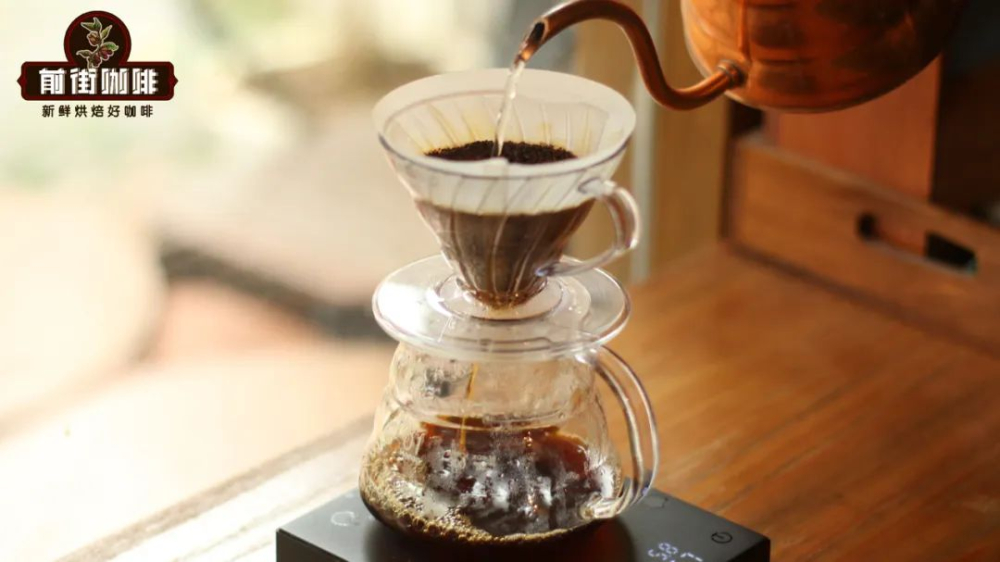
However, this logic of “high concentration with low extraction volume” in iced brewing is actually a compromise strategy. Since the total amount of hot water is less, extracting according to the standard brew ratio and then adding ice would result in either overly concentrated coffee or diluted flavors that are unbalanced. Therefore, the coffee is first extracted at a higher concentration quickly, and then ice is added to adjust it to a suitable drinking strength. Nevertheless, this approach still struggles to fully compensate for the later-stage flavors that are not adequately released due to the shorter extraction time and smaller water volume—especially some delicate sweetness and aftertaste, which are often limited as a result.
For this reason, if your goal is to experience the full profile of a coffee bean—including rich aroma variations, transitions of acidity and sweetness, and layered aftertaste—hot pour over is undoubtedly the more ideal choice. Hot brewing not only gradually releases various flavor compounds during extraction, but also allows the flavors to evolve as the coffee cools slowly from around 70°C right after brewing, transitioning from bright fruit acids to rich nutty or chocolatey tones, delivering a more three-dimensional taste journey.
Of course, this doesn’t mean iced brewing has no advantages. Due to its low-temperature extraction and relatively quick brewing process, iced brew often results in a cleaner and crisper mouthfeel, with a more direct sweetness, making it particularly suitable for summer consumption or when a lighter taste is desired. For consumers who prefer a simpler profile and enjoy fresh, bright flavors, iced pour over is also a great option.
If you’re torn between hot and iced brewing, or hoping to find a coffee bean that performs well in both methods, the following recommendations may offer some direction. For those who enjoy prominent floral and fruity aromas, consider trying several light to medium-light roasted coffee beans (with notes of passionfruit, grapes, and apricots; exuding guava and cream strawberry tones; or blending rose, raisin, and berry scents)—these beans perform exceptionally well when brewed at home.

On the other hand, if you prefer low-acidity or coffee with nutty and chocolatey undertones, it’s advisable to start with medium to dark roasted beans. For those seeking completely non-acidic options, a well-known brand’s PWN Golden Mandheling is worth considering; if you’d like a touch of acidity along with nutty notes, a certain brand’s Queen Estate and Bird of Paradise are also excellent premium choices. These beans can showcase a solid body and sweetness when hot brewed, and maintain a clear flavor profile when iced brewed, suiting the needs of different seasons and drinking scenarios.
The above content is compiled by CoffeeHunters, a coffee news website.


