








Introduction:Did you know? "Java" not only represents an important coffee-growing region in Indonesia, but is also the name of a classic coffee variety, and is sometimes even used as a general term for a certain style. This article will take you from the geography and historical background of Java Island to delve into the development trajectory of local coffee, exploring the introduction of Typica during the Dutch colonial period, the rise of Robusta later on, and clarifying the true origin and characteristics of the Java variety. By the end, you’ll have a deeper understanding of the multiple meanings of Java coffee.
In the world of coffee, the word "Java" carries multiple meanings. It is both one of Indonesia’s major coffee-growing regions, the name of a specific coffee variety, and in some contexts, a general term for a certain style. If you’ve ever been confused about the relationship between "Java coffee" and the "Java variety," this article will help clarify these concepts.
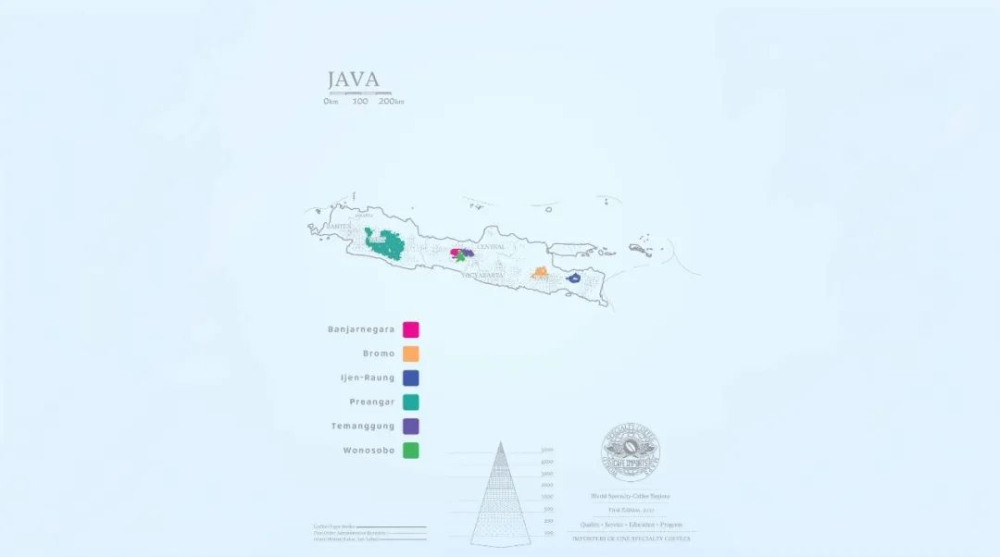
Let’s start with Java Island. Java is the fifth-largest island in Indonesia, located between Bali and Sumatra, bordered by the Indian Ocean to the south and the Java Sea to the north. This island is not only one of the most densely populated regions in the world, but also Indonesia’s second-largest coffee-producing area, second only to Sumatra, which accounts for about 60% of the country’s total production. When people think of Java, they might recall the spectacular volcano introduced by Lonely Planet — it is one of Java’s most iconic landmarks.

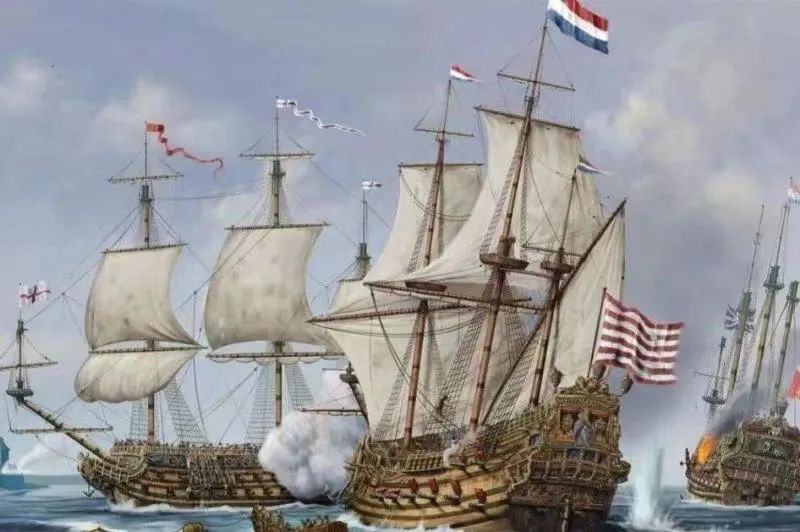
The history of coffee cultivation on Java dates back to the 17th century. At that time, the Dutch, known as the "carriers of the sea," gained control of Indonesia through military force and introduced Typica coffee seedlings, which they had obtained from Yemen, to Java. This move not only established Java’s position on the global coffee map but also had a profound impact on world coffee trade. Thanks to Java’s favorable climate conditions, Typica thrived here, producing coffee with stable quality that became a cornerstone for the Dutch expansion in global coffee trade, thereby breaking Yemen’s monopoly on coffee.
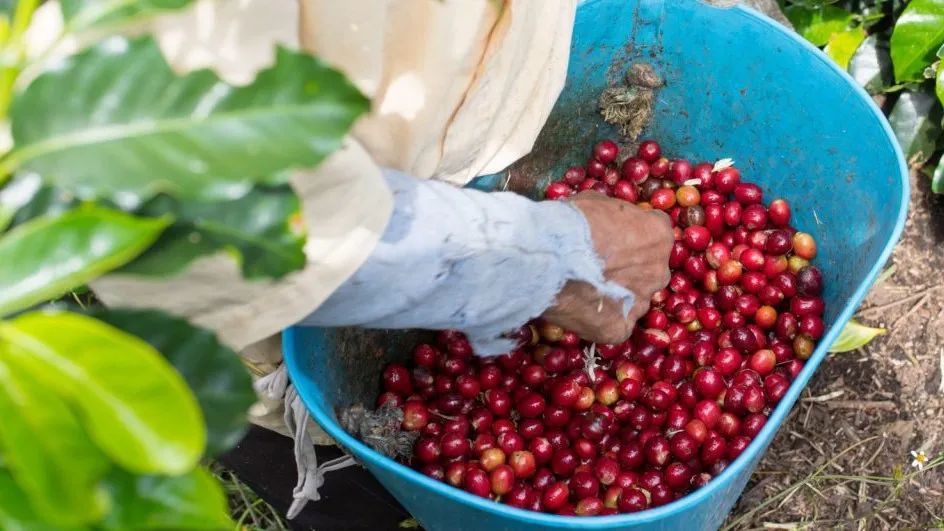
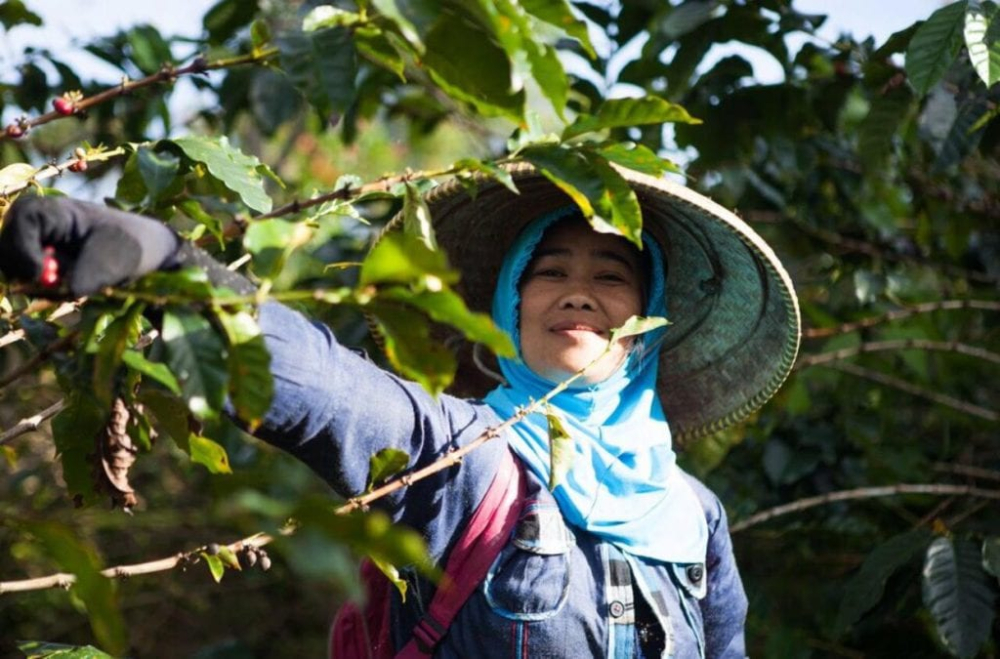
Early coffee grown in Java was predominantly Arabica, and these coffees were collectively referred to as "Java coffee" due to their unique flavors. However, over time, continuous pest and disease attacks severely impacted the disease-susceptible Arabica, leading Indonesia to gradually shift toward planting the more disease-resistant Robusta, and even pure Robusta varieties, which eventually became mainstream in the later period.
So, what exactly is the "Java variety"? Many might guess that since this variety is named after Java Island, it was likely discovered or evolved there. But that’s not the case. The Java variety is not native to Indonesia, but originated in Ethiopia and was introduced by the Dutch before taking root in Java. In 1928, botanist P.J.S. Carmer (Kramer) selected a group of coffee varieties from Ethiopia, collectively referred to as the "Abyssinia series." One of these varieties, known for its strong disease resistance and excellent flavor profile, quickly became popular in Java and gradually spread to Africa and Central America. Later, when it was introduced to Cameroon, locals named it after Java Island, giving birth to the "Java variety."
The Java variety can be divided into two types based on appearance: tall and short. The tall Java variety has a slender shape with pointed, plump ends, offering a rich layering of flavors, and is often compared to the renowned high-end variety Geisha. The short Java variety, on the other hand, has a rounder, fuller shape, resembling the traditional Typica. Interestingly, due to their similar appearance, many farmers growing Java have mistakenly thought it belonged to the Typica family. In fact, Java plants are usually taller than typical Arabicas but yield less per plant, and their top young shoots are bronze-colored, very similar to Typica, which is one of the reasons for the confusion.

In the past, many people, including industry experts, mistook the Java variety for a variant of Typica. It wasn’t until recent years, with the help of genetic testing technology, that it was confirmed to actually originate from a local Ethiopian variety. According to coffee expert Han Huai-zong’s records in "The Fourth Wave · Specialty Coffee Studies," aside from appearance, the agronomic characteristics of the Java variety have also often led to misunderstandings. For example, its plant height and shoot color are similar to those of Typica, and coupled with the fact that the main Arabica planted in early Indonesia was Typica, it’s easy to create misconceptions.
It’s worth mentioning that in recent years, the Java variety introduced to Nicaragua from Indonesia has regained attention due to its outstanding flavor performance, bringing this historically significant variety back into the spotlight of the specialty coffee market. However, readers should still note: although the Java variety can be classified as part of Java coffee, the term "Java coffee" does not necessarily refer exclusively to the Java variety — it may also generally refer to all types of coffee produced on Java Island.
In summary, the term "Java" has multiple identities in the coffee context: it is both an important coffee-growing region in Indonesia, the name of a classic variety, and even used as a symbol for a certain style. Understanding the differences and relationships among these three aspects not only helps you make more precise coffee choices, but also deepens your knowledge of coffee history and varietal evolution. Whether you’re a beginner coffee enthusiast or someone pursuing deep flavor profiles, mastering this knowledge will enrich your experience when tasting Java coffee.
The above content is compiled by CoffeeHunters, a coffee news website.


