







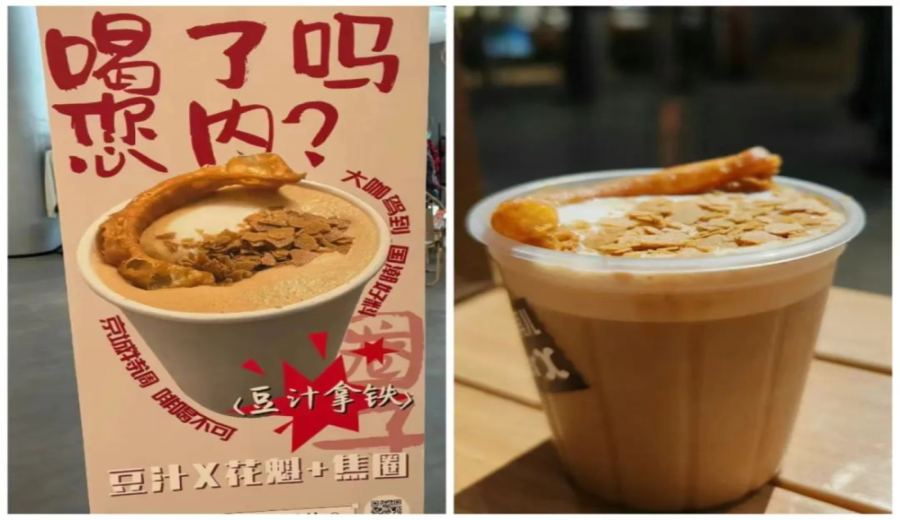
Introduction:This article focuses on the Beijing specialty drink—douzhi latte—which made its way from the Shanghai Coffee Festival to becoming a staple on the menus of Beijing cafés. Recently, it was further upgraded with a full douzhi trio set and selected Huakui coffee beans, sparking curiosity among many who wanted to try it. However, its extreme flavor has led to polarized reviews, and the café quietly switched beans, prompting discussions among consumers about the pairing of beans and douzhi. Let’s explore the story behind it.
From making its debut at the Shanghai Coffee Festival to becoming a common creative drink on the menus of Beijing cafés, douzhi coffee has gone through several years of development. Recently, this iconic Beijing specialty drink has been upgraded once again, with some cafés offering a douzhi latte paired with a complete douzhi trio set (douzhi, crispy fried dough rings, and pickled vegetable shreds). The choice of coffee beans was also carefully considered, opting for the well-known Huakui coffee beans, attracting many curious visitors to come and try it.
As early as a few years ago, the douzhi dirty shocked attendees at the Shanghai International Coffee & Food Culture Festival, not only opening the eyes of netizens but also delivering a strong taste sensation. After years of evolution, what was originally a novelty-driven douzhi coffee now steadily appears on the menus of many Beijing cafés. Many out-of-town visitors to the capital want to order an authentic douzhi Americano to experience this highly localized creative drink.
According to a poster from a certain café, their launched douzhi latte not only comes with a douzhi trio set, but also puts effort into selecting coffee beans, choosing the widely discussed and recognized Huakui coffee beans in the coffee community. Produced in Ethiopia’s Guji Hambela region, Huakui gained popularity starting in 2017 and has drawn industry attention every new harvest season since. This year’s Huakui 8.0 is no exception, with many baristas recently cupping freshly arrived Huakui 8.0 on social platforms. Huakui already has a large fan base domestically and enjoys high topic popularity. Paired with Beijing’s signature douzhi, it naturally attracted many curious netizens to give it a try.
Since Beijing douzhi is a regional beverage with rather extreme flavors, the resulting taste when combined with coffee varies from person to person.Those who enjoy the taste of douzhi can finish a whole cup in one go, while those who can’t stand the “sour and stinky” smell of douzhi may back away after just a sip.This douzhi latte using Huakui coffee beans also couldn’t escape the fate of polarized reviews. Some praised it as “delicious, with all three parts of the douzhi trio included,” while others were “shocked” by the unique flavor of douzhi, exclaiming, “This combination is just too intense.”
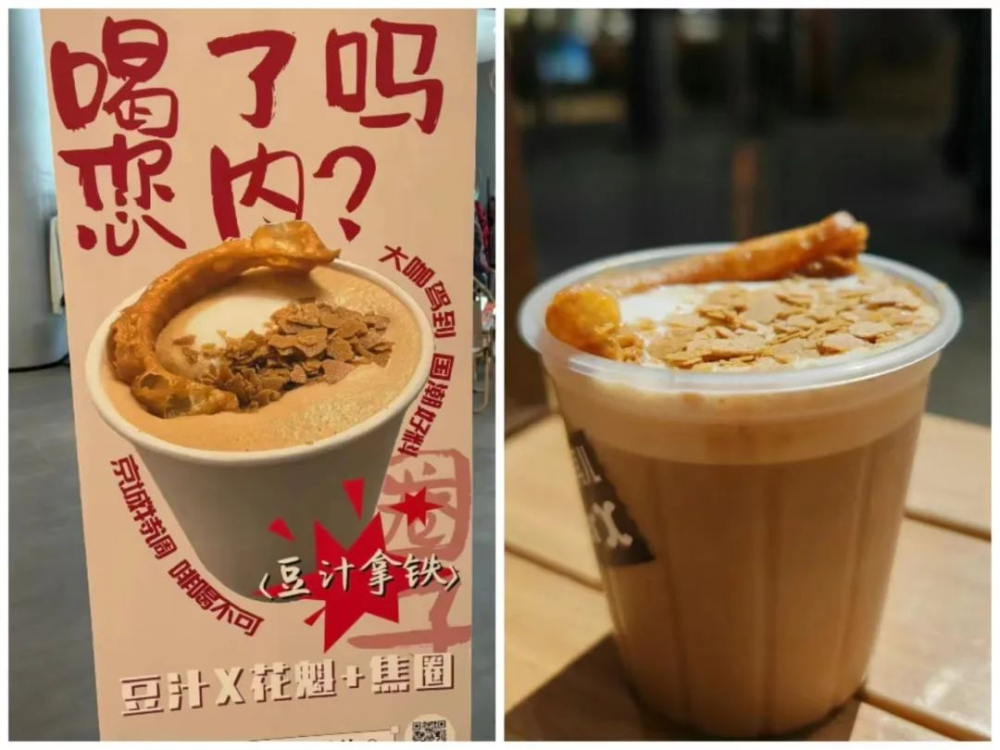
However, some consumers who tried it found that although the café’s poster stated that Huakui coffee beans were used, the actual beans provided were not Huakui. In response, the café explained that while the douzhi latte initially did use Huakui, it was later switched to IICA Platinum Award-winning beans to ensure more stable quality and allow customers to enjoy a better flavor, thus giving the douzhi latte an “upgrade.”
Using higher-quality ingredients to enhance product performance might attract many adventurous enthusiasts to come and try it. But some consumers believe that due to the overly distinctive taste of douzhi, even if the café upgraded the coffee beans, they couldn’t tell the difference between the “Huakui version” douzhi latte and other douzhi coffees. For loyal fans of the douzhi latte, the most crucial element of this drink isn’t which beans are used, but that authentic taste of Beijing douzhi.
The above content is compiled by CoffeeHunters, a coffee news website.


