







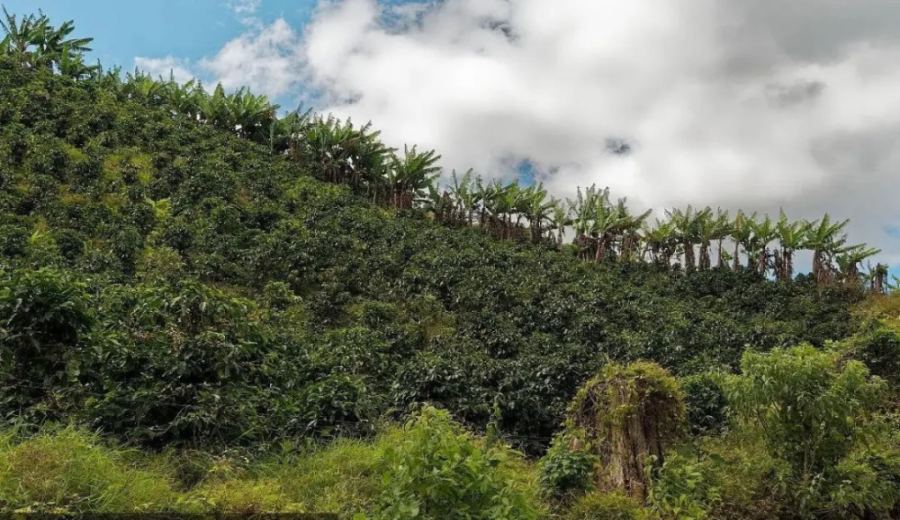
Introduction:Dive into the "Strawberry Candy" specialty coffee beans launched by Finca Mirazu in Costa Rica’s Tarrazú region. This innovative blend combines varieties such as Geisha, ET47, SL28, and MAICO, and is processed using a raisin honey method that highlights intense strawberry sweetness and layered floral notes. This article explores its varietal background, processing technique, regional characteristics, and practical brewing references to help you fully appreciate this highly distinctive specialty coffee experience.
Costa Rica is one of the first countries in Central America to develop coffee cultivation. With its active volcanic geology and diverse microclimates, it has long nurtured numerous high-quality specialty coffee regions. Among them, Tarrazú is not only the country’s largest and oldest coffee-growing area but also the first in Central America to receive official appellation of origin certification. Its green beans are known for their bright acidity, rich aroma, and full-bodied flavor.
Located in the Tarrazú region, Finca Mirazu was founded and is managed by Esteban Sanches, who has a professional agricultural background. A graduate of the Coffee Department at the University of Costa Rica, he combines solid theoretical knowledge with a passion for specialty coffee to run a small farm that emphasizes varietal innovation and meticulous processing techniques. Mirazu’s coffees are not only well-regarded locally but have also garnered global attention due to their unique variety combinations and processing methods.
The "Strawberry Candy" coffee beans introduced here are an innovative product from Finca Mirazu that has garnered much attention in recent years. These beans are not a single variety but a carefully selected blend of four: Geisha, ET47, SL28, and MAICO. Geisha makes up the majority, about 50%, with the other varieties blended in to enhance the complexity and distinctiveness of the flavor profile.
The Geisha variety originally comes from the wild coffee forests of Ethiopia. It was later cultivated at the Lyamungu Research Station in Tanzania and introduced to Costa Rica’s Tropical Agricultural Research and Higher Education Center (CATIE) in 1953, where it was registered as T2722. After confirming its resistance to coffee leaf rust, it gained prominence in places like Panama, becoming renowned for its floral and citrus notes. ET47 is one of several varieties introduced by the Costa Rican Coffee Institute in the 1990s for research on leaf rust resistance. It is identified by a numerical code to facilitate recognition and cultivation by farmers.
Additionally, SL28, included in the blend, is a classic variety from Kenya. Selected in the late 1930s from 42 candidate varieties by what was then the Scott Agricultural Laboratories (now the National Agricultural Laboratories), it is known for its outstanding sweetness and complex flavors, often exhibiting notes of blackcurrant, grape, and tea. Though its yield is not high, it has long been a star variety in the specialty coffee scene. MAICO is another relatively rare but promising variety that contributes to the overall body and aftertaste of the blend.
The most astonishing aspect of this Strawberry Candy coffee is its use of the "Grape Dry Honey Process." This method combines elements of natural and honey processing. After harvest, the coffee cherries are depulped to remove part of the outer skin and fruit flesh while retaining a rich layer of mucilage. They are then dried under high temperature and humidity for an extended period. During this time, the beans absorb abundant sugars and fruity aromas from the fruit, resulting in intense strawberry, raisin, and candy-like sweetness, along with a soft rose and creamy, buttery finish.
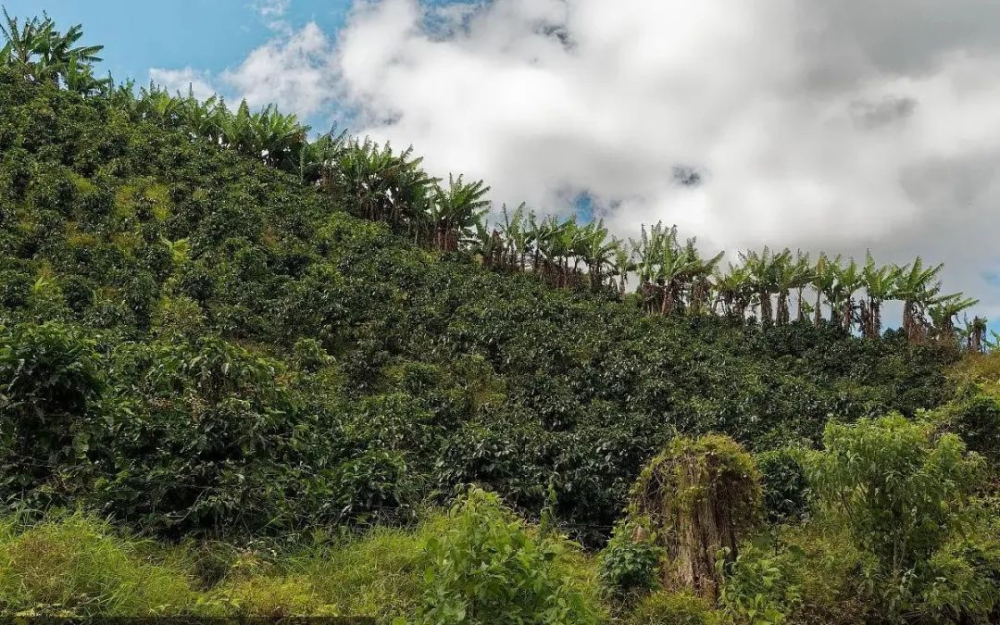
In terms of the regional environment, Tarrazú is located in central Costa Rica, within the province of San José. It is influenced by warm, moist air currents from the Pacific Ocean, with annual rainfall of about 2400 mm, a stable climate, and significant day-night temperature variation. Coffee is grown at altitudes mostly between 1500 and 2100 meters, in fertile volcanic soils rich in minerals—ideal conditions for coffee plants. As a result, Tarrazú coffees are generally known for their bright acidity, concentrated aroma, and layered complexity. In 2019, the region successfully registered the appellation "Café de Tarrazú" with the European Union and the World Intellectual Property Organization (WIPO), further protecting and promoting the uniqueness of its coffee.
For pour over enthusiasts, here are some practical brewing suggestions: Use a V60 dripper, with a recommended coffee-to-water ratio of 1:15. Water temperature should be around 92°C. Grind size can be medium-fine, similar to the texture of fine sugar. Begin with a 30–40g bloom, followed by a steady pulse pouring method. The total brew time should ideally be between 2 minutes 30 seconds and 3 minutes. These parameters help fully highlight the floral aroma, sweetness, and delicate acidity of the Strawberry Candy beans, resulting in a more balanced and layered cup.
In summary, the Strawberry Candy coffee beans from Finca Mirazu in Tarrazú, Costa Rica, stand out with their rare varietal combination and innovative grape dry honey process, creating a specialty coffee with a uniquely sweet and flavorful profile. Whether you’re a coffee enthusiast interested in varietal exploration or a pour over lover seeking a special flavor experience, these beans are worth trying to experience the refined charm of high-altitude coffee from Central America.
The above content is compiled by CoffeeHunters, a coffee news website.


