







Introduction:One of the key factors behind the unique and richly bold flavor of Indonesian Mandheling coffee is the region’s distinctive "wet hulling" processing method. This semi-washed technique not only adapts well to Indonesia’s humid and variable climate but also directly influences the final flavor profile of the beans. This article will provide an easy-to-understand overview of the principles and workflow of wet hulling, clarify the common misconception about "elephant ear beans," and help you gain a more comprehensive understanding of how Mandheling flavors are formed and processed.
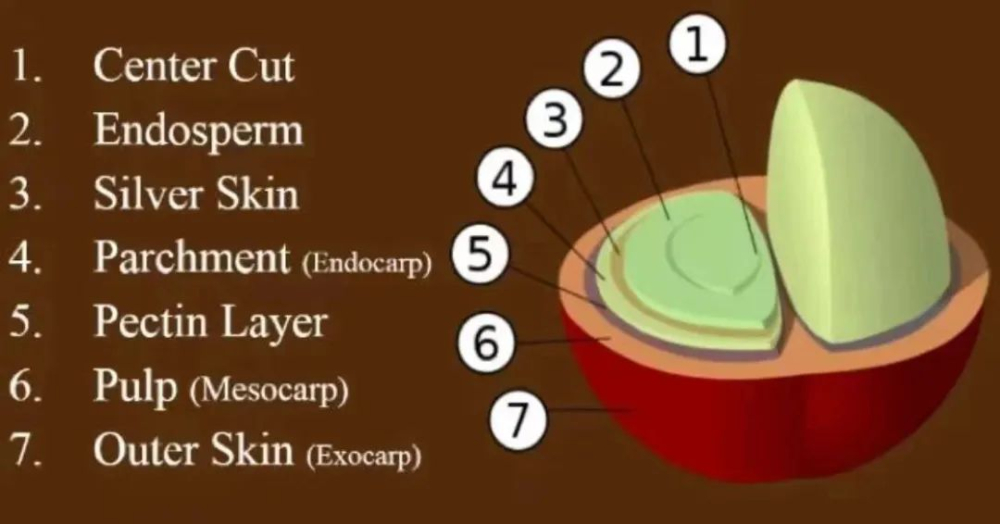
The deep, full-bodied taste of Mandheling coffee is not only related to the genetics of the Robusta variety, but is largely thanks to Indonesia’s unique wet hulling processing method. This technique, nicknamed in the industry as a "semi-washed" method, is most notably characterized by removing the parchment layer (i.e., the silver skin layer) while the beans are still relatively undried. This approach not only shortens the drying time but also gives Mandheling its uniquely distinctive flavor profile.
So what exactly is wet hulling? Simply put, it is a processing step where, after the coffee beans have fermented and had their pulp initially removed, the parchment layer is peeled off when the bean still maintains a relatively high moisture content. In conventional processing methods, the parchment layer is typically left on until the very end, but wet hulling does the opposite—hence it is also known as "wet hulling" or "Wet Hulling."
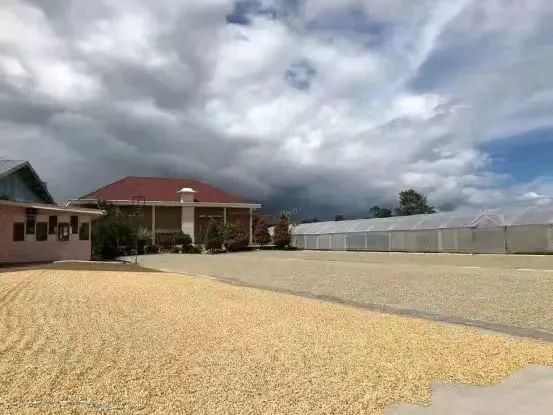
The development of wet hulling in Indonesia is primarily due to the limitations imposed by the local climate. Indonesia is humid year-round, with average air humidity consistently maintained between 70% and 90%, and sunlight hours generally being quite limited. This environment makes traditional sun-drying methods ineffective for properly drying coffee beans, and prolonged exposure can easily lead to mold growth. Moreover, the highly volatile weather also introduces uncertainty to the washed process, which relies on stable sunlight. Against this backdrop, wet hulling has become the ideal localized solution.
Many people jokingly refer to wet hulling as a "semi-washed process," and this isn't entirely baseless. This method is indeed similar to washed processing in its initial stages: first, harvested coffee cherries are subjected to floatation to remove defective beans that float to the surface; next, machinery is used to remove the outer skin and pulp, leaving behind beans coated with mucilage and parchment; these beans are then soaked in water to ferment, typically for between 12 to 36 hours, to break down the residual mucilage on the bean surface. Only after fermentation is complete does the process move into the wet hulling-specific latter stage.
After fermentation and initial washing, farmers spread the beans, still with their parchment layer, out in the sun to dry. If the weather remains sunny continuously, the moisture content can quickly drop to the range of 30% to 50%; at this point, a specialized hulling machine is used to remove the still not fully dried parchment layer. The hulled beans are then sun-dried again until the overall moisture content falls to around 12%, meeting safe storage standards. This series of steps can significantly shorten the total drying time and effectively reduce the risk of mold.
During the wet hulling process, because the mechanical action of removing the parchment layer is relatively rough, it often leads to compression or damage to the green coffee beans. Especially at the ends of the beans, cracks or indentations resembling elephant hooves are prone to occur. These visually distinct beans are commonly referred to as "elephant ear beans."
(The one on the right side of the picture is an elephant ear bean)
There is a market belief that these elephant ear beans are the key to shaping Mandheling’s special flavor. However, in reality, these beans are simply the result of mechanical processing that causes external damage and have no direct impact on the final flavor. Therefore, consumers don’t need to overly focus on the presence of elephant ear beans when enjoying Mandheling; rather, they should pay more attention to the overall processing method and roasting performance.
In summary, Indonesia’s wet hulling method is a coffee processing system that is highly adapted to the local climate environment. By removing the parchment layer early, it not only overcomes the challenges of insufficient sunlight and high humidity, but also indirectly shapes the deep, richly bold, and uniquely earthy and herbal-toned flavor profile of Mandheling coffee. Understanding this process helps coffee enthusiasts better appreciate the craftsmanship and regional characteristics behind Mandheling when tasting and selecting.
The above content is compiled by CoffeeHunters, a coffee news website.


