







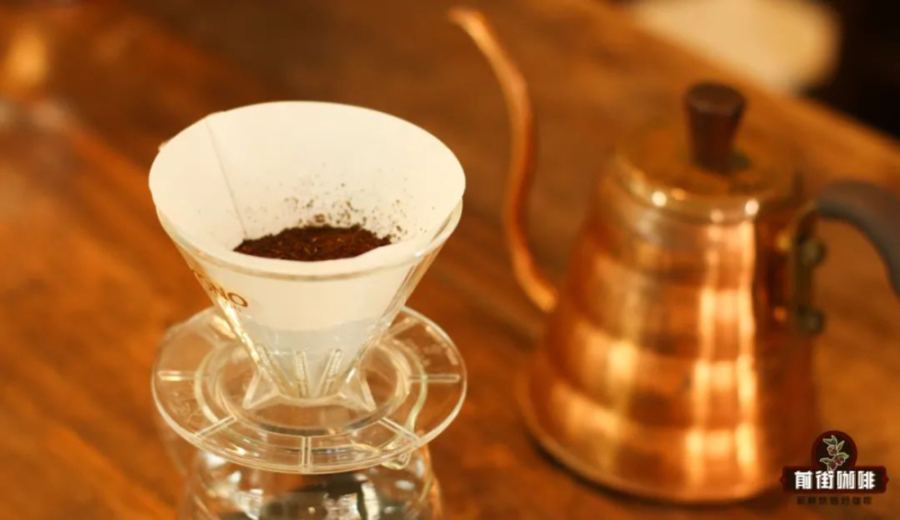
Introduction:Whether to wet the filter paper before pour over brewing is a common topic of discussion among coffee enthusiasts. Wetting the filter can remove odors, improve fit, and preheat the dripper, but some argue that modern filter paper technology has made this step unnecessary. This article delves into the impact of wetting or not wetting the filter on extraction efficiency, coffee strength, and flavor, analyzing the pros and cons from a practical perspective to help you make the most suitable choice based on your equipment and habits.
During the preparation process for pour over coffee, a frequently debated question is: should the filter paper be pre-wetted with hot water? This seemingly simple step elicits differing opinions among coffee lovers. Supporters believe that wetting the filter removes pulp taste, helps the filter adhere better to the dripper, and also preheats the dripper. Opponents, however, point out that modern filter paper technology has advanced significantly, making these traditional reasons less relevant. So, should you wet the filter or not? Let’s analyze it from several key perspectives.
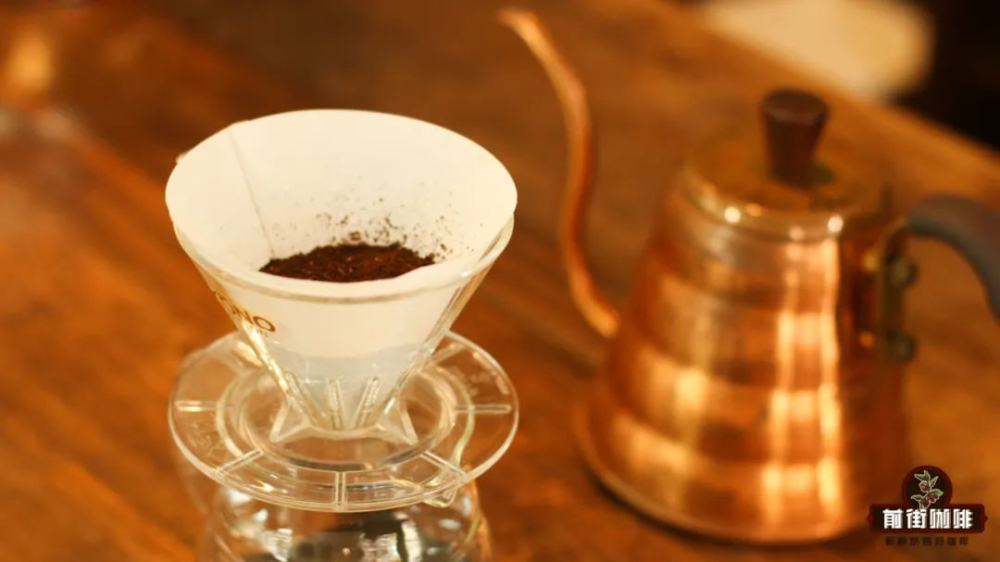
First, many people believe that wetting the filter effectively removes the paper pulp odor inherent in the filter itself. In the past, due to limitations in manufacturing processes, filter paper could indeed carry a slight paper smell. Without pre-rinsing, these flavors might mix into the coffee, affecting the overall taste. However, by 2024, most high-quality filter paper brands have adopted bioactive enzyme bleaching technology, producing filter paper that is virtually free of pulp taste and non-toxic residues. Therefore, this step is generally no longer necessary in most cases.
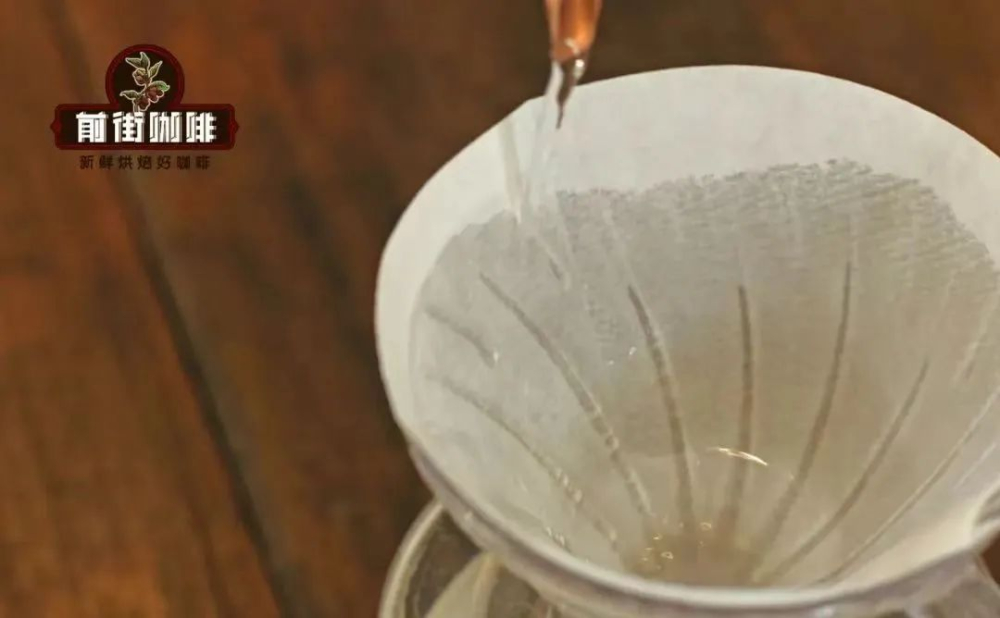
Second, wetting the filter allows it to adhere more tightly to the inner walls of the dripper. This is especially important for drippers with ridges, such as the V60. If there are gaps between the filter and the dripper, hot water may pass through those gaps directly, reducing extraction efficiency. However, in practice, as long as the operation is proper, even without wetting the filter, the weight of the coffee grounds will press the filter against the dripper walls, achieving a similar effect. Thus, the degree of adhesion depends more on technique than whether the filter is wet.
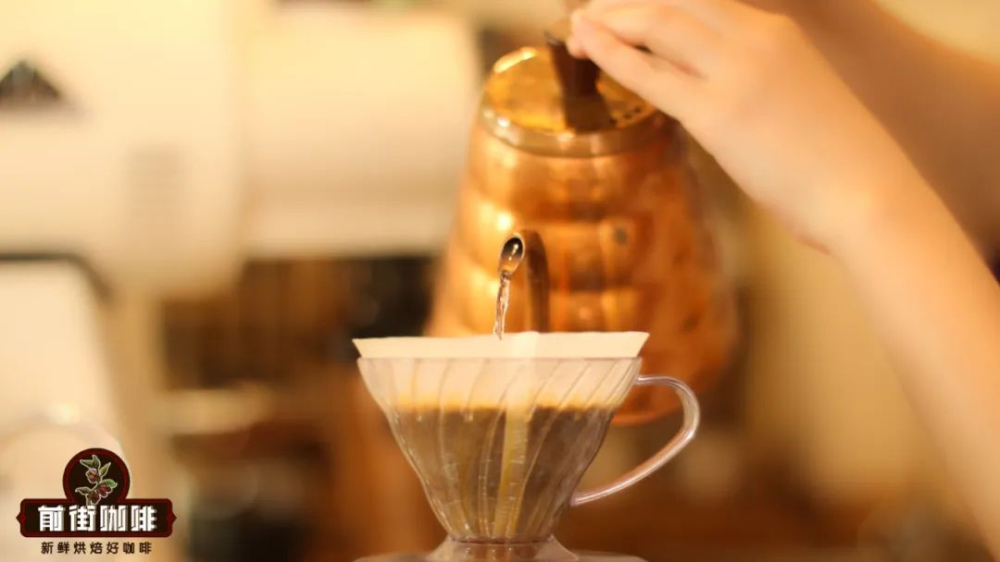
The third common reason is preheating the dripper. The hot water used to wet the filter not only moistens the paper but also heats the dripper, preventing a room-temperature dripper from absorbing heat from the water and causing the water temperature to drop, which could affect extraction. However, modern pour over brewing often uses drippers made of resin materials, which are heat-resistant but do not absorb much heat, so the preheating effect is limited. If you’re using a ceramic dripper, preheating still holds some value.
Overall, the three traditional reasons mentioned above still hold some merit under specific circumstances, but for most modern coffee equipment and brewing methods, the advantages of wetting the filter are no longer significant. So, what other factors should be considered?
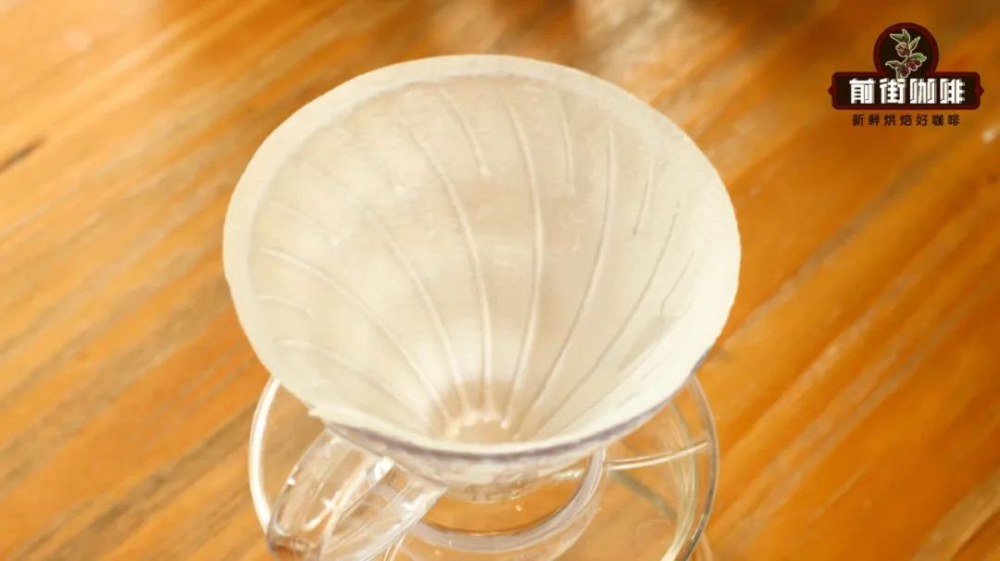
First is the water absorption capacity of the filter paper. Dry filter paper naturally absorbs water—about 8 milliliters per standard sheet. If the filter is pre-wetted, it won’t absorb as much coffee liquid during brewing, thus avoiding dilution of coffee strength. On the other hand, if the filter is not wetted, it may absorb some coffee liquid during the brew, potentially resulting in a lighter final coffee color and slightly weaker flavor.
Second is the issue of pre-extraction of the coffee grounds. Many people pour the coffee grounds immediately after wetting the filter. Theoretically, early contact with water might cause slight pre-extraction, affecting the final flavor. But in reality, this effect is extremely minimal, and unless you’re conducting an extremely refined taste comparison, it’s hard to notice any difference.
In summary, the debate over whether to wet the filter is more theoretical than practical, with no significant difference in actual brewing experience. If the filter you use has no off-odors, your technique is sound, and the dripper material doesn’t require special preheating, then whether or not you wet the filter won’t decisively impact the coffee’s flavor. Ultimately, choosing to wet or leave the filter dry is best decided based on personal habit and preference.
After all, the charm of pour over coffee lies in the process and experience, not in overly complicated steps. Finding a method that suits you and enjoying the unique flavor of each cup is what matters most.
The above content is compiled by CoffeeHunters, a coffee news website.


