







Introduction:Jamaica Blue Mountain coffee is renowned worldwide for its rarity and exceptional flavor, but this year it has been hit by a combination of heavy rainfall and earthquakes, resulting in a sharp 25% drop in production and significant harvesting challenges. In response to these difficulties, the authorities have launched a multi-billion dollar five-year revitalization plan aimed at rebuilding the growing regions, stabilizing supply, and nurturing a new generation of coffee farmers. This article delves into the causes of the disaster, its market impact, as well as the details and future prospects of the revitalization initiative.
As the pinnacle representative of global specialty coffee, Jamaica Blue Mountain coffee has long been the dream flavor for coffee enthusiasts, thanks to its unique geographical environment and meticulous cultivation techniques. However, this year the region faces unprecedented challenges: frequent extreme weather has led to a significant decline in coffee harvests, putting the stability of the entire industry chain to the test.
According to the latest statistics, the output of Jamaica Blue Mountain and High Mountain coffee beans this season is expected to be about25%lower than the same period last year,
bringing notable fluctuations to market supply and prices. Currently, the harvesting progress for the new season is only about 30% complete, far below expectations. And all of this is closely related to the continuous heavy rain and earthquakes in the area.
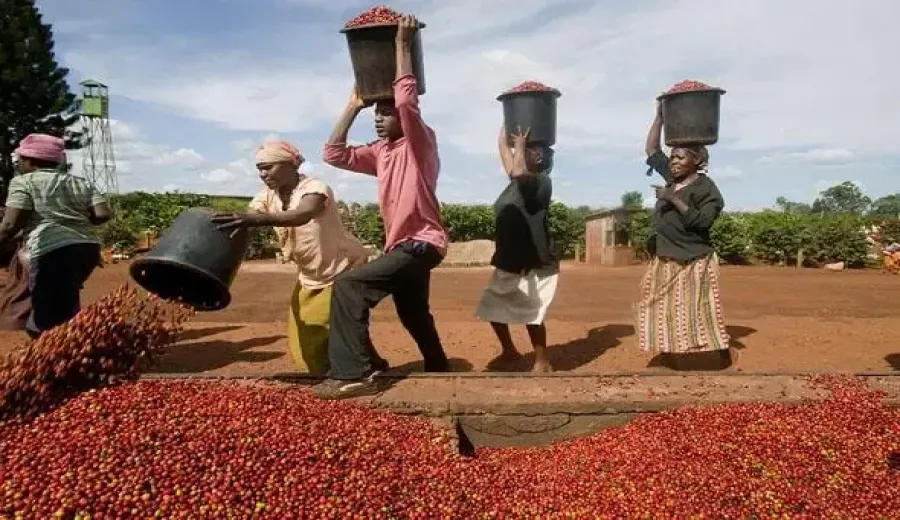
The growing conditions for Blue Mountain coffee are extremely demanding. From flowering and pollination to fruit ripening, it takes8 to 10 months, with strict requirements for climate, soil, and altitude. Its bean variety is inherently delicate and susceptible to pests and diseases, so skilled manual picking has long been relied upon to ensure only ripe red cherries are selected, avoiding unripe or overripe beans. However, due to terrain limitations, many growing areas lack access roads and rely entirely on manual transport. Now, with mountain paths damaged, the challenges have become even more daunting.
Moreover, persistent rainfall directly interferes with the flowering and pollination process of coffee trees. Heavy rain can easily knock off fragile flowers and newly formed small fruits, leading to reduced fruit set, which is also one of the reasons for the sharp decline in yield. Preliminary estimates suggest that the loss of coffee beans this season amounts to as much as50,000 bags, with each bag weighing 32 kilograms, significantly impacting overall output.
To address the crisis, Jamaica’s Minister of Agriculture and Fisheries announced at the Blue Mountain Coffee Festival that the “Crop Rehabilitation and Establishment Programme (CREP)” will be launched to comprehensively revitalize the growing regions. The program is expected to start within the local fiscal year (from April 1 to March 31 of the following year) and be gradually implemented over the next five years.
According to the plan, the project will invest several billion US dollars, primarily forrebuilding and strengthening coffee farm infrastructure, including road repairs, slope stabilization, and the installation of disaster prevention facilities. At the same time, the authorities plan to replant a large number of Blue Mountain and High Mountain variety coffee trees within five years, aiming to restore and enhance overall production capacity, eventually reachingan annual output of 450,000 bags (each bag weighing 32 kilograms).
In addition to infrastructure development, the CREP plan also focuses ontalent cultivation and sustainable industry development. This includes providing technical training for over 5,000 local coffee farmers to improve their expertise in planting, harvesting, and post-harvest processing, as well as actively attracting younger generations and new investors to inject fresh energy into the industry. Through these comprehensive measures, Jamaican authorities hope not only to restore production but also to further enhance the overall quality and international competitiveness of the coffee.
For consumers, although Blue Mountain coffee may become even rarer in the short term due to reduced yields, in the long run, the successful implementation of this revitalization plan will help stabilize the supply chain and maintain the prestigious status of Blue Mountain coffee in the specialty market. In the coming years, the market will continue to monitor the progress and actual outcomes of the plan’s execution.
The above content is compiled by CoffeeHunters, a coffee news website.


