







Introduction:In recent years, retro-style cafés have become popular spots for social media check-ins. However, when cafés are filled with expensive antiques covered in damage compensation signs, it can make customers feel uneasy. This article explores how to create a literary atmosphere while maintaining a relaxed customer experience, and offers practical display and protection tips to help café owners build spaces that are both beautiful and safe.
In today’s highly competitive café industry, having a uniquely styled venue has become key to attracting customers. Especially themed cafés such as retro or Showa-style, with their strong nostalgic ambiance, have drawn in large numbers of young consumers. However, recently a netizen shared a medieval-themed café that displayed numerous high-value antiques and plastered conspicuous price tags around the space, warning customers that they would have to pay for any damages—sparking widespread discussion.
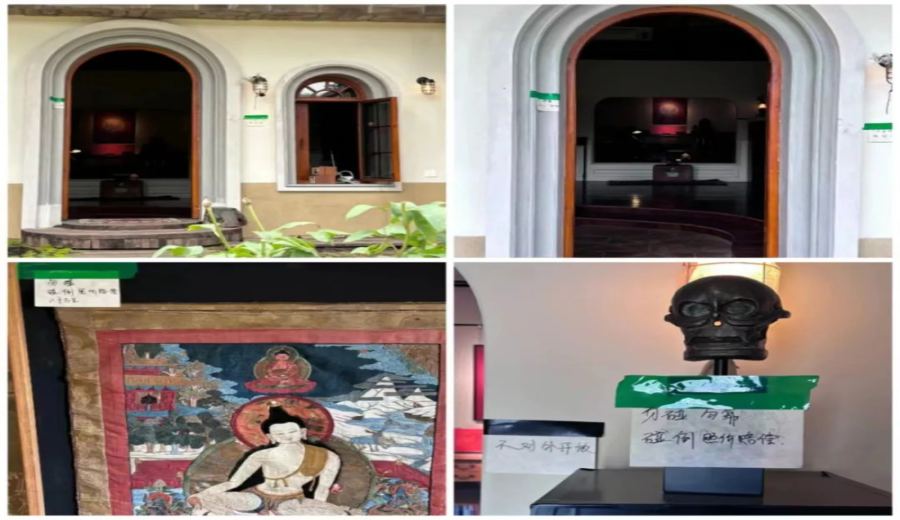
Walking into this café, the dim lighting paired with arched retro doorways creates an atmosphere as if one has traveled back to the Middle Ages. The space is adorned with various artworks and antique ornaments, exuding a literary vibe. Yet, attentive customers noticed that the walls were covered with at least ten reminder signs fixed with green tape, most reading “Do not touch” or “Fragile—damages will be compensated,” with some even clearly stating the prices of certain artworks. While this approach protects the owner’s precious collections, it also makes the overall atmosphere feel tense.
In fact, using vintage or antique items to enhance a café’s retro feel is not uncommon in the industry. These objects with historical character can quickly inject a sense of storytelling into the space, making customers feel as though they’ve stepped into an old-time café. However, when a large number of expensive antiques are concentrated in a small space and compensation warnings are visible everywhere, customers often unconsciously become more cautious—even holding their coffee cups extra carefully for fear of accidentally damaging something valuable.
Some customers jokingly said the place felt more like the owner’s private museum than a relaxing café. It’s understandable that the owner cherishes each collectible—after all, these antiques are not only pricey, but some may even carry special memories. Yet, too many warning signs can negatively impact the overall customer experience, turning what should be a laid-back, enjoyable coffee moment into a nerve-wracking one.
In response to this situation, industry professionals suggest that if café owners wish to showcase valuable collections, they should consider more clever display methods. For example, they could follow museums’ lead by adding transparent protective covers to high-risk antique pieces, preserving visual appeal while effectively preventing accidental collisions. In addition, strategically planning the café layout—placing fragile or high-value items in less accessible areas—is also a practical strategy for reducing risk.
In terms of interior design, café owners should also balance aesthetics with practicality. Too many signs not only affect visual cohesion but can also make customers feel restricted. If reminders are truly necessary, consider using more discreet methods, such as integrating notices into the menu or displaying them on boards at the entrance—reducing the “patchwork” feel across the space.
For customers, visiting a café is not just about enjoying a good cup of coffee, but also about immersing themselves in a unique atmosphere to relax. When antiques and décor blend successfully without interfering with basic activities, a truly memorable coffee experience can be created. While pursuing visual impact, café owners should also prioritize customer comfort.
In summary, combining antiques with cafés is a double-edged sword. When used appropriately, it can significantly enhance a space’s charm, but mishandling it may drive customers away. With professional display techniques, sensible spatial planning, and thoughtful customer service, café owners can absolutely create an aesthetically pleasing yet welcoming coffee environment while retaining their personal style.
The above content is compiled by CoffeeHunters, a coffee news website.


