







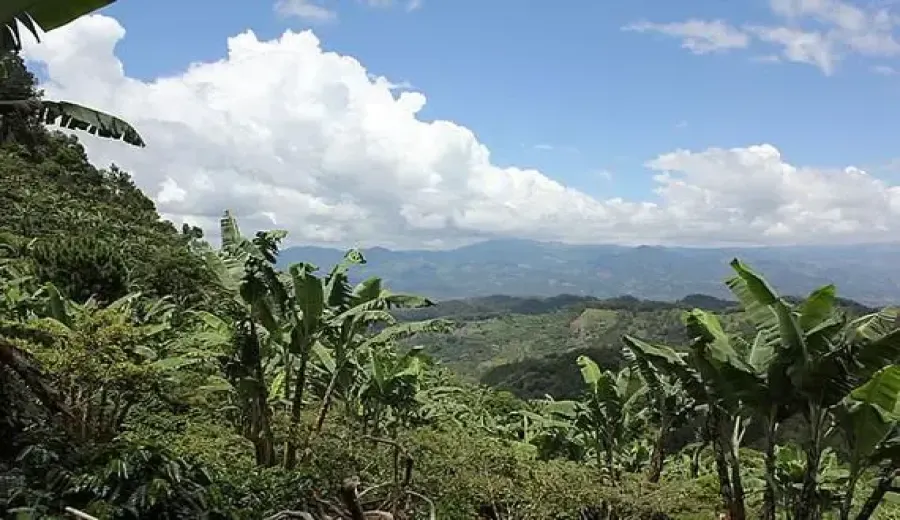
Introduction:Want to explore the charm of high-altitude hard beans from Central America? The Huehuetenango region in Guatemala, with its unique non-volcanic terrain and high-altitude environment, produces premium washed coffee with notes of citrus, berries, and tea. This article delves into its geographical advantages, the characteristics of its three main varieties, and provides practical pour-over parameters and flavor descriptions. It’s an essential guide for readers seeking high-quality coffee bean recommendations and beginner brewing tips.
Guatemala is not only an important origin for specialty coffee in Central America but is also renowned worldwide for its high-altitude hard beans. The country’s landscape, dominated by volcanic terrain, tropical rainforests, and diverse microclimates, gives its coffee distinctive bright acidity, clean profiles, and rich complexity. Among its many regions, Huehuetenango in the west—a non-volcanic area—stands out. Thanks to its high altitude and unique geographical barriers, it produces well-structured, finely flavored coffee, even without volcanic soil.
Central America is a major hub for specialty coffee globally, with countries such as Guatemala, Panama, Costa Rica, and Honduras excelling in the production of high-altitude hard beans. Among them, Guatemala currently ranks as the world’s ninth-largest coffee producer. Coffee is cultivated across nearly two-thirds of the country’s mountainous and plateau regions, particularly in the western and southern volcanic zones, as well as the southeastern and southern highland and non-volcanic areas, which are cradles for specialty beans.
The country enjoys a uniquely favorable geography, bordering Mexico to the north, the Caribbean Sea to the east, the Pacific Ocean to the south, and neighboring Belize, Honduras, and El Salvador. It is home to more than thirty volcanoes, including Tajumulco Volcano, the highest peak in Central America at 4,211 meters above sea level. In terms of climate, the country experiences distinct dry and wet seasons. Coupled with the nurturing effects of tropical rainforests and volcanic soils, these conditions provide optimal growth environments for coffee trees, shaping the unique aroma and flavor profile of Guatemalan coffee.
Among the many producing regions, Huehuetenango is one of the most representative non-volcanic areas and also one of the highest-altitude coffee-growing regions in the country. Its name originates from Nahuatl, meaning “place of the ancients.” Located at the foot of the Sierra de los Cuchumatanes, a rare high-altitude non-volcanic mountain range in Central America, the region benefits from proximity to the tropical plains of Tabasco in Mexico. The large upward flow of warm air helps ward off frost, allowing coffee to be grown at higher elevations. Additionally, the area is rich in water resources, creating an ideal environment for coffee cultivation.
In addition to Huehuetenango, Guatemala has two other non-volcanic regions—Cobán and Nuevo Oriente—as well as five major well-known volcanic regions: Atitlán, Antigua, Acatenango, Fraijanes, and San Marcos. These regions generally have planting altitudes exceeding 1,500 meters, with many reaching above 1,800 meters, providing excellent conditions for the growth of Strictly Hard Beans (SHB).
In terms of varieties, Huehuetenango primarily grows three classic Arabica varieties: Bourbon, Caturra, and Catuai. Although the Bourbon variety has relatively low yields and is susceptible to diseases, it exhibits high flavor purity and complex aromas in high-altitude environments. Caturra, a single-gene mutation of Bourbon, features shorter plants suitable for dense planting while retaining excellent cup quality. Catuai, a hybrid developed in Brazil combining Mundo Novo and Caturra, offers high yields and density tolerance, making it ideal for farms seeking a balance between efficiency and quality.
Most local farms use the washed processing method, where the refined process effectively highlights the beans’ inherent flavors while preserving clean, bright acidity. Typically, these washed beans are medium roasted to balance sweetness and acidity, while also harmonizing fruity and nutty notes. For actual pour-over brewing, it is recommended to use a V60 filter cone, with a 1:15, and a water temperature of around 92°C. During brewing, pay attention to the flow rate in the early stages to ensure stable extraction and avoid over-extraction, which can lead to bitterness.
The brewed Huehuetenango washed coffee typically delivers a soft fruit acidity, with clear notes of citrus and berries emerging, followed by a mid-palate of nuts and subtle chocolate aromas. The finish leaves a refreshing aftertaste reminiscent of tea, presenting an overall balanced and layered cup. Refer to the accompanying image (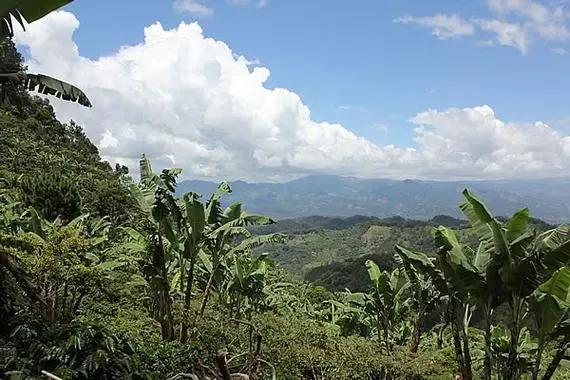 ) for a more intuitive look at its bean appearance and processing characteristics.
In summary, the Huehuetenango washed coffee beans from Guatemala are not only an excellent entry point for exploring high-altitude hard beans from Central America, but their unique geographical background and varietal characteristics also endow this coffee with rich flavor expression and high drinking value. Whether you’re a beginner or a seasoned coffee enthusiast, you can discover your own coffee pleasure in it.
The above content is compiled by CoffeeHunters, a coffee news website.


