








Introduction:Monsoon coffee is a unique coffee processing tradition exclusive to India, born during the age of sailing shipping. Thanks to its distinctive monsooning process, it develops one-of-a-kind grainy and spicy flavors. This article details the historical origins of Malabar monsoon coffee, the monsooning processing method—including storage, scheduled stirring, bag-controlled aging, smoke fumigation for pest control, and grading & sorting—to take you through the entire fascinating journey of how this uniquely flavored coffee is created.
When it comes to Indian food culture, curry is often the first thing that comes to mind. But when discussing Indian coffee, “monsoon coffee” is undoubtedly one of its most iconic representations. Unlike the widely known Robusta coffee, monsoon coffee stands out with its special processing method and distinctive flavor, making it a top choice for many coffee enthusiasts to collect. So, how did this coffee, rich in grainy and spicy aromas, emerge from history, and how has it been preserved into the modern day? Next, we’ll unveil its mysterious veil for you.
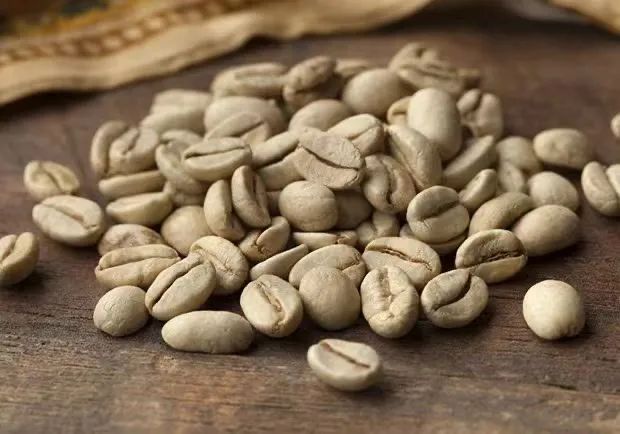
The history of monsoon coffee dates back to the 17th century, when India was already an important coffee supplier to European countries, second only to Yemen’s Mocha. In the era of sailing transport, shipping coffee from India to Europe often took several months. During the voyage, the beans were stored in the lower holds of ships, exposed for long periods to sea breezes and humid air. In such an environment, the coffee beans gradually absorbed moisture and salt from the air, changing in color from their original greenish hue to a rice-like yellowish-brown, while also expanding in size. By the time these coffee beans arrived in Europe, not only had their color changed, but their flavor had also been completely transformed—exhibiting low acidity, a smooth and mellow mouthfeel, and distinct grainy and spicy notes, even reminiscent of the flavor of genmaicha (brown rice tea). This special flavor was highly favored by European consumers at the time, and thus the prototype of monsoon coffee was born.

Entering the 19th century, with the advent of steamships and the opening of the Suez Canal, the shipping time for Indian coffee was drastically reduced to about half of the original—only around three months. Although the shorter journey meant fewer uncontrollable factors, it also caused the coffee beans to lose the unique flavors formed during the lengthy sea voyages. Deprived of the oceanic influence, the beans became dull in color and bland in taste—like a Geisha stripped of its citrus and floral notes. For European customers accustomed to the original flavor, this change was clearly hard to accept. As a result, orders continued to decline, and Indian coffee exporters had to find a solution to recreate that unique flavor so fondly remembered by Europeans.
Obviously, extending the shipping time back to six months was not realistic, as the cost and labor involved would be prohibitively high. After numerous trials, exporters turned their attention to the monsoon season unique to India’s southwestern Malabar Coast. From late May to September each year, the region is swept by continuous sea breezes, with humidity levels rising significantly. Exporters hypothesized that perhaps they could harness this natural force to replicate, on land, the monsooning environment that the coffee beans experienced during the original sailing voyages—thereby reviving that unforgettable flavor.
After repeated experimentation and adjustments, this method was eventually proven viable. During the monsoon season, coffee beans are deliberately placed in open spaces to be exposed to continuous sea breezes and moist air. After several months of natural processing, the appearance and flavor of the beans gradually transform, recreating the characteristics that used to appear only after prolonged sea transport. From then on, these beans processed using the Malabar monsoon were called “monsoon coffee,” and the processing technique behind it became what is now widely known as the “monsooning method.”
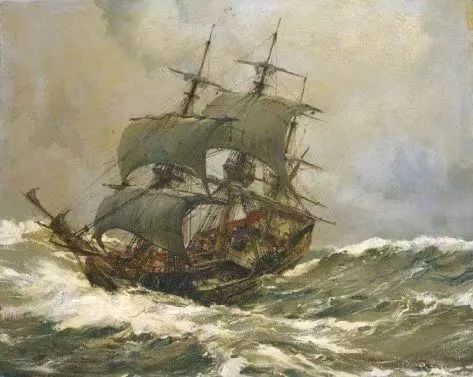
The core of the monsooning method is to subject pre-sun-dried green beans to prolonged natural drying and moisture exposure in a specific environment. However, monsoons do not occur year-round, so before the monsoon season arrives, the beans need to be properly stored and await their processing window. Once the monsoon season begins, workers spread the coffee beans evenly in specially constructed monsooning rooms, with stacking heights generally controlled between 12 to 20 centimeters to ensure each bean is fully exposed to circulating air and a humid environment.
During the monsooning period, workers must regularly use rakes to turn the beans, ensuring each layer is evenly affected by the monsoon to avoid localized over-drying or excessive moisture. After approximately five days of initial monsooning, the beans are transferred into jute bags. To promote air circulation, the bags are not filled to capacity but are intentionally left partially empty, allowing sufficient space between the beans for the monsoon air to freely penetrate. Additionally, the jute bags are periodically replaced to reduce the risk of mold growth.
The entire monsooning process typically lasts 12 to 16 months, depending on the beans’ transformation progress. Once the beans reach their ideal state, the next step is smoke fumigation, primarily aimed at driving away potential pests such as the coffee bean weevil that may be lurking within. Since coffee beans are natural agricultural products, pest issues cannot be entirely avoided, making this step particularly crucial. After fumigation, the beans undergo careful sorting to remove those that have not been sufficiently affected by the monsoon, or whose appearance or flavor does not meet standards. Finally, they are graded based on size and flavor performance before being released to the market for sale.

The above content is compiled by CoffeeHunters, a coffee news website.


