







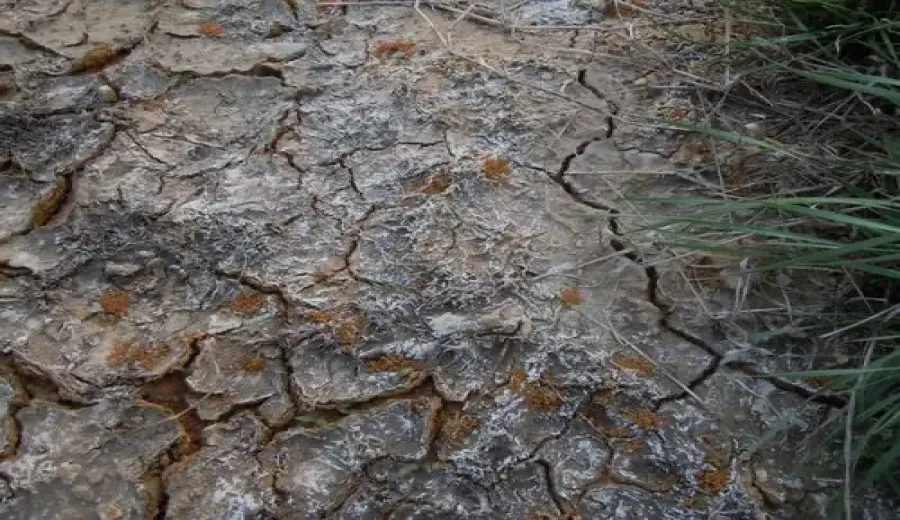
Introduction:In recent years, the El Niño phenomenon has occurred frequently, significantly impacting agricultural regions worldwide. Vietnam, one of the world’s major producers of Robusta coffee, is facing its most severe drought in nearly a century, with the Mekong Delta region being hit particularly hard. This article will delve into how the drought is dragging down Vietnam’s coffee output, driving up Robusta prices, and take you through the water situation changes in the Mekong River basin and the latest updates on China’s emergency water replenishment efforts.
Affected by the ongoing El Niño phenomenon, Vietnam is experiencing its worst drought crisis in nearly a century, especially in the Mekong Delta, where agricultural activities have been impacted like never before. This region is a key global producer of well-known Robusta coffee, and it is currently the critical flowering stage for coffee trees. Persistent water shortages and high temperatures pose serious challenges to crop growth. Moreover, the spot price of Robusta coffee in the market has soared to more than double that of the same period last year, drawing close attention from international buyers.
According to statistics from the Vietnamese Ministry of Agriculture, the Mekong River water level has dropped to its lowest since records began in 1926. Severe drought and land salinization have left nearly one million residents facing water shortages. In agriculture, over 160,000 hectares of farmland have been affected, and it is expected that the impacted area may expand to 500,000 hectares in the future. Within the roughly 2.2 million hectares of arable land in the Mekong Delta, as much as 40% to 50% has shown significant salinization, greatly affecting normal crop growth and even causing some crops to wither and die.
Observations of rainfall data reveal that between February 14 and March 15, most areas in the Mekong River basin—including central and southern Vietnam, Laos, and Cambodia—experienced almost no rain at all, with temperatures 1 to 3°C higher than the same period in previous years. Such climatic conditions are undoubtedly exacerbating the situation for water-intensive crops such as coffee and rice. The continuation of the El Niño phenomenon has also significantly delayed the arrival of the rainy season, which is expected to gradually return to normal rainfall levels only around April.
Since Vietnam’s main crops—such as coffee, pepper, rubber, and rice—are mostly concentrated in the hardest-hit southern and central regions, the economic losses in agriculture have been devastating. According to analysis by the Vietnam Water Resources Science Institute, the combined effects of drought and saltwater intrusion are expected to cause economic losses of up to 16.6 trillion Vietnamese dong in the region. Particularly for coffee crops, which are currently in their flowering stage, insufficient water not only disrupts pollination and blooming but also hampers nutrient absorption, affecting subsequent fruit development. It is estimated that this could lead to crop losses amounting to 7 billion Vietnamese dong nationwide.
At the same time, domestic stocks of Robusta coffee in Vietnam have plummeted rapidly, with spot prices soaring to 92–95 million Vietnamese dong per ton—more than double that of the same period in 2023—resulting in tight supply and chaotic pricing in the overall export market. Market insiders point out that this price trend still has room to rise, and if the drought continues to worsen, Robusta coffee prices may very likely break through the 100 million Vietnamese dong-per-ton threshold in the future.
On the other hand, due to a significant surge in demand for durian and dragon fruit in the Chinese market, many Vietnamese farmers in recent years have switched from growing coffee to these high-value fruits. This shift in cultivation trends has further reduced Vietnam’s coffee-growing area, exacerbating the issue of supply shortages.
Despite the numerous challenges, there are still some positive developments worth noting.According to weather forecasts, the El Niño phenomenon is expected to gradually subside around April, which is anticipated to bring back rainfall and help alleviate the current drought.Additionally, the Vietnamese government has officially requested China to release water from the Lancang River hydropower station in Yunnan Province, located upstream of the Mekong River, in order to ease the drought conditions in downstream countries. China has recently responded positively, announcing the launch of a 27-day emergency water replenishment measure, which is expected to provide some relief to downstream countries including Laos, Cambodia, and Vietnam.
The above content is compiled by CoffeeHunters, a coffee news website.


