







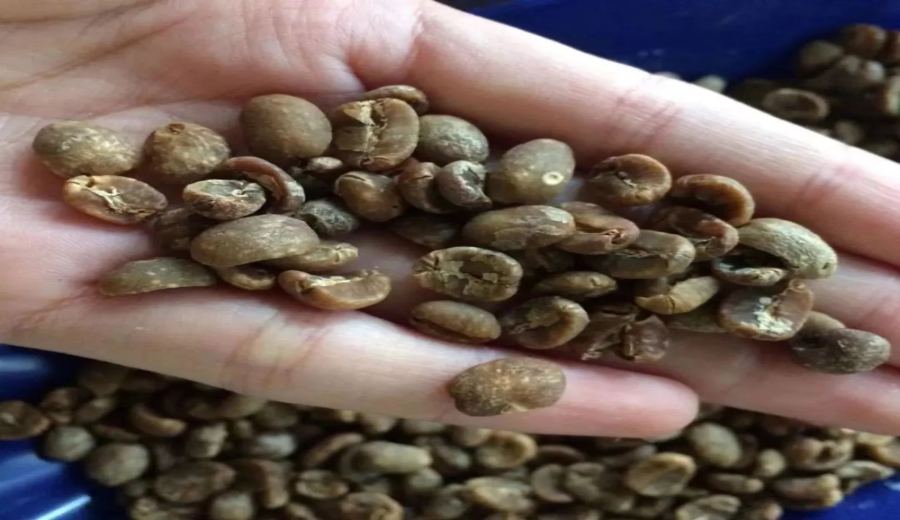
Introduction:Aged coffee beans develop unique and rich flavors through long-term storage, making them highly favored by dark roast and single-origin coffee enthusiasts. This article delves into the origins of aged beans, their storage conditions, and processing methods. Taking the classic aged Mandheling as an example, it explores the key steps from wet-hulled processing to three years of maturation, as well as the actual flavor changes such as reduced acidity and enhanced sweetness—helping you master the essentials of selection and brewing.
Aged coffee beans are green beans that have undergone extended and specialized storage. Their most notable characteristics include a significant softening of acidity, a marked increase in body, and a hint of honey-like sweetness. The flavor profile of these beans often evokes the image of tea leaves that have matured over time—steady and layered. In fact, the emergence of aged processing was not initially driven by a deliberate pursuit of flavor, but rather by an accidental discovery during the long sea voyages of coffee beans from Indonesia under Dutch colonial rule.
Dating back to the era of Dutch rule in Indonesia, the region was required to cultivate coffee on a large scale due to its geographical advantages, in order to meet the enormous demand for coffee beans in the European market. To ensure a stable supply, Dutch merchants stockpiled large quantities of beans in Indonesia. However, since transportation at the time involved crossing the entire Indian and Atlantic Oceans, often taking several months, the coffee beans would arrive in Europe long after the harvest season. Generally speaking, green beans tend to lose moisture and freshness during prolonged storage, which in turn affects their flavor performance.
Surprisingly, however, these coffee beans that underwent long sea voyages exhibited flavor characteristics that were completely different from what was originally expected. The once sharp acidity became mellow, the mouthfeel grew richer and fuller, and the aftertaste carried a lingering sweetness reminiscent of Pu’er tea, leaving a deep impression on European drinkers at the time. As a result, people began to research and refine the aging process, gradually developing systematic storage and management methods.
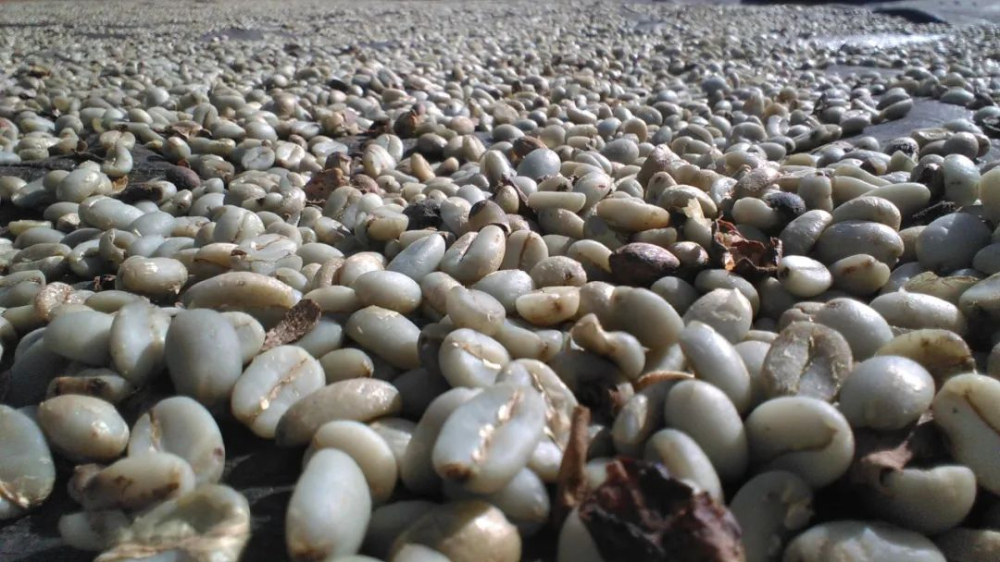
Not all coffee beans are suitable for aging. Typically, only green beans with full bodies, uniform particle sizes, and no obvious defects have the potential to become high-quality aged beans. Additionally, the aging process must be carried out at the origin to ensure consistent and controllable environmental conditions. Taking the renowned Indonesian aged Mandheling as an example, before officially entering the aging stage, these coffee beans first undergo traditional wet-hulling processing to remove the pulp and part of the outer layer, followed by rigorous manual sorting to retain only the highest-quality beans.
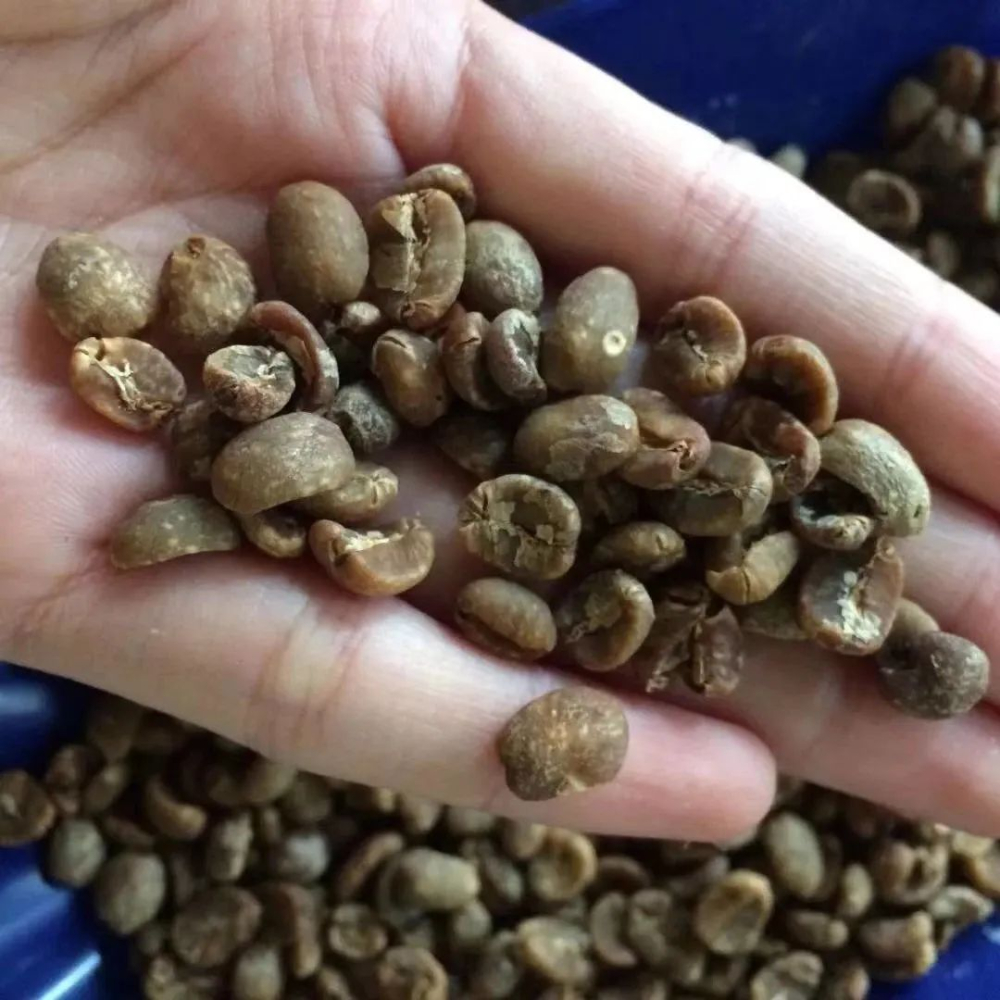
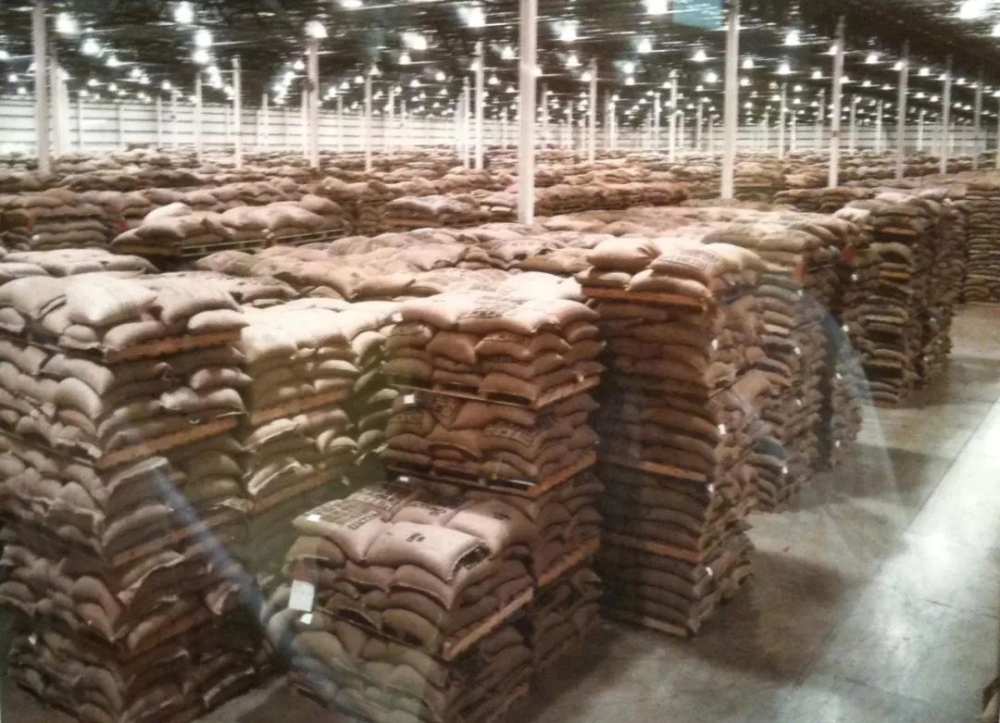
After sorting, these beans are transferred to a warehouse with good ventilation and cool conditions to begin the lengthy aging process. During this period, warehouse staff regularly turn the bean sacks—not only to ensure each bean is evenly exposed to air, preventing moisture or localized overheating, but also to promptly detect any moldy or insect-damaged beans for immediate removal to maintain overall quality. The entire aging procedure usually lasts about three years, during which the beans’ acidity gradually transforms into sugar compounds, the exterior appearance slowly turns into a deep brown, and the size slightly shrinks, forming a striking contrast with fresh green beans.
When these aged Mandhelings finally reach consumers, their flavor profiles often differ greatly from traditional Indonesian Mandheling. Fresh Mandheling is typically known for its intense herbal, earthy, and spicy notes, with a bold and assertive character; whereas Mandheling aged for more than three years exhibits a more restrained quality, with common flavor descriptions including pine, caramel, malt, dark chocolate, and even a hint of the mellow aftertaste reminiscent of Pu’er tea. This transformation makes aged Mandheling not only suitable for coffee lovers who prefer low acidity and heavy body, but also an excellent choice for single-origin enthusiasts seeking to explore deeper flavor dimensions.
The above content is compiled by CoffeeHunters, a coffee news website.


