







Introduction:Luxury brand Gucci has been making frequent moves in the coffee market in recent years — from free Ancora Red coffee trucks on the streets of Beijing and Shanghai to collaborating with Grid Coffee, Blue Bottle Coffee, and %Arabica to launch limited-time pop-up stores. Each move has sparked heated discussion. This article takes you through how Gucci is testing the coffee market through cross-industry collaborations, and how this “triple-limited” experiment — limited stores, limited duration, and limited products — successfully captured consumer attention, as well as exploring the strategic intentions behind it.
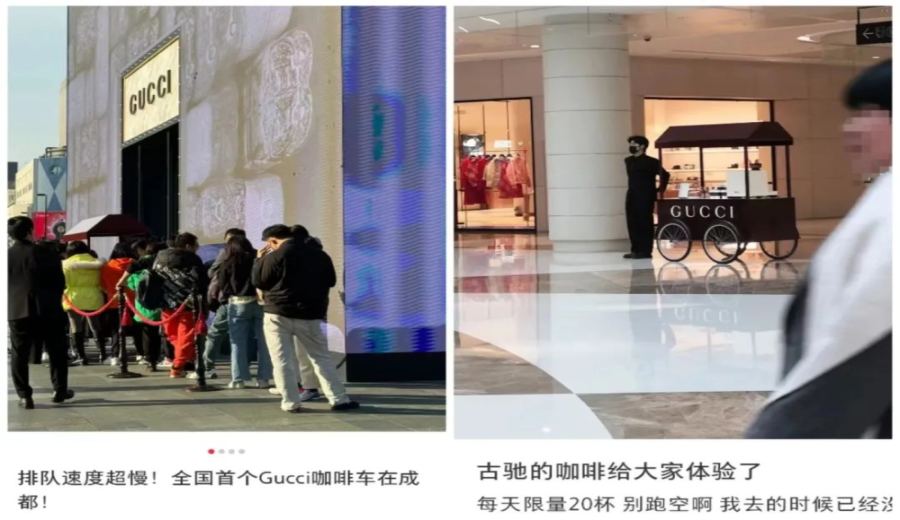
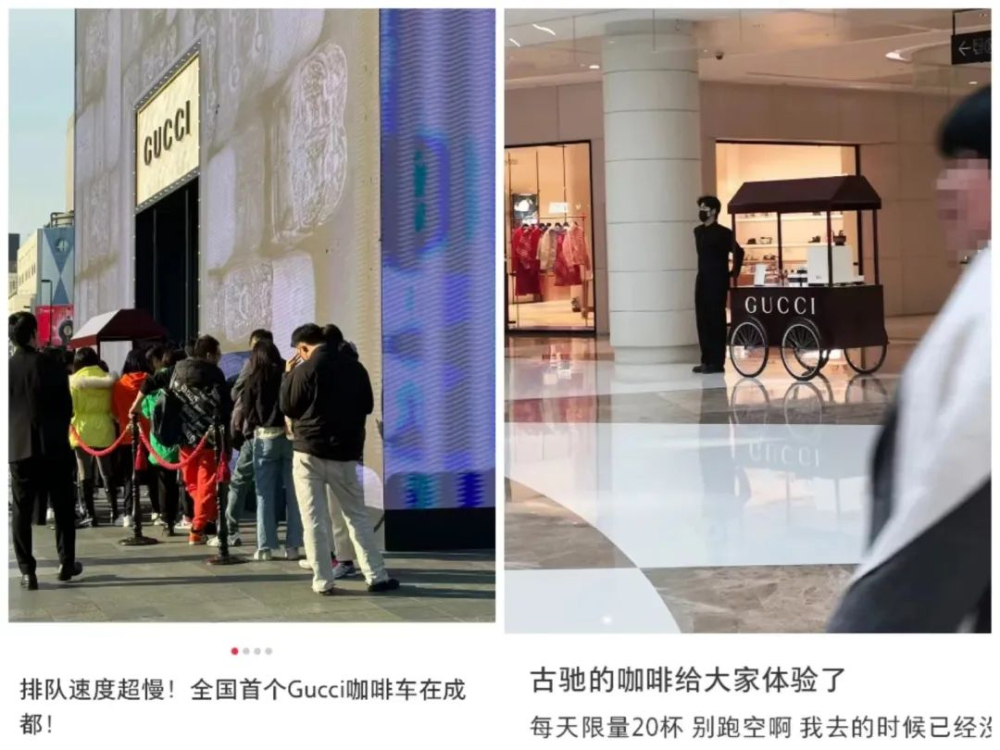
In recent years, luxury brand Gucci has been actively expanding into non-traditional fields, with the coffee market becoming an important part of its cross-industry experimentation. The brand first launched Ancora-themed free coffee trucks in commercial districts of first-tier cities such as Beijing and Shanghai, aiming to promote its highly anticipated Ancora collection showcased at Milan Fashion Week. This eye-catching red coffee truck indeed succeeded in drawing many passersby to stop and take photos. However, it also sparked considerable discussion due to limited supply, long queues, and some consumers expressing that the coffee flavor did not meet expectations.
In response to the initial feedback, Gucci quickly adjusted its strategy by partnering with three representative boutique coffee brands in China — Grid Coffee, Blue Bottle Coffee, and %Arabica — to simultaneously launch a one-week pop-up coffee shop in four cities: Beijing, Shanghai, Shenzhen, and Chengdu. This collaboration was not only limited to specific stores but also set to run for just one week, with each store offering different exclusive drinks, creating a “triple scarcity” of store location, time duration, and product offerings, which successfully ignited a buying frenzy among consumers.
It is understood that consumers can visit Grid Coffee at Sanlitun in Beijing, Blue Bottle Coffee at Zhangyuan in Shanghai, %Arabica at MixC in Shenzhen, and %Arabica at Taikoo Li in Chengdu to purchase the Gucci collaboration coffees. This partnership model with professional coffee brands presents a sharp contrast to Gucci’s earlier strategy of setting up its own coffee trucks, and has led many consumers to give higher ratings to the product quality. However, since the exclusive drinks offered by each brand were different, many consumers expressed, “I can only choose one, and I’m really torn.”
This time, Gucci did not limit itself to collaborating with a single coffee brand but partnered with three simultaneously, prompting market speculation about its underlying intentions. Some observers suggest that Gucci may be using this “wide-net” approach to test different collaboration models and market responses, and may select a long-term partner in the future based on sales performance and brand alignment. Other analyses believe that the locations of these pop-up stores are all close to the venues of the Ancora series exhibitions, aiming to attract foot traffic through coffee and further promote that season’s themed collection.
In recent years, the global luxury market has faced challenges of slowing consumption. To attract younger demographics, Gucci has not only sought breakthroughs in design language but has also actively integrated lifestyle elements deeply favored by Gen Z, such as coffee. By collaborating with local boutique coffee brands, Gucci has not only successfully generated buzz but also tested the market’s acceptance of its brand extensions. However, whether this wave of coffee enthusiasm can effectively translate into luxury sales momentum remains to be seen over time.
Overall, Gucci’s cross-industry coffee experiment — from the initial free coffee trucks to the subsequent boutique-brand collaboration pop-ups — not only demonstrates the brand’s rapid responsiveness to market feedback but also highlights the luxury industry’s innovative attempts in seeking a transformation toward youthfulness and lifestyle integration. For consumers, in addition to experiencing these limited-time collaboration drinks firsthand, they can also observe how luxury brands are seeking new growth points in non-core areas.
The above content is compiled by CoffeeHunters, a coffee news website.


