







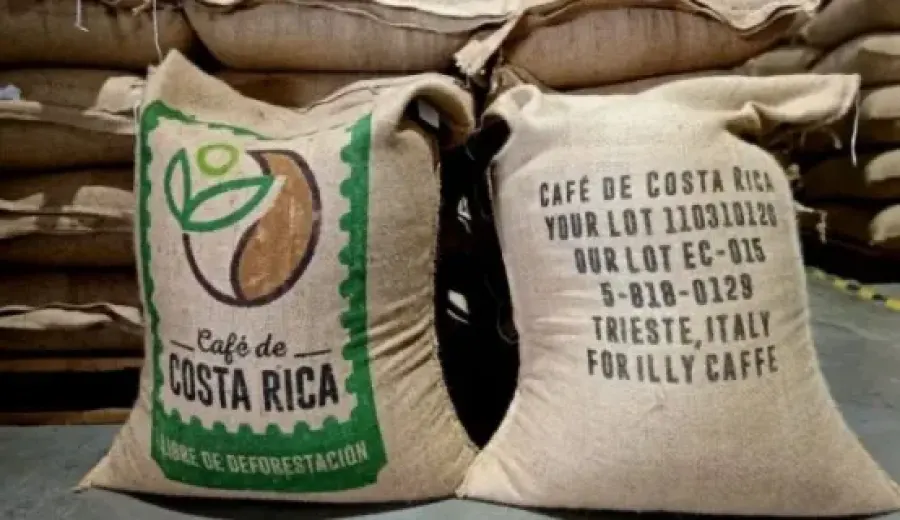
Introduction:As the European Union strictly implements the Deforestation-Free Regulation (EUDR), Costa Rica has taken the lead by launching the first batch of specialty coffee that meets the new standards. A total of 275 bags, each weighing 60 kilograms, of high-quality beans have been dispatched from the Tarrazú Cooperative and are on their way directly to the Italian market. This green initiative, jointly promoted by the United Nations Development Programme and the Costa Rican Coffee Association, not only demonstrates a commitment to sustainable production but may also become a key strategy for small and medium-sized producing regions to tackle climate change and international competition.
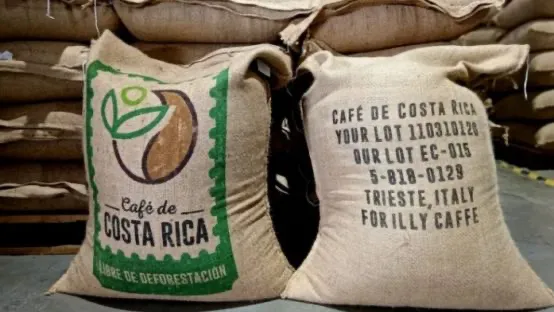
Following the full implementation of the EU Deforestation-Free Regulation (EUDR), Costa Rica quickly responded by successfully exporting the first batch of coffee beans that fully comply with EUDR standards. These premium beans, sourced from the renowned Tarrazú Cooperative in a key producing region, totaled 275 bags, each weighing 60 kilograms, and have been officially sold and shipped to the Italian market. This landmark collaborative project, jointly driven by the United Nations Development Programme and the Costa Rican Coffee Institute (ICAFE), is seen as a crucial step in upgrading the country’s coffee industry and adapting to global climate change.
According to local Costa Rican media reports, this record-breaking “deforestation-free coffee” was harvested from coffee cherries collected after December 2020. The entire production process strictly adhered to the principle of not expanding cultivation at the expense of native forests, fully complying with all stringent requirements of the EU Deforestation Regulation (EUDR). The high-quality coffee has now confirmed buyers and is set to be transported directly from the origin to the Italian consumer market.
As the EU’s first “Deforestation-Free Regulation,” the EUDR officially took effect in June this year. It clearly stipulates that all operators selling coffee, cocoa, and other commodities within the EU must conduct comprehensive due diligence, meticulously trace the origin of the products, and prove that their production processes have not caused any deforestation or land degradation. Violators will face severe penalties, including hefty fines, export restrictions, and even market bans.
Officials in charge of this pilot project specifically pointed out that Costa Rica’s successful export of deforestation-free coffee is a model case of national-level proactive response to climate change. Given that the country’s coffee exports are highly dependent on the U.S. and EU markets, with the EU accounting for38.4%of total exports, failing to continue investing in sustainability and green certification will gradually erode its competitive edge in the international market.
The project leader further explained that the choice to collaborate with the Los Santos region in Costa Rica was primarily based on its long-standing position as the country’s top coffee-producing area. Partnering with the Tarrazú Cooperative, the nation’s largest coffee growers’ cooperative, was driven by its solid foundation and extensive experience, supported by over4,500active producers.
This green certification collaboration has been listed as one of the key projects in the transformation of Costa Rica’s coffee industry. Notably, the country’s coffee sector is currently facing multiple challenges. According to forecasts from the Costa Rican Coffee Institute (ICAFE), due to the combined impact of unusual weather and labor shortages, the 2023/24 harvest season is expected to see a decline in coffee production of13%, with exports also decreasing accordingly. Meanwhile, neighboring Central American countries such as Honduras, Guatemala, and Peru are showing strong supply capabilities, allowing buyers to obtain coffee of similar quality at more competitive prices. In this market environment, adopting deforestation-free certification and green production models will be a critical strategy for Costa Rica to maintain its market position and enhance product added value.
The above content is compiled by CoffeeHunters, a coffee news website.


