







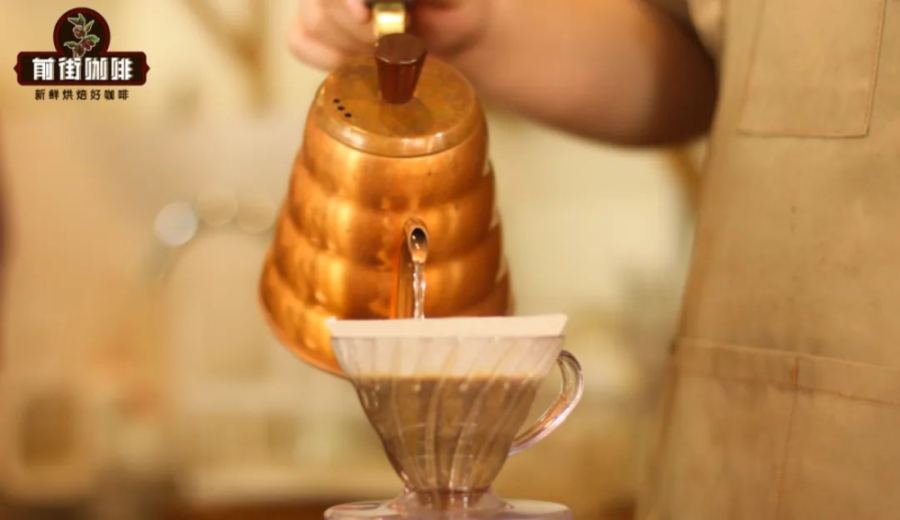
Introduction:The pouring height in pour over coffee is not just a matter of technique—it directly affects the water column’s penetration power, cooling rate, and vertical stability, which in turn influence the evenness of extraction and the resulting flavor profile. Whether you prefer high pours or pouring close to the coffee bed, understanding the principles behind different heights can help you adjust based on your kettle type and technique, avoiding common issues like uneven extraction or flavor imbalance, and brewing more balanced and consistent specialty coffee.
During the pour over process, many people focus on grind size, water temperature, and brew ratio, yet overlook the seemingly simple factor of pouring height, which actually plays a crucial role. The distance between the kettle spout and the coffee grounds significantly alters the water column’s penetration power, the heat dissipation efficiency of hot water, and the vertical stability of the water flow, all of which further impact overall extraction performance and the final flavor profile.
Some coffee enthusiasts prefer to hold the kettle high, letting the water fall vertically from a certain height, while others opt to keep the spout as close to the coffee surface as possible for a gentler pour. Both methods have their pros and cons. The key lies in understanding how different heights practically affect extraction, then adjusting according to your equipment and technique to effectively enhance brew quality.
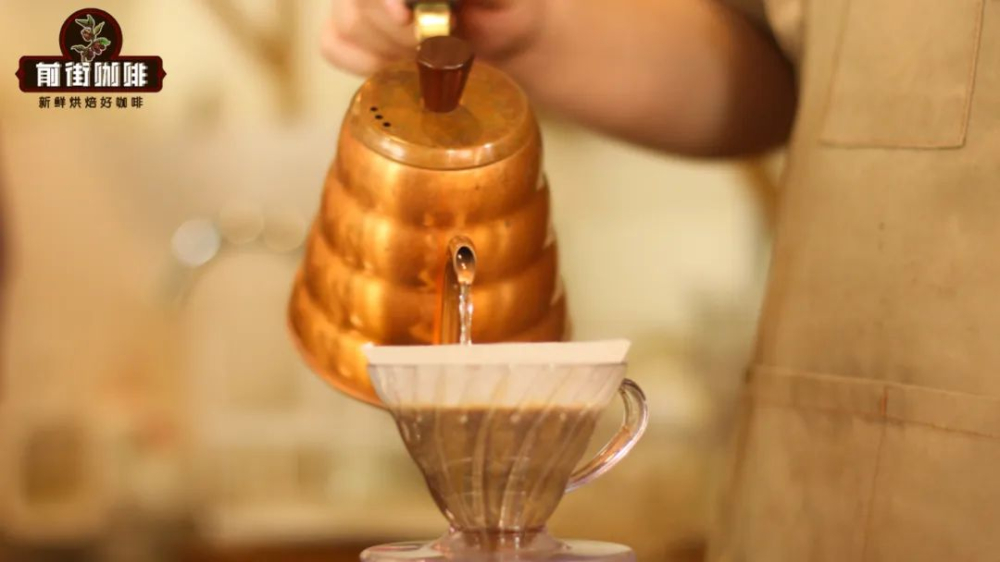
One of the most直观 changes is the water column’s penetration power. When the pouring height is higher, the water column gains greater impact force due to gravitational acceleration, allowing it to more deeply agitate the coffee bed, which helps increase the contact area between water and coffee and speeds up extraction. However,excessive penetration power can lead to over-extraction, releasing too many bitter and astringent compounds, especially when using a finer grind or fresher beans, which can more easily result in unbalanced flavors.
Additionally, when water falls from a height, the flow tends to be thicker at the top and thinner at the bottom, forming a conical shape. When the height exceeds about 7 centimeters, the water column may break into discontinuous droplets, causing localized over-wetting or drying of the coffee bed, which in turn affects the overall uniformity of extraction. Therefore, if you prefer high pours, it’s recommended to keep the distance between the kettle spout and the coffee surface within 7 centimeters to maintain the continuity and stability of the water column.

Another important factor is the cooling rate of hot water. Once the water leaves the spout, it immediately comes into contact with air, causing rapid heat loss. The higher the pouring height, the greater the surface area of the water column exposed to air, and the more noticeable the heat loss becomes. This can result in an actual brewing temperature lower than expected, thereby affecting flavor development.
Especially in winter or in low ambient temperature environments, if you’re accustomed to high pours, it’s advisable to slightly increase the brewing water temperature by 1–2°C to compensate for heat loss and ensure that the aromatic compounds in the coffee beans are fully released. Such fine-tuning can effectively maintain brewing temperature and prevent issues like weak or underdeveloped flavors.
Finally, the verticality of the water column is also a key factor influencing extraction uniformity. Many pour over kettles are not designed to pour water perfectly vertically, especially when the pouring height is increased—the flow only gradually becomes more vertical. If you try to pour vertically at a low height, the kettle design may instead cause the water to deviate, failing to land precisely on the target area and leading to uneven pressure on the coffee bed.
Therefore, if your kettle spout tends to produce a wider-angle flow at lower heights, it’s recommended to slightly raise the pouring height, allowing the water to naturally adjust to a more vertical angle as it falls, thereby improving the stability and consistency of water contact with the coffee bed.

In summary, choosing the right pouring height requires balancing three key factors: penetration power, heat loss, and water flow stability—all of which influence overall extraction efficiency and flavor expression. In practice, many experienced brewers control the pouring height between 3–4 centimeters, depending on their kettle type and personal feel. This range usually offers a higher margin for error while balancing flow stability and moderate agitation of the coffee bed.
However, this is not the only standard—ultimately, adjustments should be made flexibly based on actual conditions (such as bean variety, roast level, grind size, and brewing style). As long as you understand how different heights affect the behavior of the water column and experiment with your own equipment, you can gradually find the pouring strategy that works best for you, brewing stable and well-balanced pour over coffee.

The above content is compiled by CoffeeHunters, a coffee news website.


