







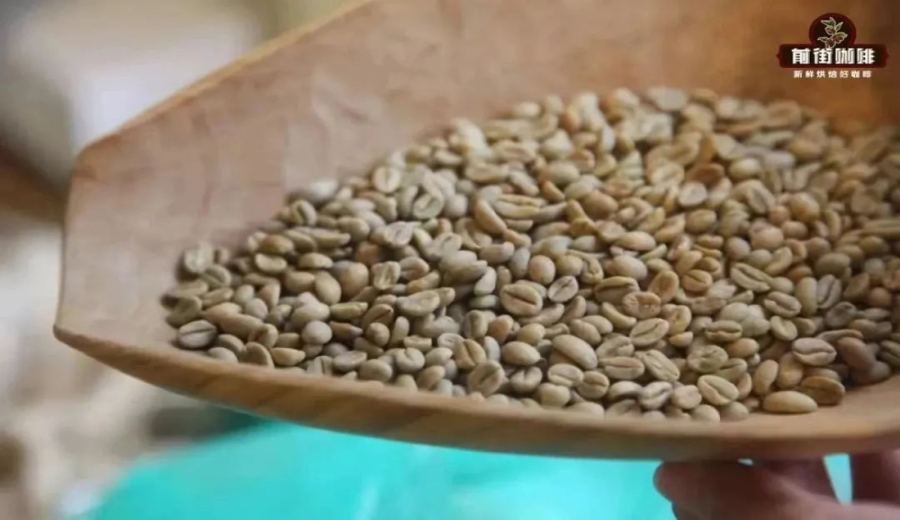
Introduction:Understanding the freshness grading of green coffee beans helps you choose the most suitable beans for pour over or other brewing methods. This article delves into the definitions, moisture content changes, and time-based criteria for new, past crop, old, and aged beans, debunks common misconceptions, and offers practical storage tips—so you can master optimal flavor from bean selection to brewing.
The freshness of green coffee beans directly impacts brewing results and flavor expression. The industry generally categorizes them into four types: new, past crop, old, and aged beans. However, these classifications are not determined solely by harvest year but also take into account transportation time, moisture content changes, and storage conditions. Especially for imported beans, it often takes several months from harvest and processing at origin to reaching the consumer, so the definition of a “new crop” differs from everyday time perception.
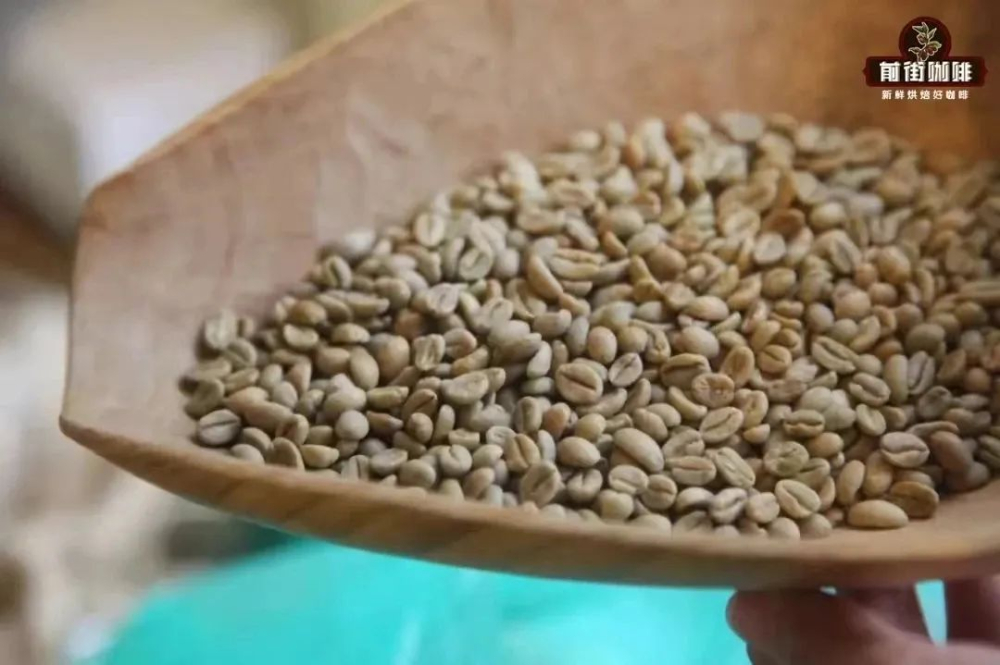
The so-called “new beans” refer to green coffee beans harvested in the current season. However, many people mistakenly assume that the “current season” means beans harvested that same year. In reality, since most specialty coffee beans rely on imports, it often takes two to six months from origin to consumer. For example, many producing regions have their harvest seasons concentrated between October of one year and January of the next. If shipped by sea, the beans typically arrive between April and June of the following year. Although the calendar may suggest a new year has begun, this batch of beans is indeed from the latest harvest and is therefore still classified as new beans.
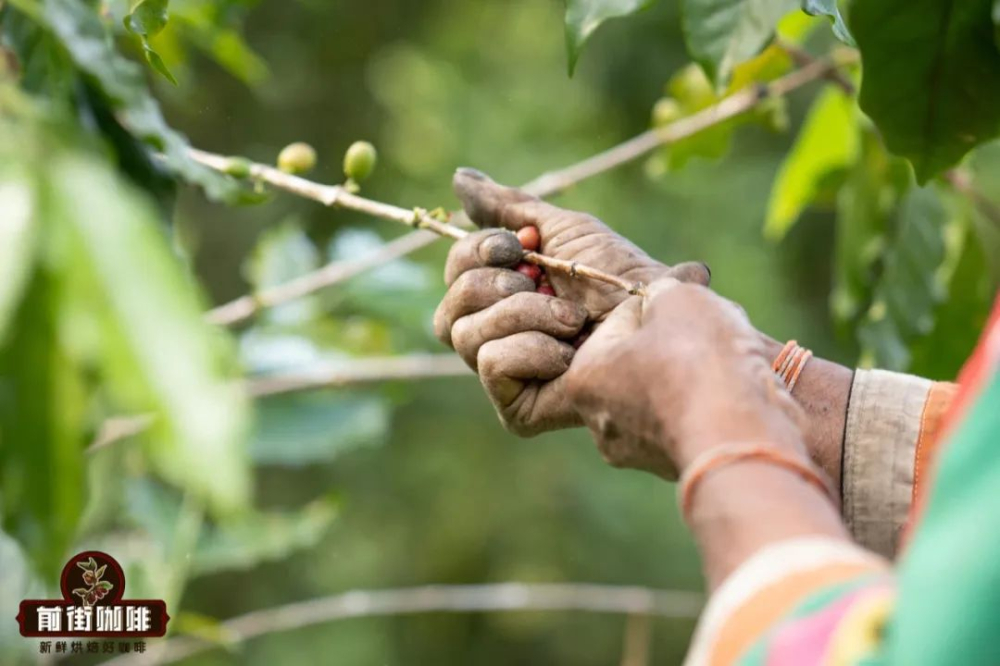
Next are “past crop” beans, also referred to as Past Corp, which are beans harvested in the previous season or green beans stored for more than 365 days. The most noticeable difference between new and past crop beans lies in moisture content. Freshly processed green beans generally maintain a moisture content of 11% to 13%, a range that aids in long-term preservation and reduces the risk of spoilage. Over time, moisture content gradually decreases. When it drops to 10% to 11%, the beans are considered to have entered the past crop stage. If it falls further below 10%, they are often regarded as “old beans.”
Old beans (Old Corp) usually refer to green beans stored for more than two years. The moisture content of these beans generally drops to 9% to 10%. Not only do they lose weight, but their overall flavor and quality also noticeably decline. When roasting old beans, it’s especially important to shorten the roasting time, but their flavor performance is often inferior to that of fresh beans. It’s worth noting that some specially processed “aged beans,” despite being stored for a long time, may have more unique flavors due to properly controlled conditions—this is fundamentally different from ordinary old beans.
As for “aged beans,” often simply called “aged” beans, they are typically stored for more than three years but are not classified as old beans. The reason these beans can be preserved long-term while maintaining good flavor is due to special processing and controlled conditions, similar to the curing and aging process of cured meats. Ordinary coffee beans, without special treatment, would have molded or lost all flavor after three years, but aged beans, through controlled moisture content, storage environment, and temperature-humidity conditions, can develop unique aged aromas and complexity during long-term storage—offering coffee enthusiasts another gateway to exploring flavor.
In summary, the distinction between new, past crop, old, and aged beans is mainly based on harvest time, moisture content changes, and storage conditions. When judging bean freshness, you shouldn’t just look at the year but also understand their origin, transportation time, and storage method. Whether you’re choosing beans suitable for pour over or adjusting brewing parameters, understanding these grades and characteristics can help you more accurately grasp the flavor potential of coffee and avoid common pitfalls in bean selection and storage.
The above content is compiled by CoffeeHunters, a coffee news website.


