







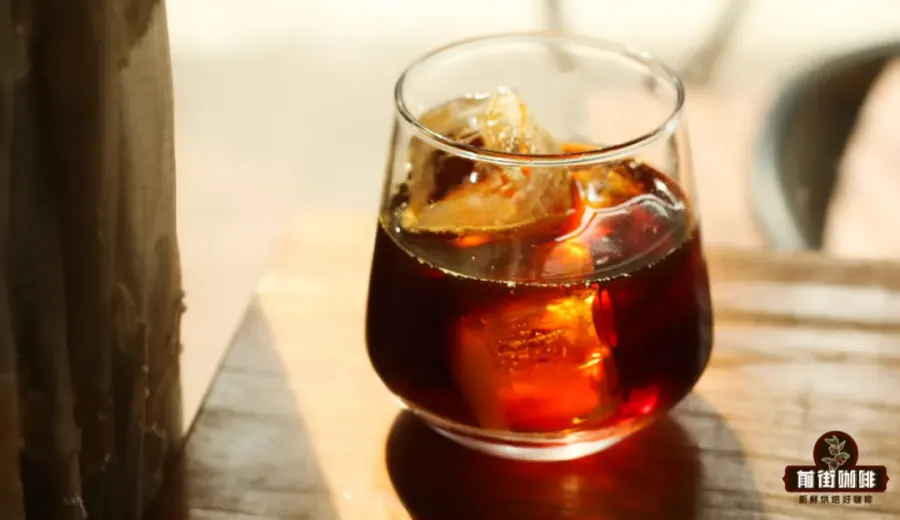
Introduction:Have you ever, while making cold brew, followed the logic of pour over brewing by grinding the coffee finer in hopes of achieving higher concentration? Experiments have revealed that grinding too fine during cold brew can actually lead to lower coffee concentration, and the truth is closely related to the mechanism of prolonged steeping extraction. This article, through detailed experimental data and in-depth analysis, helps you master the correct grinding strategy to make more delicious and rich cold brew coffee.
When making cold brew coffee, many people follow the grinding habits used for pour over, believing that simply grinding finer will improve extraction efficiency and thus make the coffee more intense. However, actual testing shows that this logic does not apply to cold brew. Comparative experiments found that when the grind size for cold brew is adjusted finer, the final extracted concentration is actually lower. The reason behind this is directly related to the long-term steeping method used in cold brew.
The common extraction mindset is that the finer the coffee grounds, the larger the total surface area, allowing hot water to penetrate a broader contact area, which helps release more flavor compounds and thereby increases extraction yield. However, this method suitable for fast hot water extraction does not necessarily work the same way under the low-temperature, long-steeping conditions of cold brew.
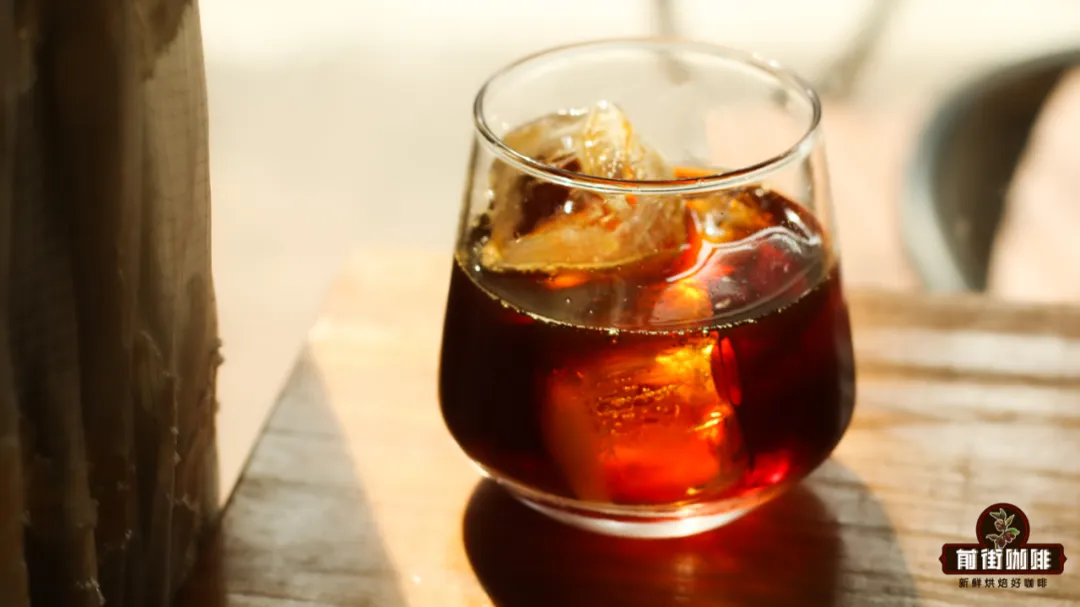
To better understand the impact of grind coarseness on the concentration of cold brew coffee, an experiment was designed using two different grind sizes to make cold brew, comparing their performance under the same conditions.
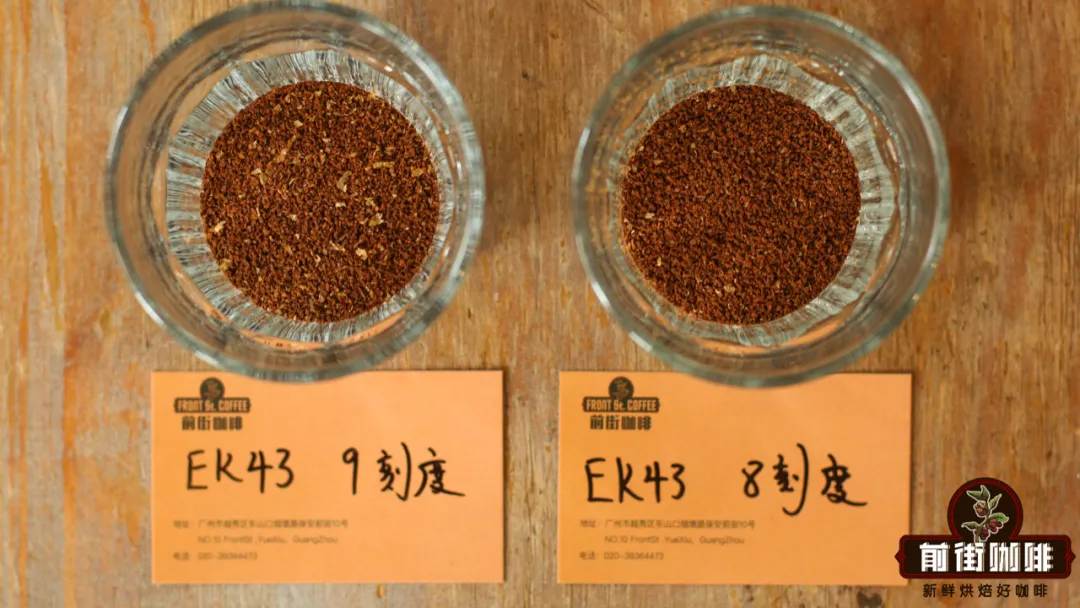
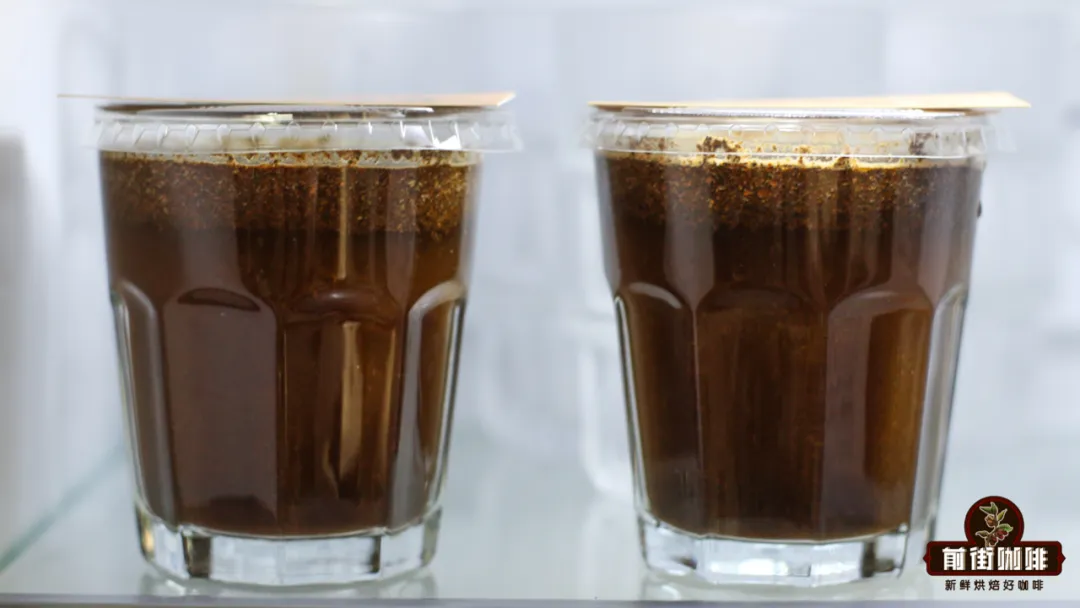
The coffee beans selected for the experiment were Costa Rica · Bahia. One group used a grind size close to pour over, slightly coarser — that is, setting 9 on the Ek43 grinder (equivalent to 0.5 coarser than the commonly used pour over setting of 9.5), while the other group was ground even finer to setting 8 on the Ek43. Both groups used a 1:10 coffee-to-water ratio (20 grams of coffee with 200 milliliters of water), and were steeped in a refrigerated environment for 8 hours before filtration and concentration measurement.
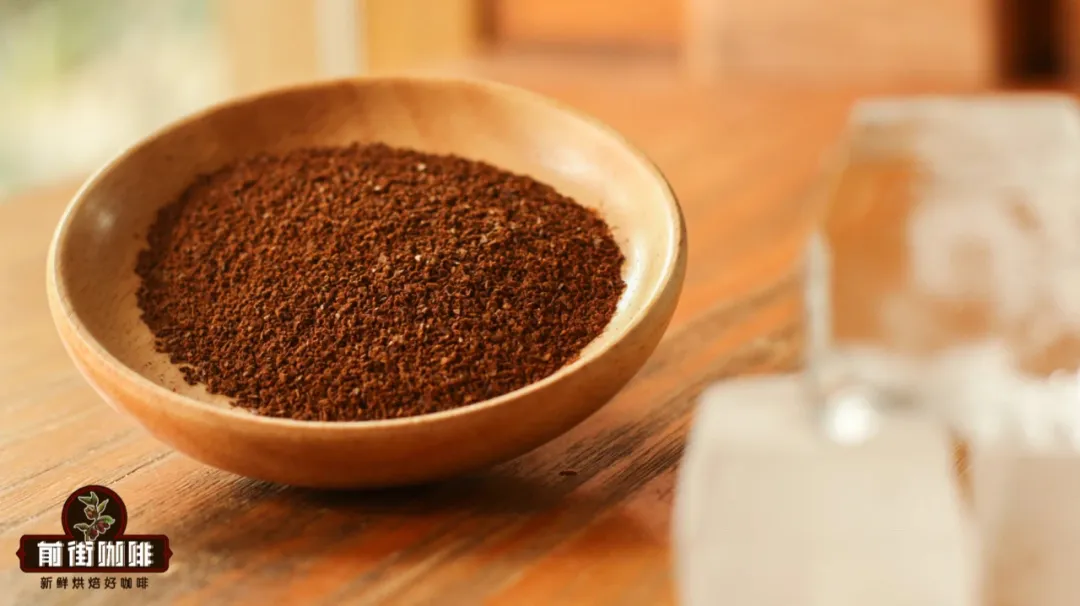
The test results showed that the cold brew made with the Ek43 9 setting (coarser) had a concentration of 2.3%; whereas the coffee ground to the Ek43 8 setting (finer) had a concentration of only 2.1%. This proves that cold brew coffee ground finer did not increase concentration as expected, but instead showed a downward trend.
Why does this happen? The key lies in the way cold brew is made. Throughout the process, the coffee grounds and water are left to steep at low temperature for an extended period. At first, the coffee grounds, impacted by the water, mostly float to the top of the liquid. Over time, as the coffee particles absorb water and gradually become heavier, they slowly sink to the bottom. However, during this process, overly fine coffee grounds tend to form denser clumps, hindering even water penetration and leading to under-extraction in some areas, which in turn affects the overall concentration.
Additionally, although finer grinding increases surface area, under the low temperature and prolonged soaking of cold brew, it does not necessarily result in higher extraction efficiency. On the contrary, it may disrupt the balance of extracted flavor compounds or lead to an overly harsh mouthfeel, negatively affecting the overall drinking experience.
Therefore, for cold brew coffee, it is recommended to use a medium to slightly coarse grind size, which helps water penetrate more smoothly while maintaining stable extraction yield and flavor balance. Grinding too fine not only fails to effectively boost concentration but may even produce the opposite effect.
In summary, grind adjustment for cold brew is fundamentally different from that of pour over. If you want to make rich and balanced cold brew at home, start with a moderate grind coarseness and find the parameter combination that best suits your taste through practical testing. Never directly apply pour over methods to cold brew — otherwise, the result may be just the opposite of what you intended.
The above content is compiled by CoffeeHunters, a coffee news website.


