







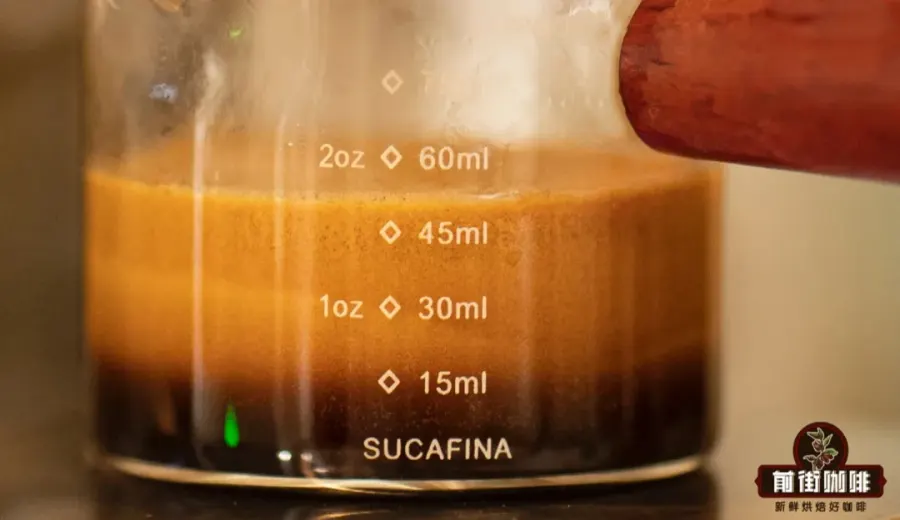
Introduction:When making espresso, whether or not to place a filter paper at the bottom of the portafilter basket can have a significant impact on the extraction results. Through practical comparative experiments, we found that using filter paper can effectively reduce fine particles, but it also alters extraction time and flavor profile. This article delves into the specific effects of filter paper on espresso extraction and provides parameter adjustment suggestions to help you achieve more precise coffee control.
In the process of crafting the perfect shot of espresso, fine particles are always a double-edged sword for baristas. These tiny coffee granules can contribute to an inviting crema (the coffee’s oily layer), but they also tend to cause channeling, unstable flow rates, and even bring an unpleasant bitter aftertaste to the entire cup. To address the issue of fine particles, there are two common methods: one is to scrape off the surface foam after extraction, which also removes some of the fine particles; the other is to place a pre-moistened round filter paper at the bottom of the basket before dosing the coffee. The latter method seems gentle and precise, but does it really maintain extraction quality without compromising the overall coffee performance?
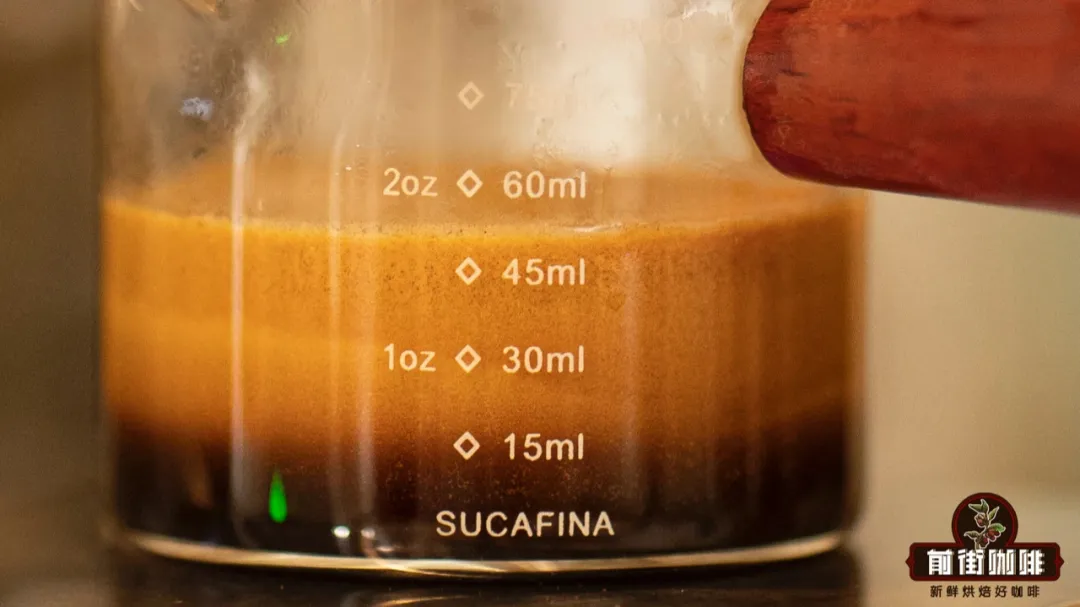
Currently, common methods for removing fine particles in the market can be roughly divided into two categories. The first is the more familiar “post-extraction cleanup method”: after completing the espresso extraction, gently scrape off the crema floating on the top, which usually carries most of the fine particles. The second is the more preventive “pre-filter paper method” — placing a suitably moistened filter paper at the bottom of the basket before adding the coffee grounds, using the fine mesh of the paper to filter out extremely small particles. This method does not come into direct contact with the extracted coffee liquid, and is therefore considered gentler.
But many coffee professionals still have questions: “Can this kind of filter paper truly intercept all fine particles without affecting normal extraction?” To find the answer, we conducted a series of practical extraction tests.
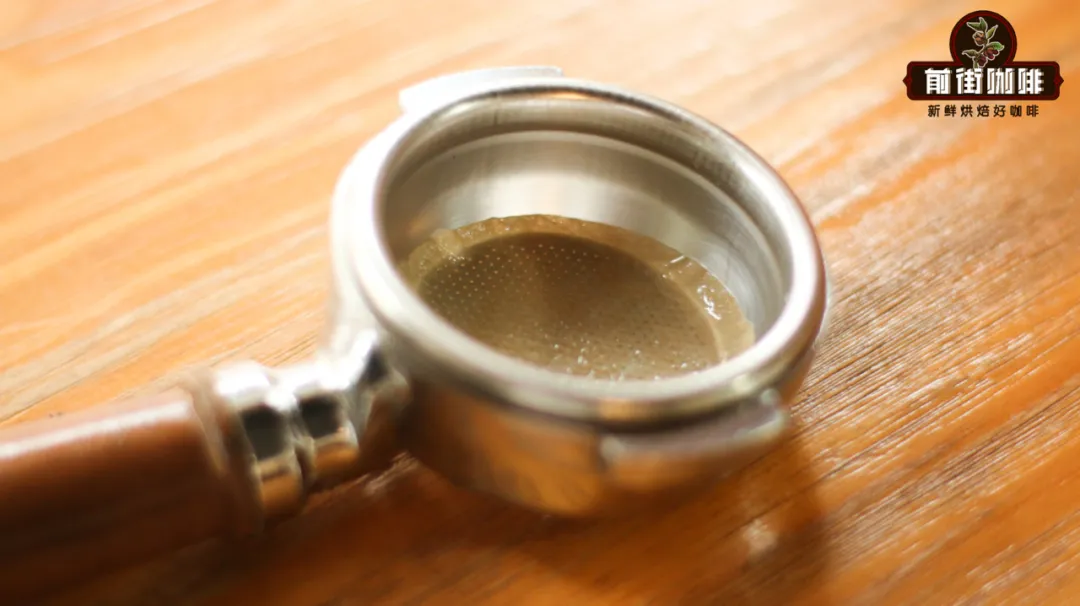
This experiment was set up using the same coffee bean weight — 20 grams — with the target liquid yield fixed at 40 milliliters. The only difference between the two groups was that one group added a pre-moistened filter paper at the bottom of the basket. The results showed that the control group without filter paper had an overall extraction time of about 30 seconds, which falls within the common standard range; whereas the experimental group with filter paper completed extraction in just 26 seconds, significantly faster.
From the final flavor profile and data, the espresso made with filter paper had noticeably weaker body, and the overall flavor complexity and intensity were slightly inferior. More specifically, professional concentration measurements revealed that the extraction yield of the conventional shot was 21.88%, while the version using filter paper dropped to 20.23%. Although this difference may seem minor, in the precise world of coffee, it is enough to affect the final sensory experience.
However, the advantages of using filter paper are also evident: after extraction, the coffee liquid showed almost no visible suspended or settled fine particles, and the taste was noticeably “cleaner.” This shows that using filter paper does indeed achieve the goal of effectively filtering out fine particles, but it also changes the flow rate and extraction efficiency. Therefore, it becomes necessary to make appropriate adjustments to grind size and other extraction parameters to restore or optimize the original flavor profile.
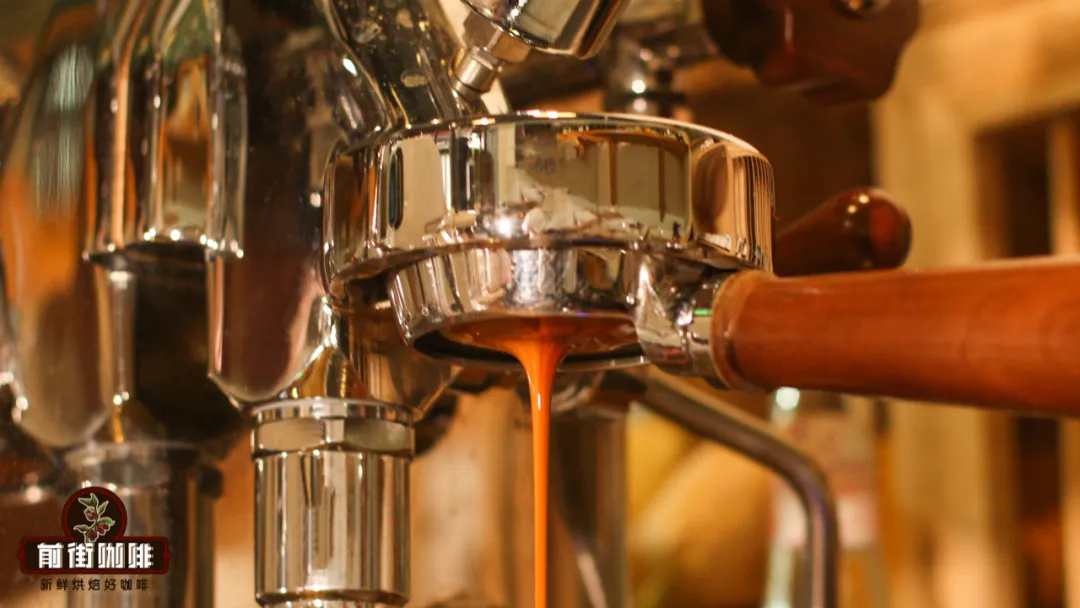
According to further experimental adjustments, after slightly fine-tuning the grind to a finer setting, the espresso extracted with filter paper showed significant improvement in flavor. Not only was the thinness caused by fine particle filtration improved, but the overall aroma complexity also became richer again, and the bitter aftertaste was noticeably reduced. This shows that although using filter paper changes the initial conditions of extraction, proper fine-tuning can still achieve high-quality espresso.
So why does a single sheet of filter paper have such a noticeable impact on the overall extraction? The key lies in the complex composition and flow characteristics of coffee grounds themselves.
Generally speaking, coffee grounds are a mixture of particles of various sizes. Among them, the very small fine particles can pass through the holes in the basket and escape along with the release of carbon dioxide, forming the familiar crema layer. But these fine particles can also sometimes get stuck in the holes of the basket, causing partial blockages that affect the even distribution of water flow and extraction time. If you’ve ever tapped the coffee puck after extraction and looked at the basket against a light source, you’ll easily notice those tiny openings blocked by fine particles.
These blockages slow down the water flow, causing hot water to stay in contact with the coffee grounds for a longer time, which in turn affects the overall balance of extraction. When we place a filter paper at the bottom of the basket, the fibrous structure of the paper directly covers these holes, preventing fine particles from clogging the exits. As a result, water flows more smoothly, and extraction time naturally shortens. However, a faster flow rate also means shorter contact time between water and coffee grounds, leading to reduced efficiency in releasing aromatic compounds — which is the main reason why extraction yield and flavor intensity generally decline after using filter paper.
Overall, placing a filter paper at the bottom of the basket can indeed effectively reduce the negative impact of fine particles on extraction, especially for baristas or home enthusiasts who prefer a cleaner taste and want to avoid dealing with excessive crema residue. But it also reminds us that any auxiliary method that alters the extraction environment must be paired with corresponding parameter adjustments to achieve the desired flavor balance. Through this experiment, we have gained a clearer understanding of the subtle relationship between fine particles, filter paper, and flow rate, and have provided more flexible adjustment ideas for daily extraction.
The above content is compiled by CoffeeHunters, a coffee news website.


