







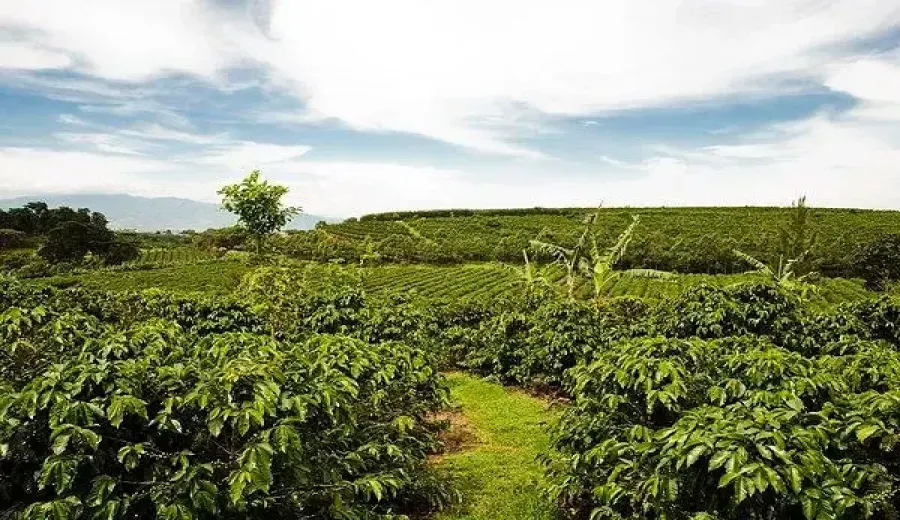
Introduction:Dive deep into the H1 hybrid coffee beans from Finca Carte in the Tarrazú region of Costa Rica. From the terroir environment and varietal characteristics to the raisin honey processing method, this article provides a comprehensive analysis of this specialty coffee with its intense dried fruit and berry flavors. Practical pour over parameters and flavor guidance are also included to help you achieve the optimal extraction.
Costa Rica is one of the first countries in Central America to adopt a commercial coffee cultivation model. With its superior natural environment and rigorous quality control, the country’s coffee has secured a place in the global market, ranking 14th in global production. Among its many coffee-growing regions, Tarrazú in the central mountain range is not only the first in the country to receive official origin certification but also one of the most representative specialty coffee origins.
The Tarrazú region benefits from the warm, moist air currents of the Pacific Ocean, receiving up to 2,400 mm of rainfall annually. With elevations generally ranging between 1,500 and 2,100 meters, mineral-rich volcanic soils, and a stable temperature range of 17°C to 28°C, it creates an ideal environment for cultivating high-quality Arabica coffee. The coffee produced here often exhibits bright acidity, full body, and rich aroma, making it a “must-try” origin for many coffee enthusiasts.
Among the many high-quality farms in Tarrazú, Finca Carte stands out due to its location in the highest-altitude section of the region. This area is also an important fruit-growing belt in Costa Rica. In addition to growing passionfruit, the farm has set aside a dedicated section where coffee is cultivated under meticulous management. The farm is jointly operated by the three Robles brothers—Leo, Elian, and Melvin—who manage the land together. Using a small-scale processing facility, they strictly control every step of the process—from harvesting to post-harvest—selecting only fully ripe red cherries for processing.
The coffee variety grown at Finca Carte is H1, a first-generation F1 hybrid originating from the Sebaco laboratory in Nicaragua. It is the result of crossing two parent varieties: T-5296 (also known as Sarchimor) and Sudan Rume. H1 is renowned for its exceptional yield performance. In high-altitude environments, its output can be 22% to 47% higher than that of conventional varieties. Moreover, under high altitude and good management, it often showcases outstanding flavor complexity. However, because its hybridization process involves seeds and is technically complex, it currently can only be propagated through cloning and cannot be mass-produced via traditional seeds.
The coffee beans introduced in this article are the “Mozart” beans produced by Finca Carte, grown at an altitude of1800 meters, and processed using the currently highly regardedraisin honey processing method. This method is similar to yellow honey processing, but after removing the pulp, it retains a higher proportion of mucilage. During drying, the coffee beans undergo fermentation akin to raisins, resulting in a more intense sweetness and complex aroma.
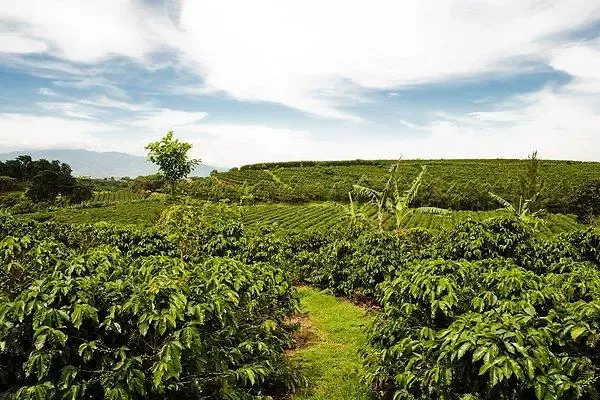
After medium roasting, these Mozart beans are well-suited for pour over brewing. It is recommended to use a V60 dripper, with a brew ratio set at1:15, and water temperature controlled at around92℃. During the brewing process, you can clearly detect floral notes and fermented syrup aromas. Upon tasting, the initial impression is a rich sweetness reminiscent of raisins and dried fruits, followed by the bright acidity of starfruit and berries. The overall mouthfeel is smooth and delicate, with a lingering aftertaste of mellow cane sugar sweetness, offering a long and layered finish.
For coffee enthusiasts who enjoy exploring different processing methods and varietal profiles, the H1 Mozart beans from Finca Carte are an excellent choice that fully showcases the potential of the Tarrazú region. Whether as a daily pick or for deeper tasting sessions, they deliver a rich flavor experience and learning value.
The above content is compiled by CoffeeHunters, a coffee news website.


