








Introduction:Starbucks made a high-profile launch of its olive oil coffee series in Shanghai, with founder Howard Schultz personally appearing on stage, yet it failed to generate enthusiastic consumer response. Meanwhile, Luckin Coffee’s Huangshan Maofeng Latte also suffered a decline in public reception. This article will conduct an in-depth analysis of the recent market performance of new products from chain coffee brands, exploring how brands can break through innovation bottlenecks and avoid consumer aesthetic fatigue.
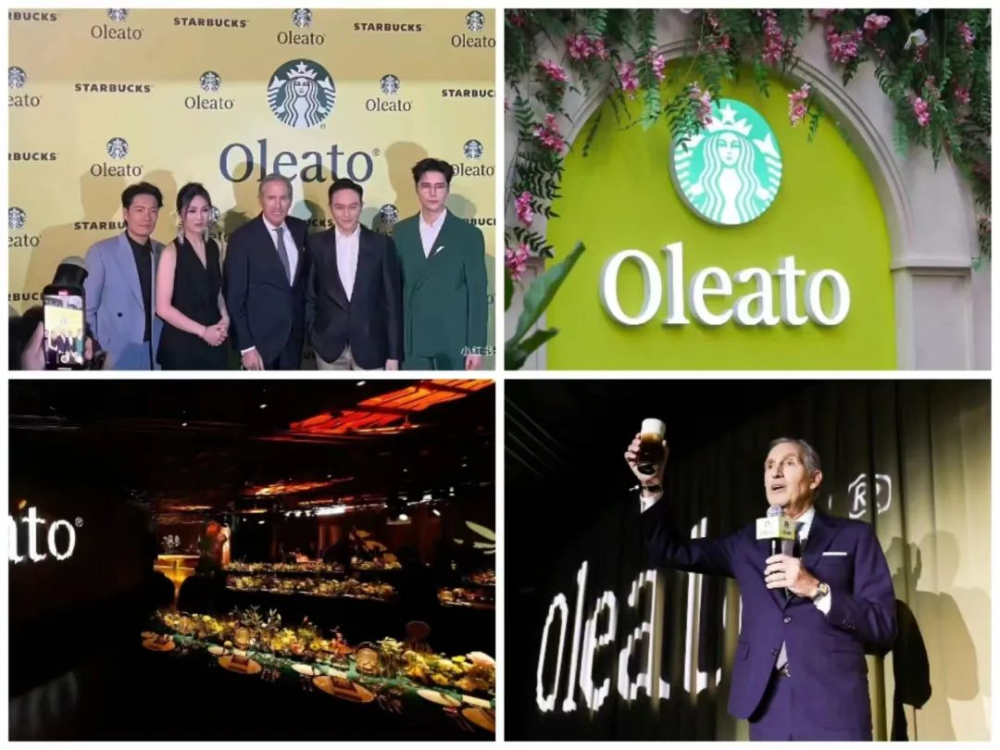
Recently, Starbucks held a highly anticipated premium exclusive dinner at its Shanghai Roastery, with brand founder Howard Schultz personally attending, joined by numerous celebrity guests, to promote the newly launched Oleato olive oil coffee series. This grand promotional event aimed to introduce this innovative coffee product, originating from Italy, to the Chinese market.
Since its first debut in Italy last year, Schultz has repeatedly explained to the media the creative concept behind this olive oil coffee, emphasizing that it represents his vision of Coffee 3.0 and could even become a milestone product in Starbucks’ history. Judging by the scale of the first-ever premium dinner hosted by the Shanghai Roastery, Starbucks has high hopes for the performance of this new product in the Chinese market.
However, although the dinner successfully garnered online attention, the precedent of lukewarm reactions to the olive oil coffee in overseas markets has led many consumers to adopt a wait-and-see attitude. On social media, the number of consumers willing to try the new product has noticeably decreased, with more people choosing to wait for further product feedback before making a decision. This cautious response stands in sharp contrast to the enthusiastic reactions typically seen during previous product launches.
Luckin Coffee has also faced challenges with its new product offerings. The Huangshan Maofeng Latte launched this week, which combines China’s famous tea with coffee, was originally intended to create a unique tea-coffee experience. However, after its actual release, it received a large amount of negative feedback. Some consumers bluntly stated, "This new product might be designed to drive customers away," describing its taste as having "a strong bitter tea flavor" and calling it "the worst coffee I’ve ever had."
Chain coffee brands continuously innovate to attract consumers, but the overly frequent release of new products has also led to aesthetic fatigue among some customers. Especially for products that break traditional perceptions, such as olive oil coffee, many consumers are actually deterred. Some believe that current R&D in coffee brands is experiencing an inward competition phenomenon, where new products sometimes seem to exist merely to prevent consumer boredom, while neglecting basic taste and quality.
Professional baristas suggest that new product development should focus more on balancing fundamental parameters. For example, the key to olive oil coffee lies in controlling the oil ratio—typically, it is recommended to use no more than 3 milliliters of extra virgin olive oil per 18 grams of coffee grounds, with an extraction temperature maintained between 92–94°C to achieve the best flavor balance. As for tea-coffee products, special attention should be paid to the ratio of tea leaves to coffee; for high-aroma green teas like Huangshan Maofeng, it is recommended to keep the caffeine content between 1.2–1.5%.
Some consumers suggest that instead of launching controversial new products, it would be better to bring back previously popular items that have been taken off the menu. This “nostalgia” strategy can often more effectively maintain brand loyalty among core fans. At the same time, it also gives brands more ample R&D time to truly understand consumer needs and develop products that align with market tastes.
Competition in the coffee market is becoming increasingly fierce, and brands need to find a balance between innovation and quality. Future new product development might focus more on actual consumer feedback rather than solely pursuing topical appeal. Only by truly understanding the essence of coffee and mastering core extraction techniques can brands remain invincible in the market.
The above content is compiled by CoffeeHunters, a coffee news website.


