







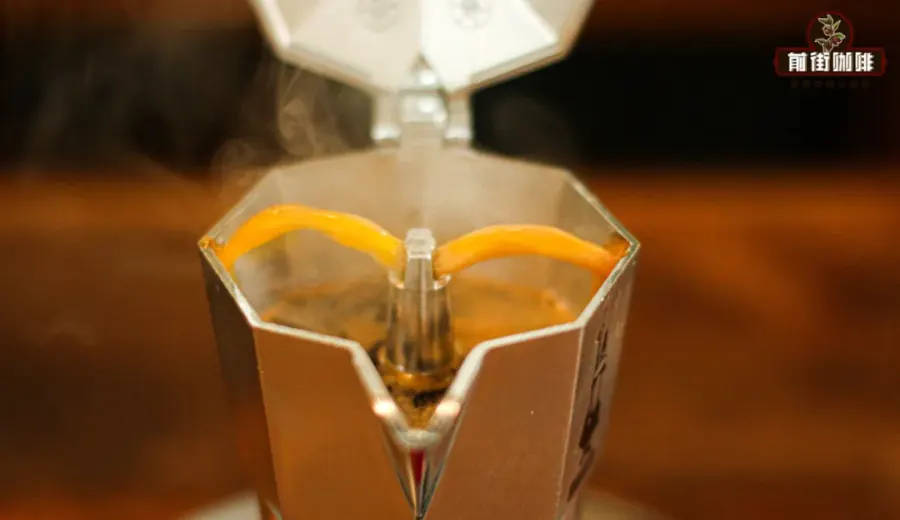
Introduction:Have you ever encountered the "double ponytail" phenomenon while using a moka pot, where the coffee extraction suddenly splits into two powerful streams? This not only indicates a failed extraction but can also affect the flavor of the coffee and the safety of the device. This article delves into the pressurized extraction principle of the moka pot, highlights five common issues such as overfilling with water, using coffee grounds that are too coarse, uneven distribution, and excessive heat, and provides specific adjustment suggestions and practical operational tips to help you refine your moka pot skills and brew espresso with balanced flavor and rich crema.
Many coffee enthusiasts who use moka pots have witnessed a peculiar phenomenon: the coffee extraction, which normally flows out thinly from the spout, suddenly transforms into two violently ejected streams shooting out from the sides of the pot, resembling a young girl’s double ponytail—hence the nickname "double ponytail" phenomenon. This usually signifies a significant operational mistake, not only leading to uneven extraction with a bitter and astringent flavor profile, but also potentially posing safety risks.
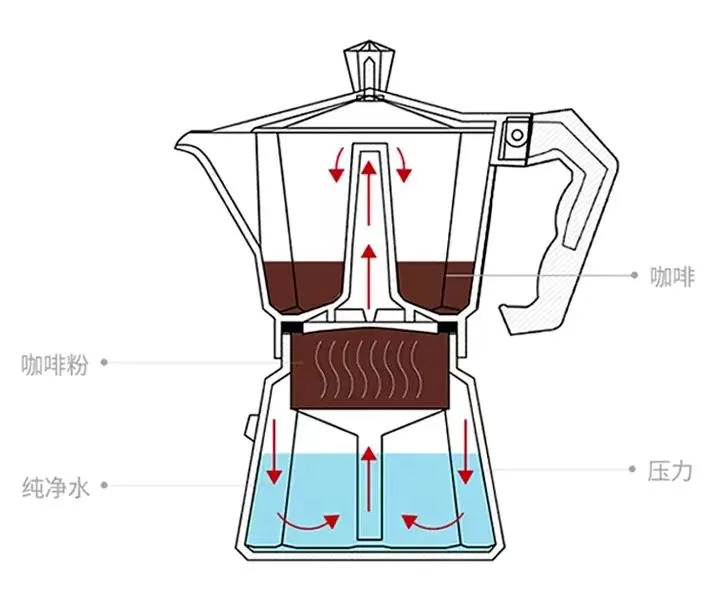
To fully understand this issue, we first need to grasp the basic working principle of the moka pot. The moka pot is a pressure-based brewing device. Although the pressure it generates is far lower than that of a professional espresso machine, it still relies on the steam pressure created by heating to push water through the coffee grounds. As the water in the lower chamber heats up and turns into steam, it gradually occupies the space inside the pot and creates pressure, which then forces the hot water through the coffee layer, ultimately resulting in coffee flowing out from the upper chamber.
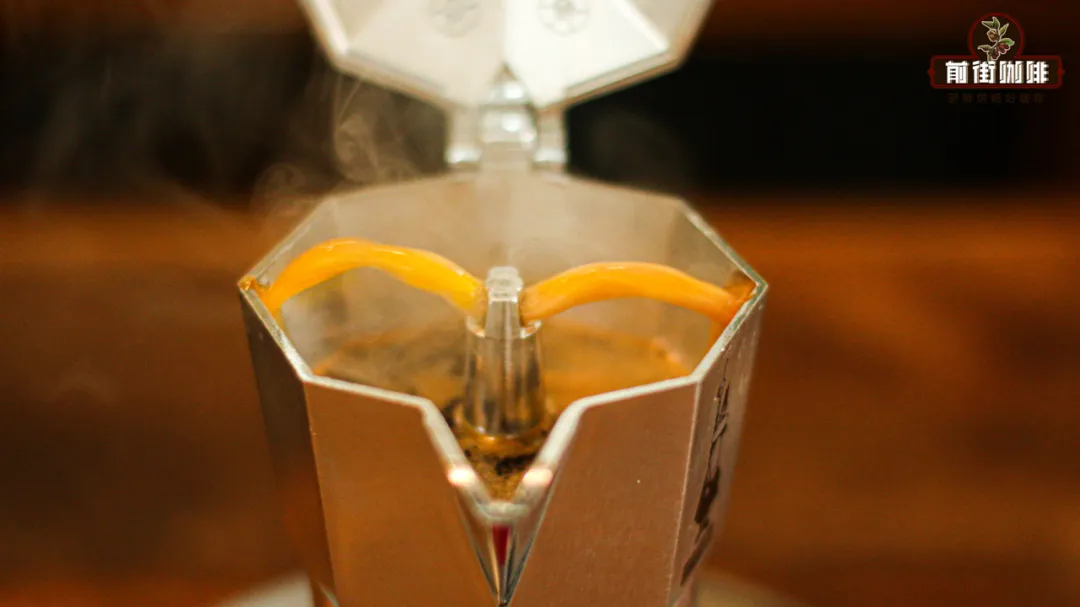
However, when the internal pressure becomes too high, exceeding the range required for normal extraction, it can easily lead to an eruption, known as the "double ponytail" phenomenon. To avoid this, the key lies in controlling the pressure within a reasonable range and ensuring the use of medium to dark roasted coffee beans. Generally, medium to dark roasted beans release an appropriate amount of carbon dioxide, which helps achieve good flavor and moderate crema. It is recommended to choose medium to dark roast products, such as classic Italian blends, for more stable extraction results.
There are many causes of the "double ponytail" phenomenon, and the most prominent one isOverfilling with Water. The lower chamber of a moka pot usually has water level markings and a pressure relief valve. This line indicates the maximum recommended water level. Once you pour water beyond this mark, the space available for steam in the lower chamber is reduced. When heated, the steam cannot buffer effectively and is forced to push upward in a concentrated manner, instantly creating excessive pressure that causes the coffee extraction to forcefully spray out from both sides of the spout. In severe cases, the excessive pressure may even cause the pot to crack, posing certain dangers.
The second common issue isCoffee Grounds Too Coarse. The ideal grind size for a moka pot is between that of pour over and espresso, leaning more towards a fine powder. If the grind is too coarse, similar to the size of fine sugar used in pour over, it reduces the resistance the water faces when passing through the coffee layer, causing the coffee to flow out too quickly. This leads to a short extraction time, insufficient release of flavor compounds, and not only the double ponytail effect but also a thin, flat-tasting cup lacking complexity.
Furthermore,Uneven Distribution of Coffee Groundsis another frequent mistake. Whether using a pour over or a moka pot, uneven distribution of coffee grounds in the basket will cause the water to flow through the path of least resistance, creating what is known as "channeling." This not only affects the uniformity of extraction but can also result in some coffee being over-extracted while other parts are under-extracted, ultimately leading to unbalanced flavors and the risk of double ponytail. The correct approach is to gently tap the edges of the basket after filling it with grounds, allowing the coffee to settle evenly, then use a distribution tool to lightly press the grounds for a more compact and even layer.
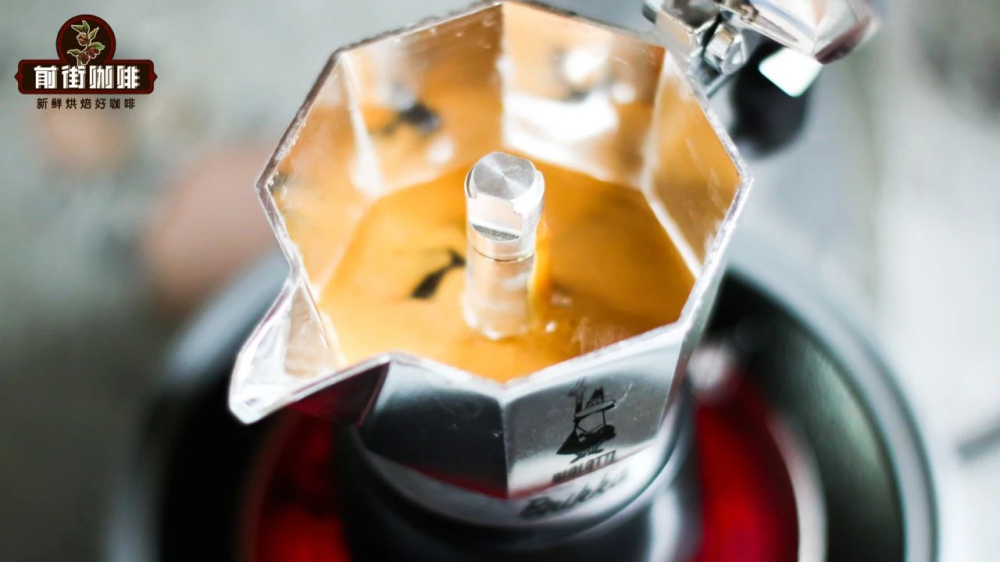
The last critical factor isExcessive Heat. When you notice the coffee starting to flow out of the spout, it means the water in the lower chamber has reached boiling point. If you continue to apply high heat at this stage, steam will rapidly increase, causing a sudden spike in internal pressure, which then forces the extraction to erupt in the form of streams shooting out from both sides of the pot. It is recommended that as soon as the coffee begins to flow, you immediately reduce the heat to low or medium, or even temporarily move the moka pot away from the heat source, to stabilize the pressure and ensure a smooth extraction process.
In summary, to prevent the "double ponytail" phenomenon in a moka pot, the key lies in accurately controlling the water amount, selecting the appropriate grind size, distributing the grounds evenly, and adjusting the heat. Mastering these basic techniques will significantly enhance your moka pot experience, allowing you to brew a cup of espresso with balanced flavor, rich crema, and even extraction—enjoying authentic Italian-style coffee flavors right at home.
The above content is compiled by CoffeeHunters, a coffee news website.


