







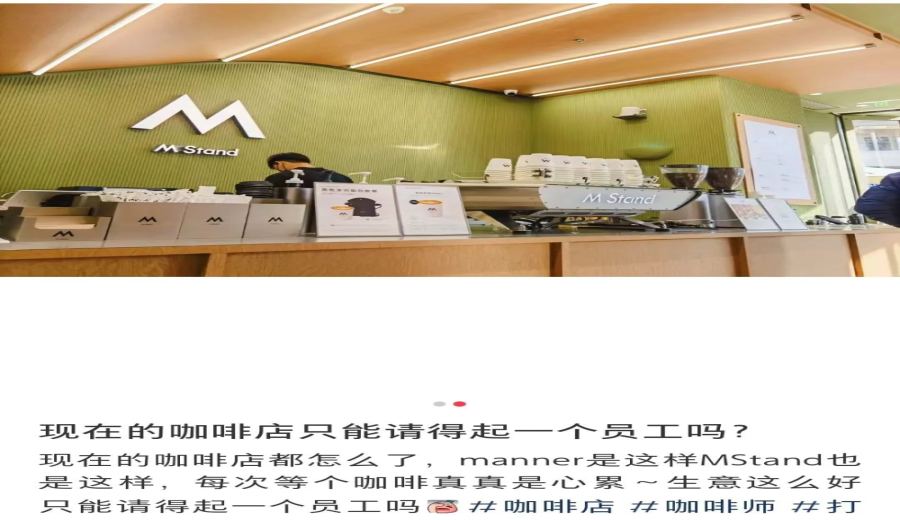
Introduction:Have you ever walked into a chain coffee shop during a busy period, only to find just one staff member behind the counter overwhelmed with work, forcing you to wait in a long queue for your coffee? This is not an isolated case but rather a reflection of the industry-wide "single-staff operation" model widely adopted to cut costs. This article will analyze the reasons behind this strategy, its impact on customer service and employees, and how to maintain quality while reducing expenses — giving you an in-depth look at the current labor crisis in the coffee industry.
Walking into a usually bustling chain coffee outlet, whether it's the morning rush before work or the afternoon pick-me-up peak, more and more consumers are finding only one staff member behind the counter managing the entire process — from taking orders and brewing to serving. This scene is no longer occasional but is gradually becoming the norm, especially around 8 a.m. or 3 p.m., when many outlets also face staffing shortages.
What used to be a coffee that took just a few minutes to enjoy now often takes over ten minutes or even longer, especially when order volumes spike, significantly slowing down service speed and greatly compromising the customer experience. Some people simply switch to other brands, only to find the situation is much the same — it seems that "single-staff operation" has become a common phenomenon across the industry.
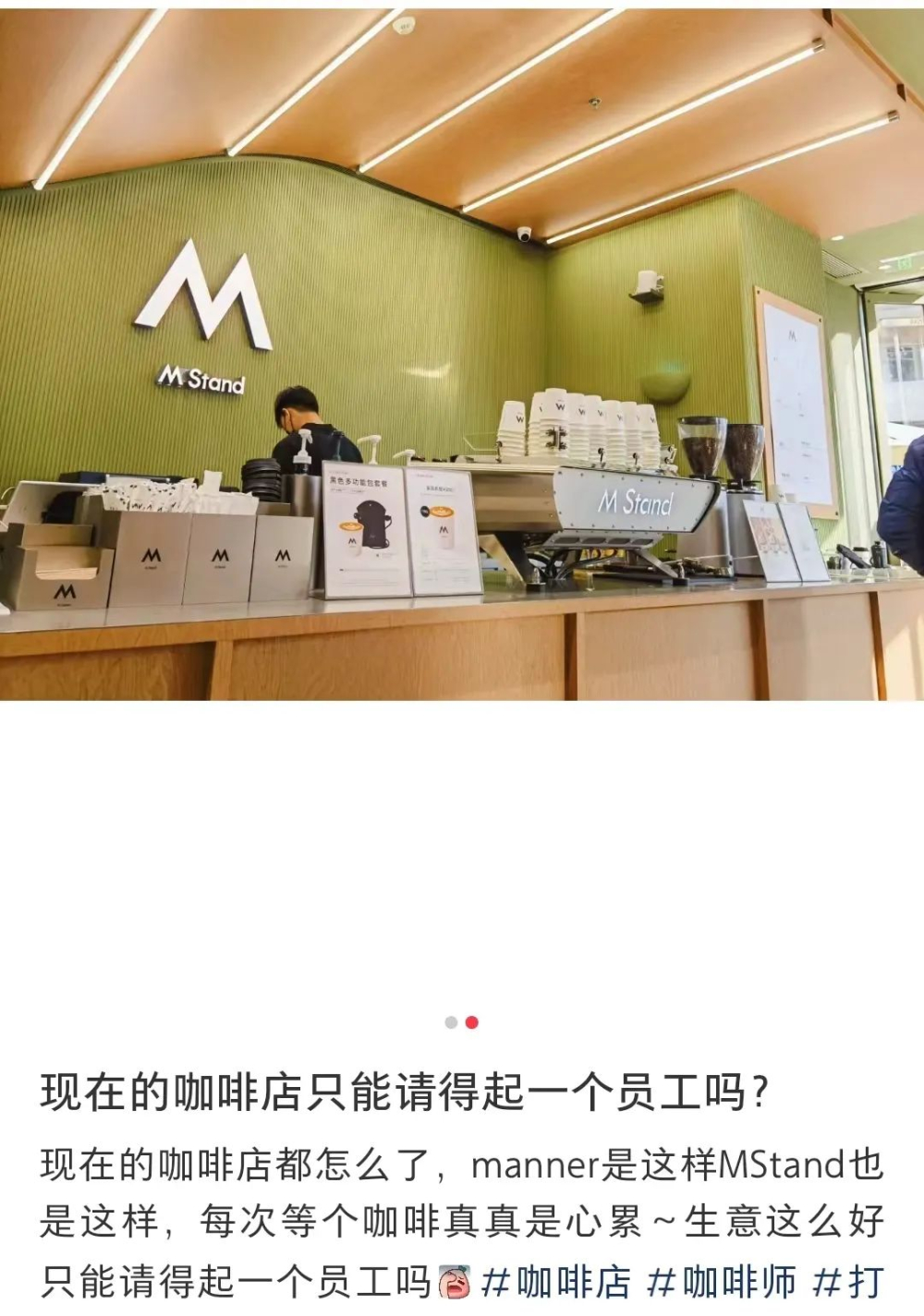
Looking into the root cause, it’s closely tied to recent market competition. Since last year, both large and small chain brands have been rolling out low-priced coffee to attract customers, sparking what’s been dubbed the "low-price coffee war." To stay profitable in this fierce battle, many brands have turned to cutting labor costs by reducing the number of in-store staff to lower fixed expenses. Well-known chains such as Manner and Mstand have all implemented similar measures.
Then in March this year, Luckin Coffee, which holds the highest market share in China, exposed the extremes of its labor scheduling through what employees called the "March 1 Incident." According to discussions on social platforms, many outlets, in response to slow sales seasons and the overall weak economic environment, further reduced scheduled staff, sometimes assigning just one employee even during originally busy periods — triggering strong dissatisfaction among frontline workers.
From a management perspective, assigning only one staff member can indeed reduce labor costs in the short term, especially during non-peak hours. But this approach often leads to a sharp increase in employee workload, which in turn affects brewing quality and overall service efficiency.When a single staff member has to handle taking orders, grinding beans, brewing, and serving, mistakes are more likely, and it becomes difficult to pay attention to the details of each drink and provide proper customer service.
In fact, many customers have begun to raise questions about this phenomenon. Some consumers have reported that at certain well-known chain stores, due to understaffing, they received coffee with inconsistent strength, poor temperature, or even experienced missed orders or long delays. Brands that were once known for their service and quality are now seeing a decline in customer experience due to cost-cutting, which could harm brand trust and customer loyalty in the long run.
Even more concerning is that as service and product quality continue to decline, consumers may turn to alternative options, further impacting store revenue and creating a negative cycle of "cost-cutting → declining experience → customer loss → reduced revenue." While this business strategy may seem like a stopgap measure to control expenses in the short term, it could trap brands in operational difficulties in the long run.
Of course, in an environment where market competition is fierce and products and prices are pushed to the limit, adjusting labor costs seems to be the last major area brands can tweak. But how to reduce expenses while still maintaining customer experience and employee welfare remains a critical issue the industry needs to consider.
It’s worth mentioning that brands that focus on specialty coffee and customer service are trying to strike a balance between cost control and quality — for example, by streamlining SKUs, optimizing workflows, or flexibly adjusting staffing levels to maintain a certain level of service even during busy times. This may offer another way of thinking for the industry as a whole.
Image source: Internet
The above content is compiled by CoffeeHunters, a coffee news website.


