







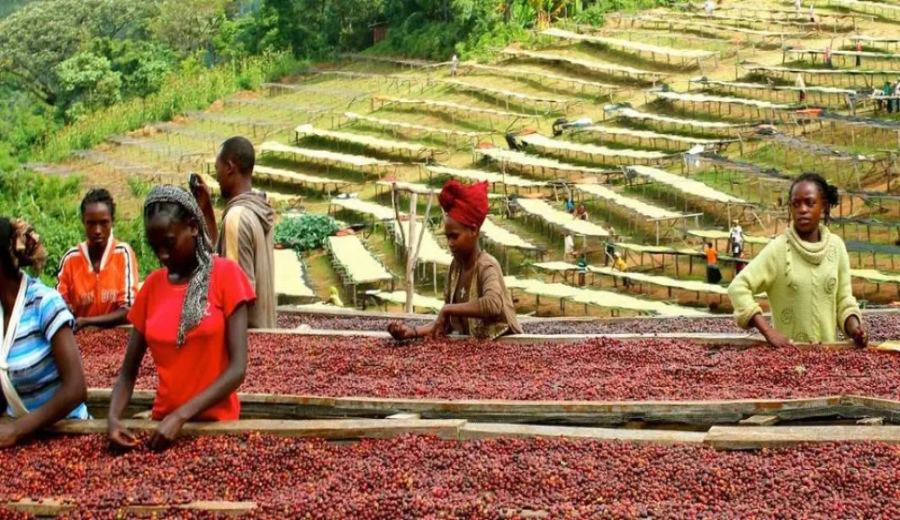
Introduction:Due to worsening security conditions that have disrupted land transportation, Ethiopia’s coffee industry—which accounts for 30% to 35% of export earnings—is facing severe challenges. This article delves into the background behind the Ethiopian government’s consideration of activating railway transport and attracting private capital, explores the impact of current transportation bottlenecks on the global coffee supply chain, and offers practical updates from the producing regions along with tasting recommendations.
Ethiopia’s domestic security situation continues to deteriorate, with frequent attacks by armed groups targeting truck drivers, paralyzing land transportation of key export commodities such as coffee. Notably, coffee exports account for 30% to 35% of the country’s total export revenue. This logistics crisis not only increases inflationary pressures domestically but also risks exacerbating economic recession. To break the impasse, the government is actively evaluating the feasibility of shifting to rail transport and planning to open up freight services to the private sector, aiming to stabilize market prices by reducing transportation costs.
The current main challenge stems from security risks along transportation routes. According to local association reports, critical sections such as East Shewa in the Oromia region have become hotspots for armed attacks, with multiple incidents of kidnapping, robbery, and even murder of cargo drivers. These events have caused severe casualties and economic losses, directly impacting an important trade corridor connected to the Port of Djibouti—which handles over 90% of Ethiopia’s imports and exports. As coffee beans are a strategic export item, any delay in their transport will directly affect the global supply chain.
Faced with this deadlock, Ethiopia’s Ministry of Transport and Logistics is formulating a railway transformation plan. Official data shows that the existing Ethiopia-Djibouti Standard Gauge Railway, 75% government-owned, has a designed annual capacity of 10 million tons, but actual throughput is far below potential due to an average train speed of just 30 km/h and operational obstacles such as pedestrians and livestock crossing tracks and security vulnerabilities. To improve efficiency, the authorities have recently conducted intensive feasibility studies, focusing on evaluating the potential for transport efficiency gains through private capital participation.
Notably, executives from the state-owned railway company pointed out that private sector involvement could significantly alleviate logistics bottlenecks for bulk commodities. According to official statistics, transportation and customs clearance costs currently account for about 45% of the final selling price of bulk goods. Reducing this proportion through dedicated railway lines and professional operations would not only stabilize domestic prices but also enhance the competitiveness of Ethiopian coffee in the international market. Most coffee traders have shown strong interest in this reform direction, anticipating that the new transport model will shorten delivery times from origin to port.
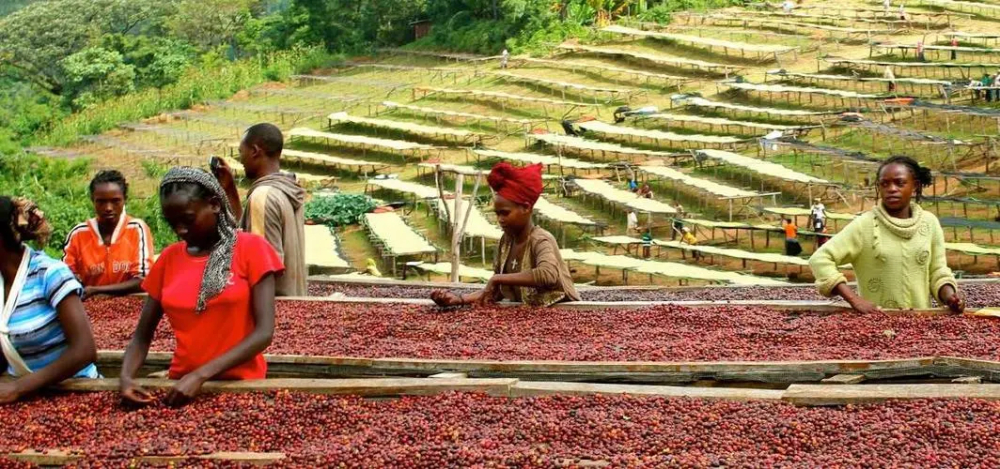
From a technical perspective, transforming the current railway system involves overcoming multiple challenges: existing rail routes are mostly laid through densely populated areas, posing risks of mixed human and vehicle traffic and lacking support from modern dispatch systems for high-speed operation. Industry experts suggest that if private capital enters, priority should be given to upgrading signaling equipment and building dedicated freight stations, along with deploying armed escort teams to ensure transport safety in high-risk sections. In addition, the government must clarify responsibility divisions and establish clear cooperation mechanisms between public and private sectors regarding infrastructure maintenance and operational standards.
For global coffee enthusiasts, developments in Ethiopia’s producing regions directly impact the consistency of flavors in their cups. As a genetic treasure trove of Arabica coffee, Ethiopia’s Yirgacheffe region produces washed beans known for their bright citrus acidity, jasmine floral notes, and honey-like finish—making them a classic choice for experiencing the quintessential flavors of African highland coffee. When purchasing, consumers are advised to look for products labeled “G1 grade” and “freshly roasted 2024 crop,” and use a pour over method with water at 90–93°C and a 1:15 coffee-to-water ratio to fully bring out its rich layers of fruity acidity and floral aromas.
The above content is compiled by CoffeeHunters, a coffee news website.


