








Introduction:The popular little gem "Gibraltar" from Blue Bottle Coffee actually originated from an accidental choice of the wrong cup—but unexpectedly gave rise to a classic milk coffee that sits somewhere between a latte and a macchiato. This article will take you through the backstory of this drink, analyze its similarities and differences with the Spanish cortado, and provide a practical home-brewing recipe with precise parameters so you can easily pour over your own rich and captivating small cup of coffee.
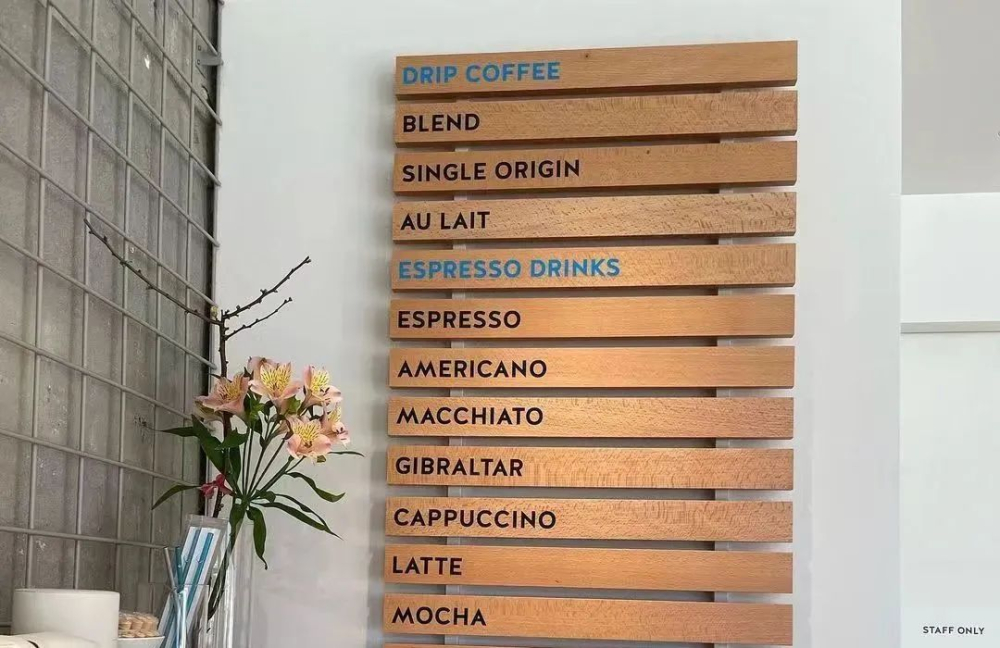
On the menu at Blue Bottle Coffee, there is a uniquely named and highly memorable drink—Gibraltar. At first glance, you might think it’s related to the Spanish port city, or just a random name. But in reality, this coffee isn’t just uniquely named; its origin story is also quite compelling. It wasn’t carefully developed nor is it one of the traditional espresso recipes—it actually came about by “using the wrong cup.”
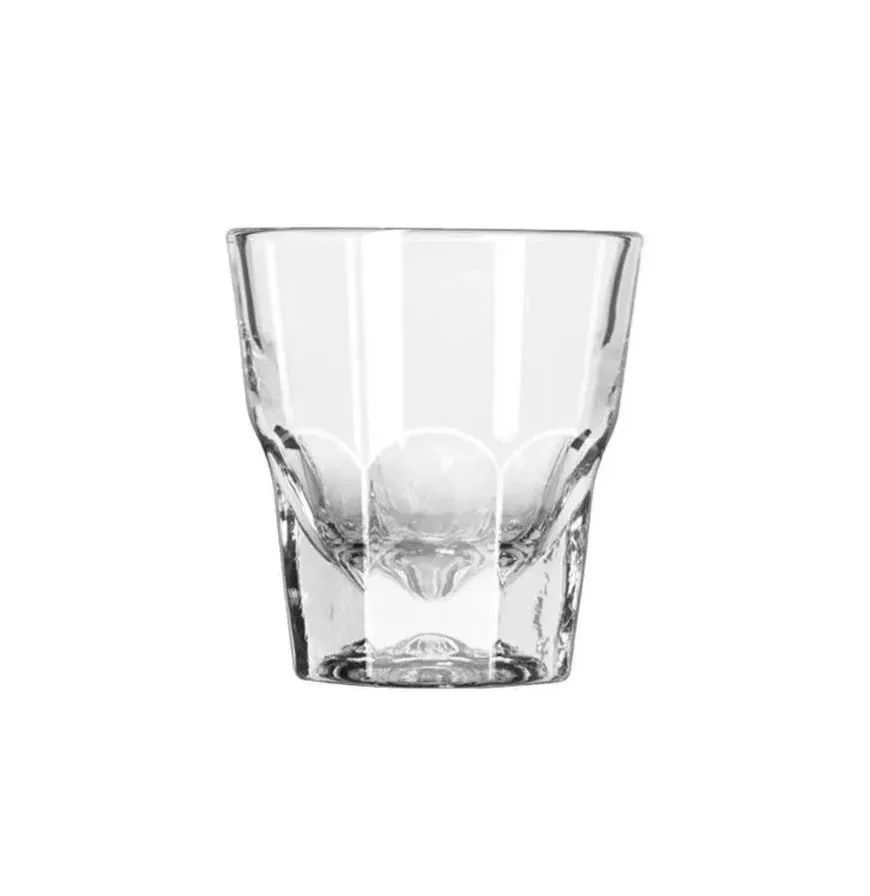
Early on in Blue Bottle Coffee’s stores, employees purchased a batch of “Gibraltar cups” from the American glassware brand Libbey for cupping purposes. These small glass cups, with a capacity of 4.5 ounces (about 130 milliliters), were originally intended for coffee testing. However, their small size couldn’t accommodate a standard serving of espresso-based milk coffee. Yet, it was precisely because of this limited capacity that baristas discovered it perfectly showcased the crema on top of espresso. That sparked the idea to add a small amount of warm, velvety microfoam to a double shot of espresso, creating a milk coffee that sits between a latte and a macchiato—what we now know as the “Gibraltar.”

Many customers, upon first seeing the name “Gibraltar,” feel both unfamiliar and curious. In fact, “Gibraltar” is not only the name of the cup but originally refers to the important port city at the southern tip of the Iberian Peninsula in Europe, as well as the Strait of Gibraltar that connects the Mediterranean Sea and the Atlantic Ocean. But for coffee enthusiasts, the most interesting part is its connection to the American Libbey Glass Company. As early as 1977, Libbey launched this classic Gibraltar series of rocks glasses, which became widely used in specialty coffee shops due to their octagonal, beveled base and transparent, heat-resistant qualities.
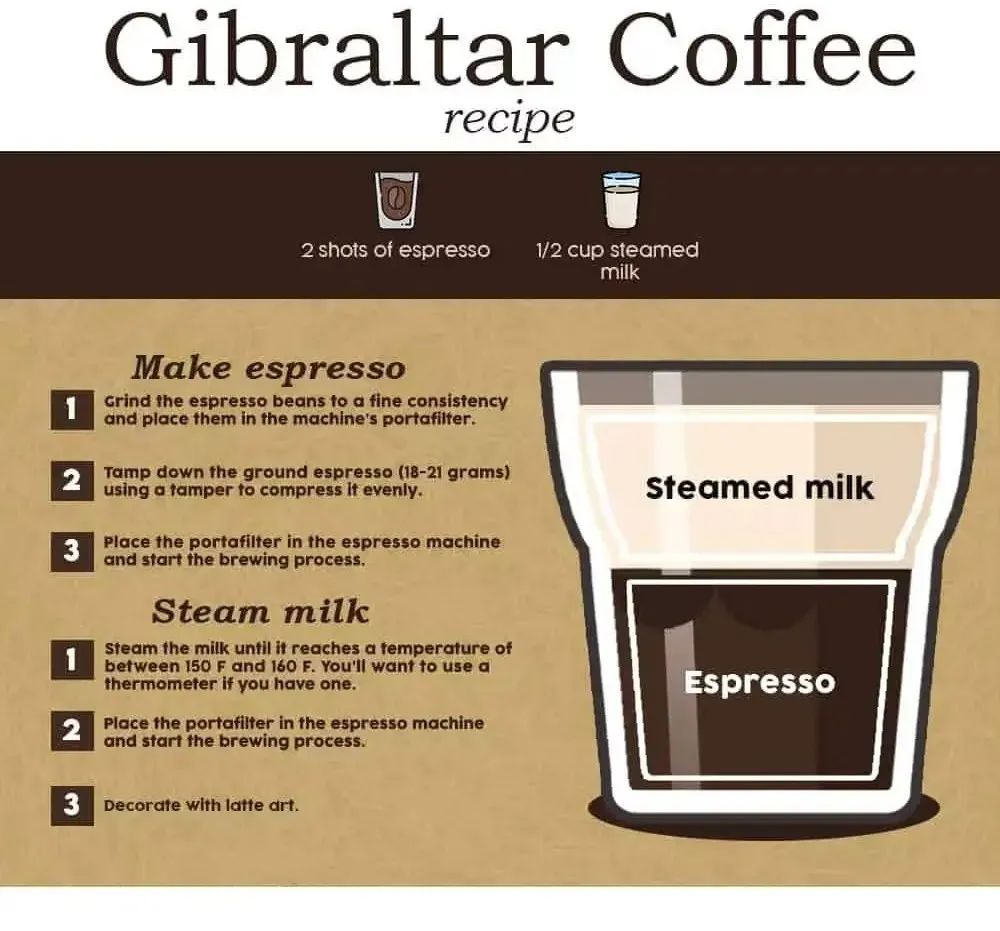
Although we can discuss the origins of Gibraltar through history and cup design, what matters most to most consumers is the actual flavor and preparation method of this coffee. According to official information from Blue Bottle Coffee, a standard Gibraltar typically uses a double shot of espresso, paired with warm, velvety microfoam milk in a ratio of approximately 1:2, and is finally poured into a Gibraltar cup with a capacity of about 130 milliliters—resulting in a rich yet not overly heavy balance of milk aroma.
So how did this accidentally created coffee become so popular? The story goes back to 2005, when Blue Bottle Coffee founder James Freeman was busy preparing for the brand’s first physical store. One day, an employee mistakenly ordered a batch of Gibraltar cups, which, with a capacity of only 4.5 ounces, were too small for a standard espresso drink and were temporarily set aside. It wasn’t until new espresso machines were installed and the team needed to test the pairing of espresso and milk that these cups, thanks to their transparent visual effect and suitable size, were brought back into use.
To create a milk coffee that retained the flavor of espresso without being overly intense, Blue Bottle’s baristas experimented by adding a small amount of warm milk with fine foam to a double shot of espresso, with the ratio sitting somewhere between a latte and a macchiato. Coincidentally, a customer asked out of curiosity what this drink was, and the barista spontaneously decided to name it “Gibraltar.” Unexpectedly, this originally off-menu item became one of Blue Bottle’s popular signature drinks and, as the brand expanded globally, grew into a classic small cup milk coffee beloved by many coffee lovers.
If you’d like to try recreating this classic at home, it’s recommended to use a cylindrical glass cup with an octagonal, beveled base and a capacity of about 130 milliliters to mimic the original visual and taste experience. For brewing, you can use around 19.8 grams of a blended coffee bean (such as the Warm Sun Blend), extracting 36 milliliters of double espresso. The espresso should exhibit a noticeable body richness and layered flavors. Then, froth a pitcher of warm milk at about 50–55°C and slowly pour it into the espresso. Finally, adjust the ratio to roughly 1:2 coffee to milk to complete a home version of the Gibraltar similar to the original Blue Bottle recipe.
Speaking of Gibraltar, we must also mention another Spanish classic coffee with a similar flavor profile but often confused with it—the cortado. Both use a double shot of espresso as the base, paired with a small amount of warm milk and microfoam, and have similar serving sizes. However, the biggest difference often lies in the proportion and presentation of the milk foam. Many baristas believe that the Gibraltar is actually an “improved version” of the cortado, with a slightly increased milk ratio and finer foam, resulting in a smoother overall mouthfeel and a taste that’s more accessible to the general public.
In short, if you enjoy a rich yet gentle coffee experience and don’t want to drink too much milk, then the Gibraltar is an excellent choice. It’s neither latte-like with milk as the dominant note, nor does it have the bold punch of espresso like a macchiato. Instead, it strikes a perfect balance between espresso and milk—making it a little daily joy for many coffee aficionados.
In summary, the Gibraltar coffee started with a simple mistake in cup selection, but with its unique visual appeal and harmonious flavor combination, it has become a notable gem in the coffee world. Whether you’re enjoying it at a Blue Bottle store or trying to recreate it at home, as long as you get the espresso extraction and milk ratio right, you can easily savor the unique charm of this classic coffee.
The above content is compiled by CoffeeHunters, a coffee news website.


