








Introduction:This variable-speed cake dripper launched by Hero features a knob design that allows you to switch between three brewing modes: immersion, slow flow, and steady flow. It’s beginner-friendly and compatible with 185-size cake filters. We tested it using washed Hua Hudie and Mozart Geisha beans, paired with a three-stage pouring method and an iced pour-over setup, compiling detailed parameters and flavor profiles to help you find your optimal extraction method.
Do you want more flexibility in controlling water flow and extraction rhythm when hand brewing? The variable-speed cake dripper from Hero has garnered attention for its knob-based three-stage extraction design. With immersion, slow, and steady flow modes, it’s especially suitable for beginners to explore different flavor expressions. Its flat-bottom design is highly compatible with cake filters, and it’s relatively easy to operate. In this test, we used washed Hua Hudie, Costa Rican Mozart, and Panamanian Juliet Geisha beans, and even tried it with iced pour-over, compiling three practical brewing setups and parameters to give you an in-depth look at the potential of this dripper.

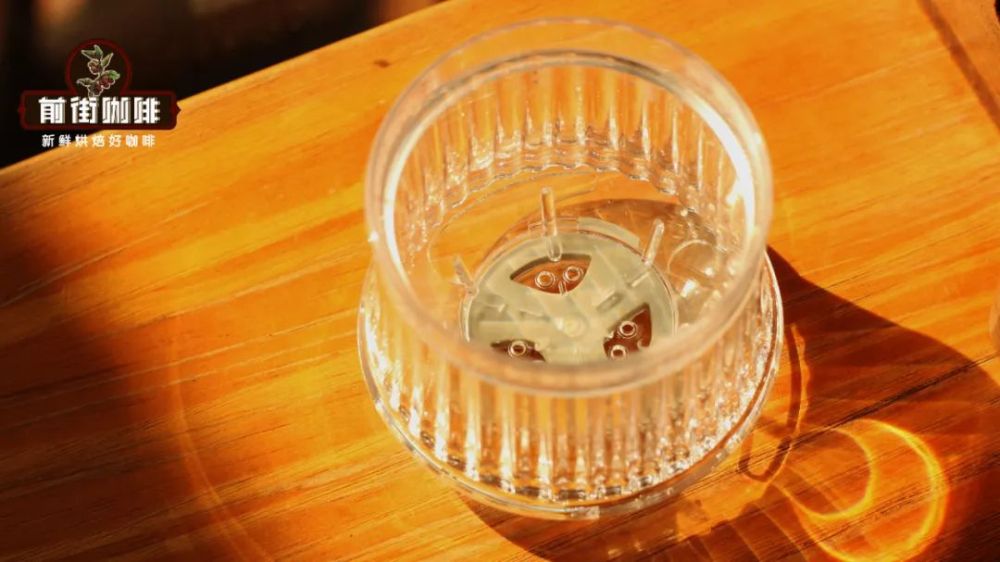
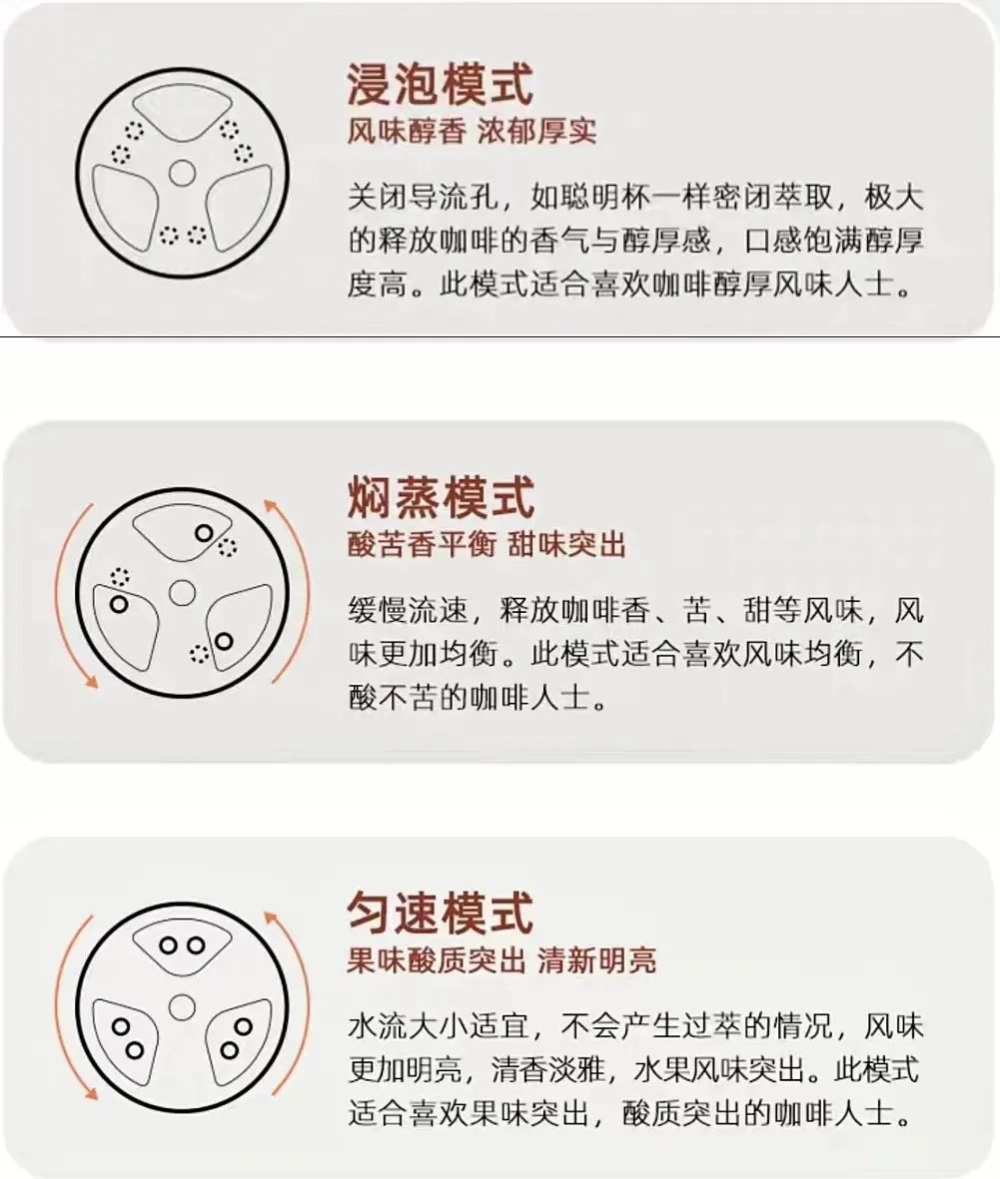
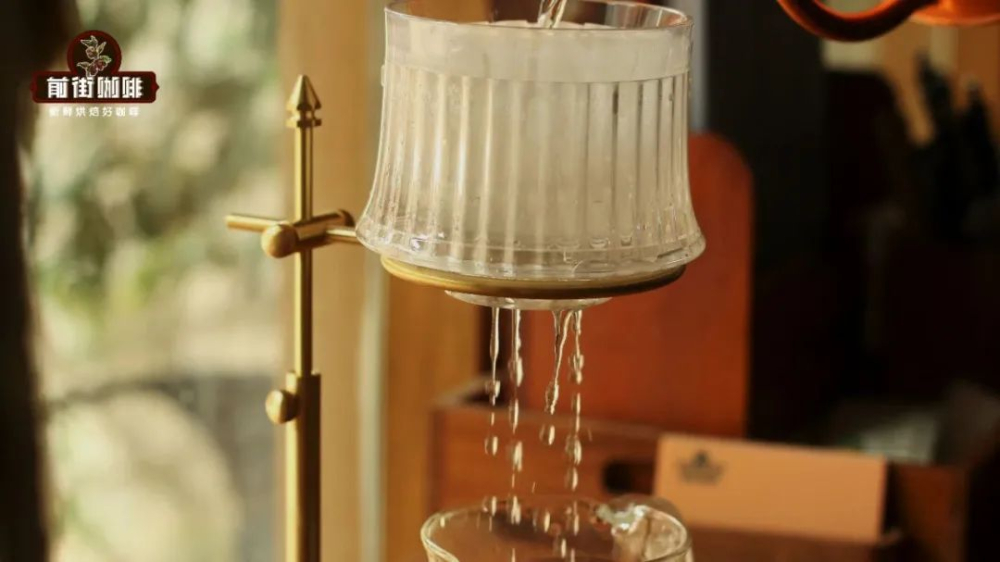
The Hero variable-speed cake dripper adopts an innovative double-layer structure and a knob-switching design. Internally, it features six small-diameter drainage holes and three flow-guiding ribs, while the outer layer has a slightly flared Roman column shape supported by three stabilizing ribs for overall structural stability. The dripper itself is made of PCTG composite plastic, which doesn’t conduct heat easily and is suitable for hot brewing. Its standard design is ideal for brewing 1–2 servings of coffee, and it’s recommended to use 185-size cake filters. The top circular knob can be rotated left or right to switch between three brewing modes: shutoff (immersion), one-notch slow (3 holes), and two-notch steady (6 holes), allowing users to flexibly adjust based on bean characteristics.
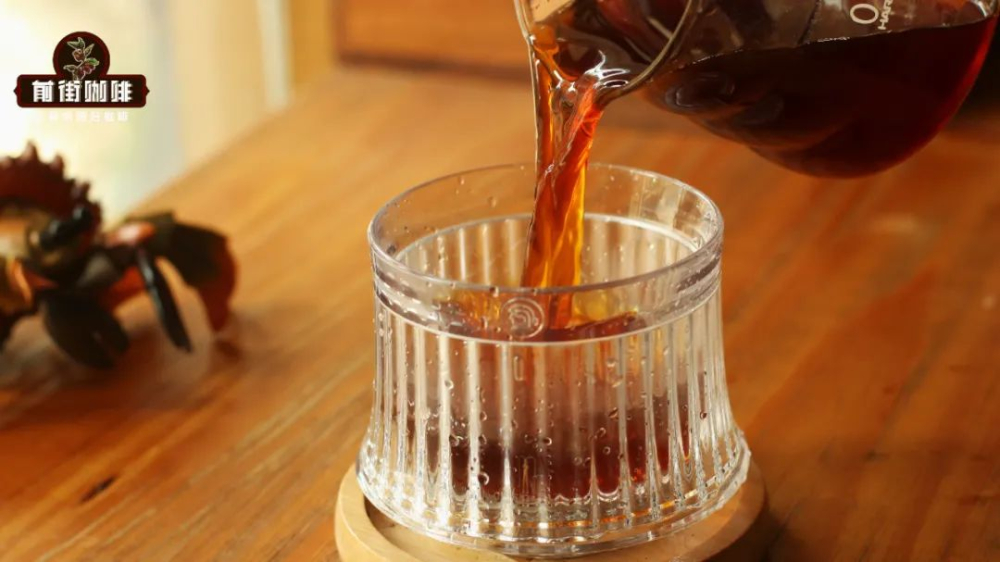
Without coffee grounds, we tested the flow rate of the two main brewing modes. With the filter paper installed and 100 grams of hot water poured in, the “3-hole mode” took about 21 seconds to drain, while the “6-hole mode” only took about 12 seconds—faster than the typical 16 seconds of a V60. This difference in flow rate helps users choose the appropriate extraction rhythm for different roast levels and processing methods, further adjusting the flavor profile.
For our actual hand-brewing test, we started with Panamanian washed Hua Hudie, using 15 grams of coffee, a 1:15 coffee-to-water ratio, 92°C water temperature, and EK43s grind setting 10, employing the classic three-stage pouring method. First, we set the knob to immersion mode and poured 30 ml with a strong flow to bloom for 30 seconds. Then we switched to one-notch slow (3 holes) to let the bloom water drain, followed by pouring the second stage of 100 ml while gently lifting the coffee bed. When the water level dropped to about one-third, we switched to the six-hole steady mode and finished with the final 95 ml, for a total brew time of about 2 minutes and 26 seconds. Under these parameters, the Hua Hudie showed distinct nutty acidity and caramel aromas, but the aftertaste was slightly bitter, likely due to the long bloom time and water pooling at the bottom.
To address over-extraction, we adjusted our strategy and used the more fermentative Costa Rican Mozart and Juliet Geisha instead, keeping the same 15 grams of coffee and 1:15 ratio but shortening the bloom time to 25 seconds and delaying the switch to the six-hole mode. Ultimately, these two beans exhibited richer fruitiness and sweetness. The Mozart presented raisin and blueberry notes, while the Juliet showcased layers of grape juice and dried fruit, with good body and a smooth aftertaste. Compared to the V60, the flavors were more intense, though the bright acidity was slightly toned down.
To further explore its versatility, we tried using the variable-speed dripper for iced pour-over, using Costa Rican strawberry sugar beans as an example. With a 1:10 ratio and 15 grams of coffee, we maintained a 92°C water temperature and placed 100 grams of ice below the dripper, using a three-stage pouring method of 30 g → 70 g → 50 g. The first stage involved a strong flow of 30 g for a quick bloom, then switching to one-notch slow (3 holes) after 28 seconds. After pouring the 70 g, we waited for the coffee bed to surface before pouring the final 50 g in small circles at the center. The total brew time was about 1 minute and 50 seconds. Compared to the V60 under the same conditions, the iced coffee brewed with the variable-speed dripper had better flavor intensity and persistence, with layers of fruit candy, cream, and peach, and was less prone to aroma dilution from melting ice.
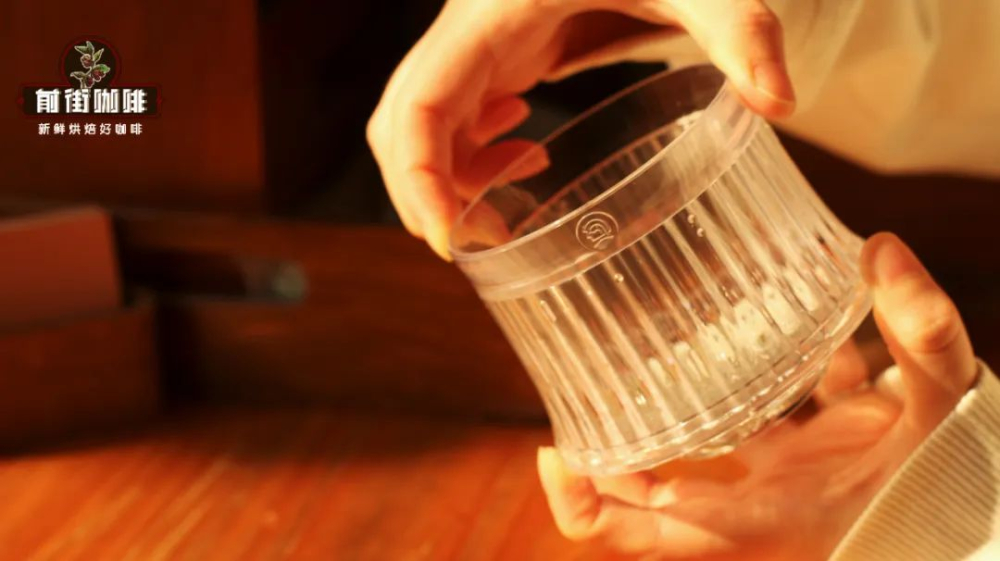
During our use of the Hero variable-speed dripper, we also observed several practical details and suggestions: First, the knob switching isn’t entirely smooth, so we recommend using both hands to adjust it quickly to avoid disrupting your pouring rhythm. Second, the outer bowl-like design makes it less stable when placed directly on a server, as it can easily shift and cause uneven flow if bumped—using a hand to stabilize it or a sturdy base is advised. Lastly, due to its double-layer structure, the bottom cavity can accumulate residual coffee liquid or grounds, so it’s recommended to rinse it with water and dry it thoroughly after each use to maintain hygiene and extend its lifespan.
In summary, the Hero variable-speed cake dripper offers three brewing modes—immersion, slow flow, and steady flow—through a simple knob design. It’s not only suitable for beginners to practice water control but also allows advanced users to adjust extraction strategies based on different beans, unlocking more flavor possibilities. Whether for hot or iced pour-over, as long as you master the coffee-to-water ratio, grind size, and pouring technique, you can find your own optimal extraction results with this dripper.
The above content is compiled by CoffeeHunters, a coffee news website.


