








Introduction:As the order volume at Luckin Coffee stores continues to rise, fully automatic coffee machines operating at high intensity face an increasing number of malfunctions. From bean hopper blockages to steam wand breakages, and even the unusual occurrence of "eating coffee beans," these issues not only affect operational efficiency but can also degrade the customer experience. This article delves into the root causes behind these common faults and provides practical equipment maintenance advice to help operators maintain their coffee machines in optimal condition.
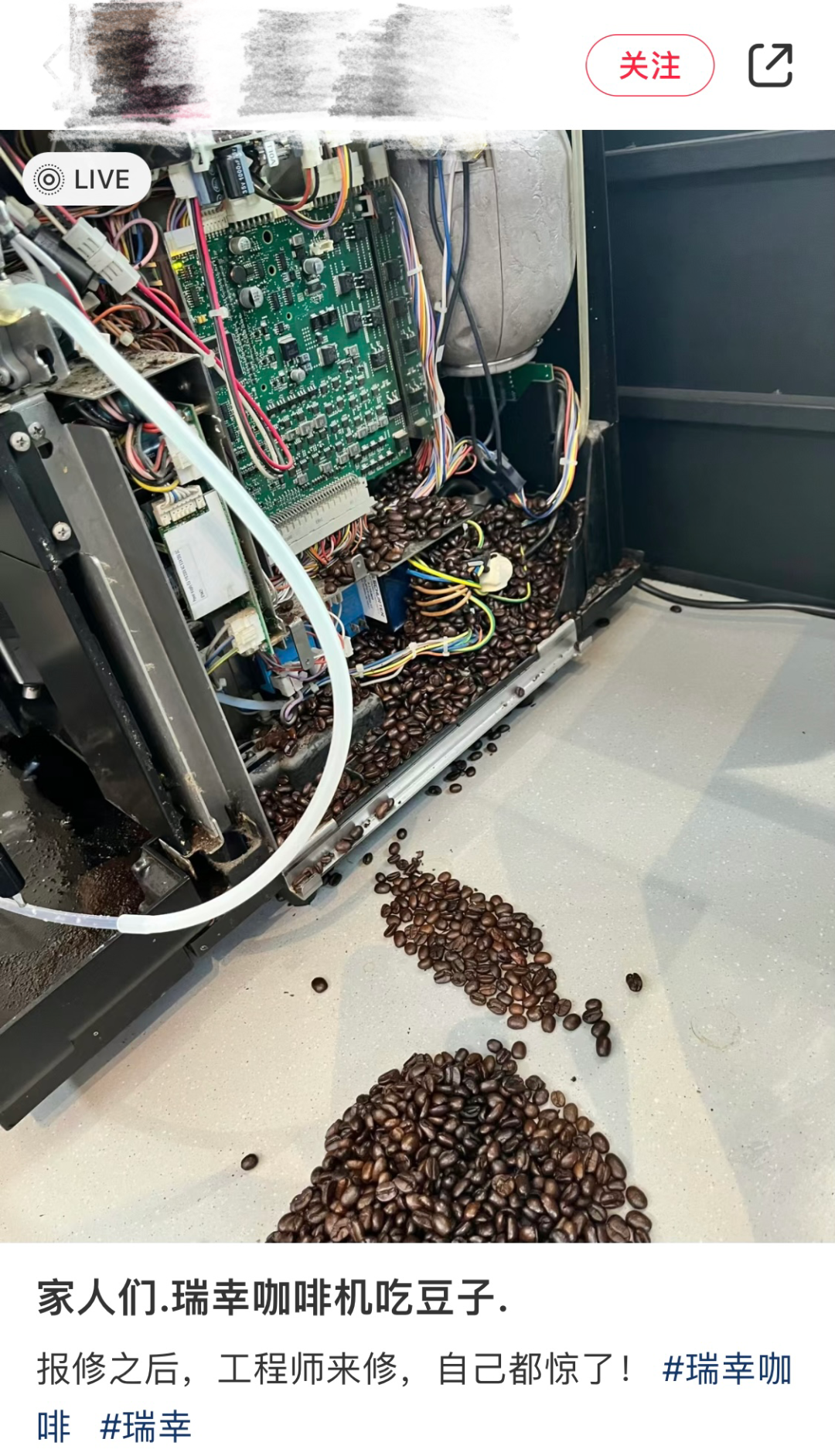
Thanks to its affordable pricing strategy and fast service, Luckin Coffee has won the hearts of a large consumer base. Especially in high-traffic stores, fully automatic coffee machines have become indispensable equipment. However, when machines operate under high load for extended periods, even the most advanced devices are prone to sudden breakdowns. Recently, a Luckin employee shared on social media the repair process of an in-store coffee machine, during which it was unexpectedly discovered that the machine had been "swallowing coffee beans," sparking heated discussion online.
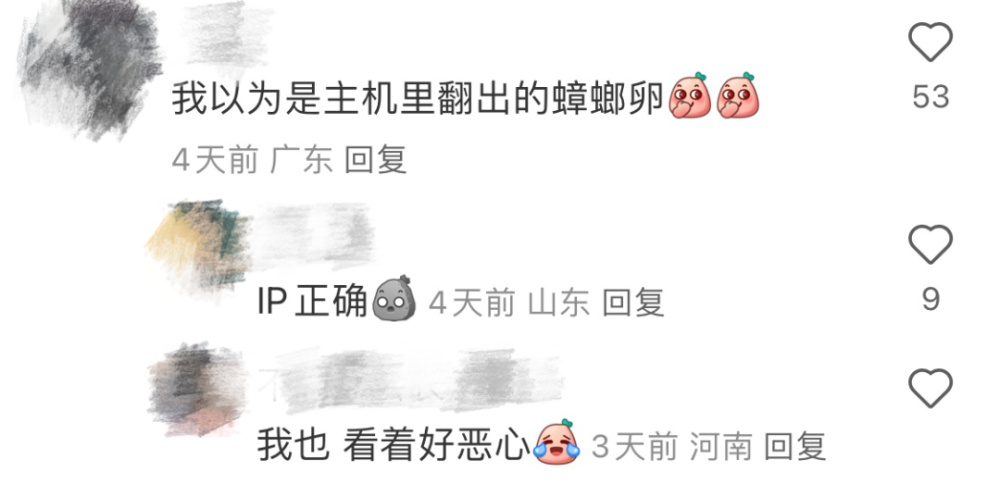
The employee noted that the coffee machine suddenly malfunctioned during use. After requesting repairs, technicians found upon inspection that something unusual had occurred inside the machine—large amounts of coffee beans were scattered inside, as if the machine had "eaten" them. This phenomenon not only surprised the repair personnel, but netizens who saw the photos were also shocked, with some saying they initially thought cockroaches were crawling everywhere. The image was truly unsettling.

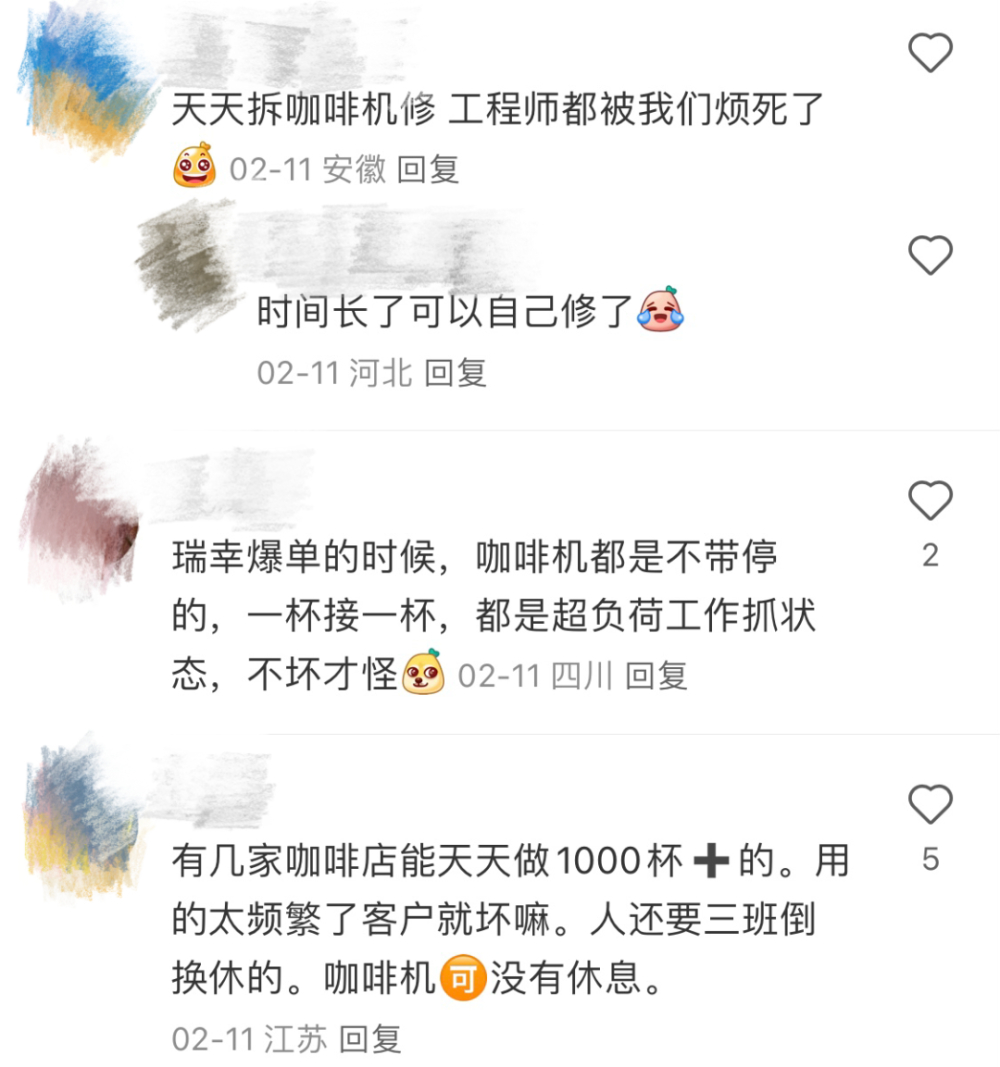
Some netizens further analyzed that when store orders surge, fully automatic coffee machines operate almost non-stop, brewing cup after cup. Operating continuously under high temperature and pressure places extreme stress on internal components such as the grinder unit, extraction system, and heating module, making them highly susceptible to wear or buildup-induced failures. Particularly in the bean hopper area, if coffee beans are not fed smoothly, blockages can easily occur, affecting overall operation or even causing the machine to shut down.
Industry insiders also pointed out that many shops, when faced with equipment failures, often prioritize repairs over outright replacement because simply replacing certain parts—such as control boards, heating tubes, or burr grinders—can restore normal operation at a more cost-effective rate. However, if regular maintenance is neglected over the long term, replacing parts may only offer temporary fixes without addressing the root problem.
In addition to the "bean swallowing" issue, other common malfunctions frequently arise. For example, grinder hopper blockages often result from accumulated coffee bean fragments or excessive moisture causing the beans to clump. It is recommended to clean the bean hopper daily after closing and ensure beans are stored in a dry environment to avoid dampness. Steam wand breakage is another common issue, often occurring during frequent hot milk frothing. Improper operation or failure to timely clean limescale and milk residue can damage the heating element and steam nozzle.It is recommended to perform a deep clean of the steam wand at least once a week using a specialized cleaning brush and descaling agent to extend its lifespan.
More interestingly, some employees posted photos showing that the touchscreens of certain coffee machines were damaged and could not function properly, so mice were used instead to operate the screens. Though seemingly comical, this highlights the dilemma of inadequate equipment maintenance. Moreover, some technicians even took it upon themselves to act as “repair masters,” disassembling machines in emergencies to troubleshoot problems, showcasing the adaptability of store staff.
Industry experts remind us that to maintain stable performance of coffee machines during peak operations, regular maintenance must not be overlooked. It is advised to inspect the grinding system weekly, clean the extraction and heating modules monthly, and replace filters, seals, and water softener consumables according to the brand’s recommendations. In addition, store personnel should receive basic troubleshooting training to detect and address emerging issues early, thereby preventing operational disruptions and preserving the customer experience.
In summary, the high malfunction rate of Luckin Coffee machines reflects not just the durability limitations of the equipment itself, but also the challenge of balancing overall operational tempo with maintenance management. Only through systematic maintenance plans and prompt response measures to malfunctions can one ensure that each cup of coffee delivers its best flavor consistently, while pursuing both efficiency and quality.
The above content is compiled by CoffeeHunters, a coffee news website.


