








Introduction:When you’re enjoying a pour over, cold brew, or siphon coffee, have you ever noticed a thin layer of "gloss" appearing on the surface of the cup as the coffee cools down? Many people mistakenly assume this is a sign of spoilage or contamination, but in fact, it’s a phenomenon where the natural oils in the coffee beans become visible under certain conditions. This article will explore the science of condensation to explain why these oils only become visible to the naked eye after cooling, and how different brewing equipment affects the visibility of coffee surface oils—helping you better understand every cup of coffee in your hand.
When savoring a carefully brewed pour over, cold brew, or coffee slowly extracted via a siphon, you may have noticed that as the coffee gradually cools, especially at room temperature or even lower, a faint sheen—resembling an oily film—appears on the surface. Many coffee beginners might first suspect that the coffee has gone bad or that some unknown impurities have gotten into the brew. In reality, this "oil sheen" is neither spoilage nor foreign contamination, but rather the natural oils contained within the coffee beans becoming visible under the right temperature and environmental conditions.
This phenomenon isn’t unique to pour over coffee. Other black coffees made with single-origin beans and without high-pressure extraction—such as cold brew or siphon coffee—can also develop a similar glossy layer on the surface as they cool. Many people’s first association is with the golden, fine foam atop espresso—known as Crema. So, what exactly is Crema? And how is it related to the "oil sheen" we see on cooled coffee?
In simple terms, Crema is a delicate foam formed when the natural oils in coffee beans encapsulate carbon dioxide gas released during the extraction process. It is neither artificially added nor a product of spoiled coffee, but rather a natural manifestation of the coffee bean’s internal compounds under specific brewing conditions. When we observe that glossy, oil-like film on the surface of cooled coffee, a similar mechanism is at play, though the presentation differs slightly from the Crema on espresso.

The key lies in the natural physical phenomenon of "condensation." Condensation refers to the process where gases or liquids transition into a condensed state upon contact with a cooler surface due to a drop in temperature. Common examples include water vapor condensing into droplets on a cold windowpane, or water freezing in low temperatures. The volatile compounds and tiny oil droplets in coffee may remain suspended in the liquid and go unnoticed at higher temperatures, but as the coffee cools, these substances tend to accumulate on the surface. Coupled with possible condensation effects, the oils originally mixed within the coffee form a visible glossy layer on the cup’s surface.
It’s worth noting that how pronounced this oil sheen is depends significantly on the brewing method and filtration equipment used.The material and design of the filter greatly influence the amount of residual oils in the final cup of coffee.For example, when using high-density filter paper for pour over brewing, the paper effectively traps most of the coffee fines and oils. As a result, the freshly brewed coffee usually appears very clear, with almost no oil sheen or suspended particles. However, as the coffee cools, some substances that were previously stably suspended or dissolved may re-aggregate on the surface due to physical changes, along with condensation effects, forming the "oil film" we see.
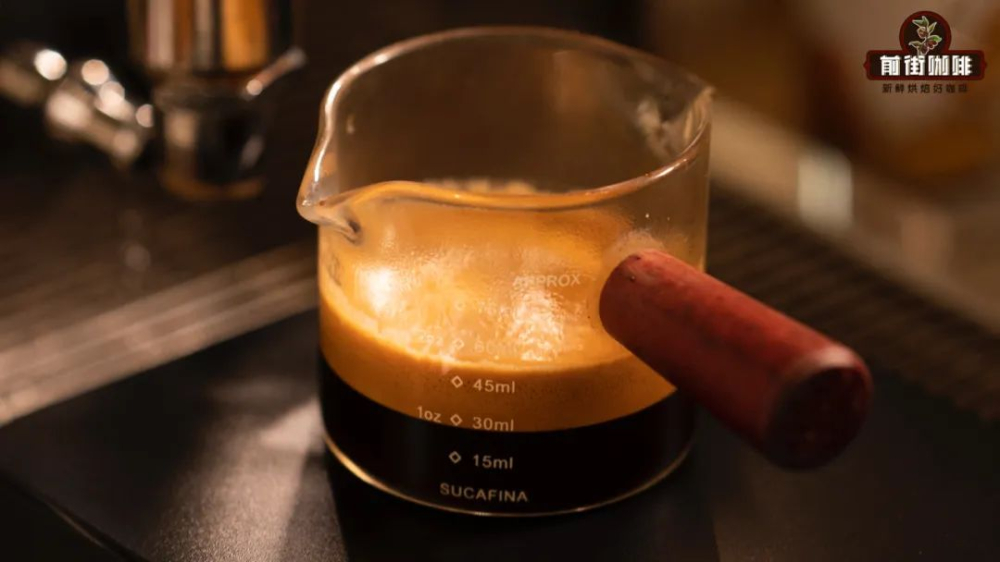
Conversely, if you use a metal filter or an unfiltered brewing method—such as a French press—more coffee oils and fine particles will make their way directly into the cup. In such cases, the coffee may already show a relatively noticeable oil sheen or suspended particles right after extraction. This type of coffee tends to retain a more prominent oil sheen even after cooling, simply because more oils were not filtered out to begin with.
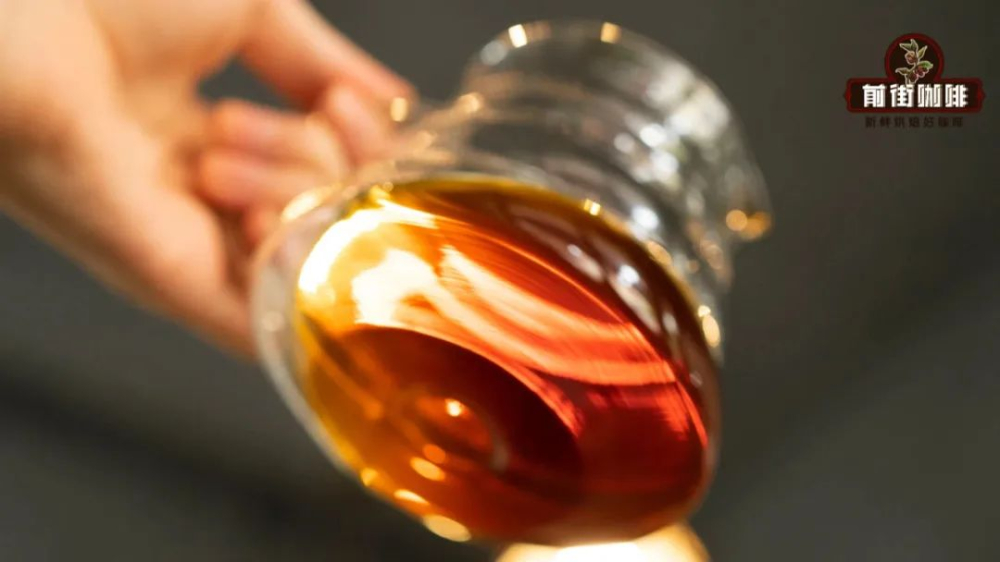
Overall, the oil sheen that appears on coffee as it cools is actually the result of the coffee bean’s natural oils transitioning from invisible to visible under specific brewing and environmental conditions. It is not a flaw, nor does it indicate poor coffee quality—it’s part of the coffee’s inherent nature. Understanding the science behind this can help you appreciate the unique characteristics of each cup of coffee at different stages, and also allow you to more accurately assess the coffee’s extraction status and flavor profile.

So the next time you pick up a slowly cooling pour over coffee and notice that soft gloss on the surface, take a closer look—you might just gain a deeper understanding and appreciation for that cup of coffee.

The above content is compiled by CoffeeHunters, a coffee news website.


