







Introduction:Did you think coffee flowers are only pure white? In fact, under very rare circumstances, coffee trees can also bloom with pink flowers. This article will take an in-depth look at two coffee varieties capable of producing pink blossoms — the naturally low-caffeine Racemosa and its hybrid Aramosa, as well as Purpurascens, which results from a genetic mutation. We’ll also share the story of how Guatemala’s El Socorro Estate has commercialized this rare variety and gained recognition in the Cup of Excellence competition, taking you on a journey to uncover the lesser-known surprises in the world of coffee.
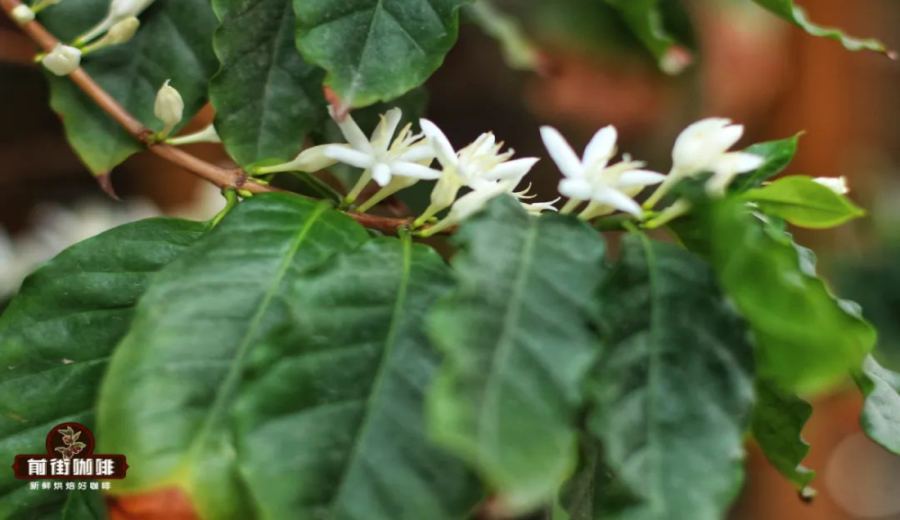
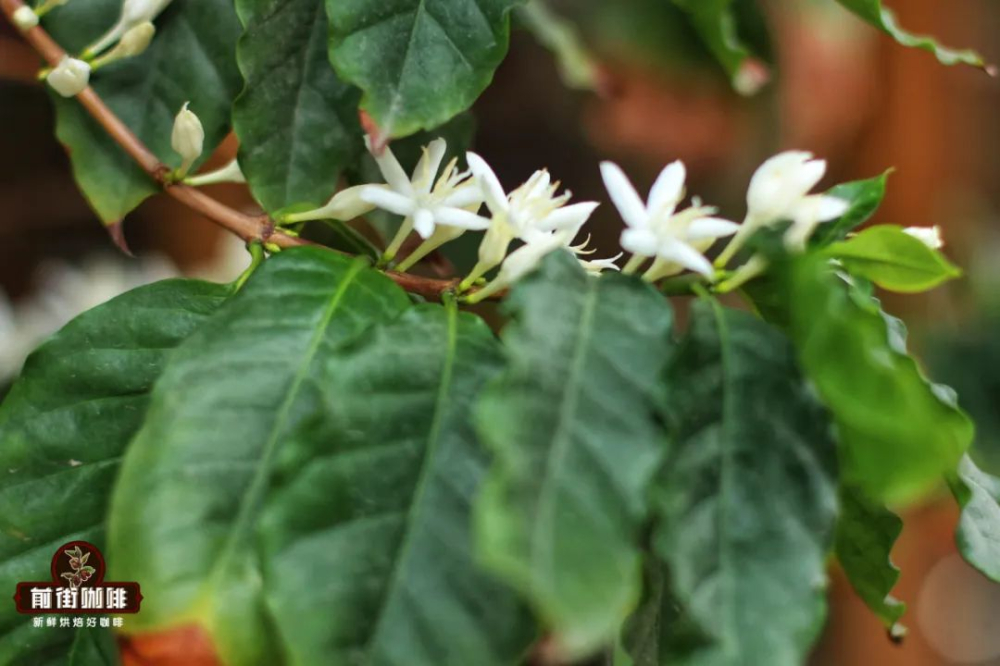
When walking through a coffee plantation and seeing clusters of small white flowers blooming on slender branches, it usually signals that the harvest season is just around the corner. The number and density of coffee flowers are often important indicators for predicting yield. These flowers are mostly pure white, consisting of five to six petals, and emit a delicate fragrance reminiscent of jasmine or magnolia. They quietly bloom each year between February and March, under suitable altitude and climate conditions.
But have you ever heard that a very small number of coffee trees can produce strikingly pink flowers? This rare phenomenon actually conceals fascinating variety origins and genetic secrets. Throughout the history of global coffee cultivation, only a handful of varieties naturally display pink flowers, which can mainly be categorized into two types.
The first type consists of varieties resulting from natural genetic mutations. The most representative of these is the naturally low-caffeine coffee variety — Racemosa (Coffea racemosa), also known as raceme coffee. This variety originates from southern Africa, particularly Mozambique and Tanzania, and is one of the oldest known coffee varieties. It was introduced to Brazil for research as early as 1954. Its most notable characteristic is its extremely low caffeine content, at only about 0.7%, far lower than the 1.2% to 1.6% typically found in Arabica beans.
To preserve its low-caffeine trait while enhancing disease resistance, researchers at the Brazilian Agricultural Research Corporation (Embrapa) in Campinas hybridized Racemosa with common Arabica varieties, resulting in a new variety — Aramosa. This variety is currently grown mainly in some small high-altitude farms in Brazil. Not only do its flowers display a beautiful rose-pink hue, but its ripe fruits also turn an attractive purplish-red. However, due to its low caffeine content, this type of variety has relatively weaker resistance to pests and diseases, so it needs to be cultivated in high-altitude, cool-climate regions to reduce the risk of infestation.
The second type of coffee variety that can produce pink flowers is the result of spontaneous mutations in chromosomal DNA sequences. The most representative of these is Purpurascens (also translated as purple leaf variety). This mutation causes abnormal pigment expression throughout the plant, not only giving young leaves, new stems, and stipules a distinct purplish tint, but also causing the flowers to bloom in a soft pink color, making them highly visually distinctive.
However, such mutations are not entirely beneficial. Studies indicate that Purpurascens varieties generally have lower yields and, due to their unique appearance and physiological traits, are more susceptible to pests and diseases. Nevertheless, this has not stopped coffee farmers from exploring their potential.
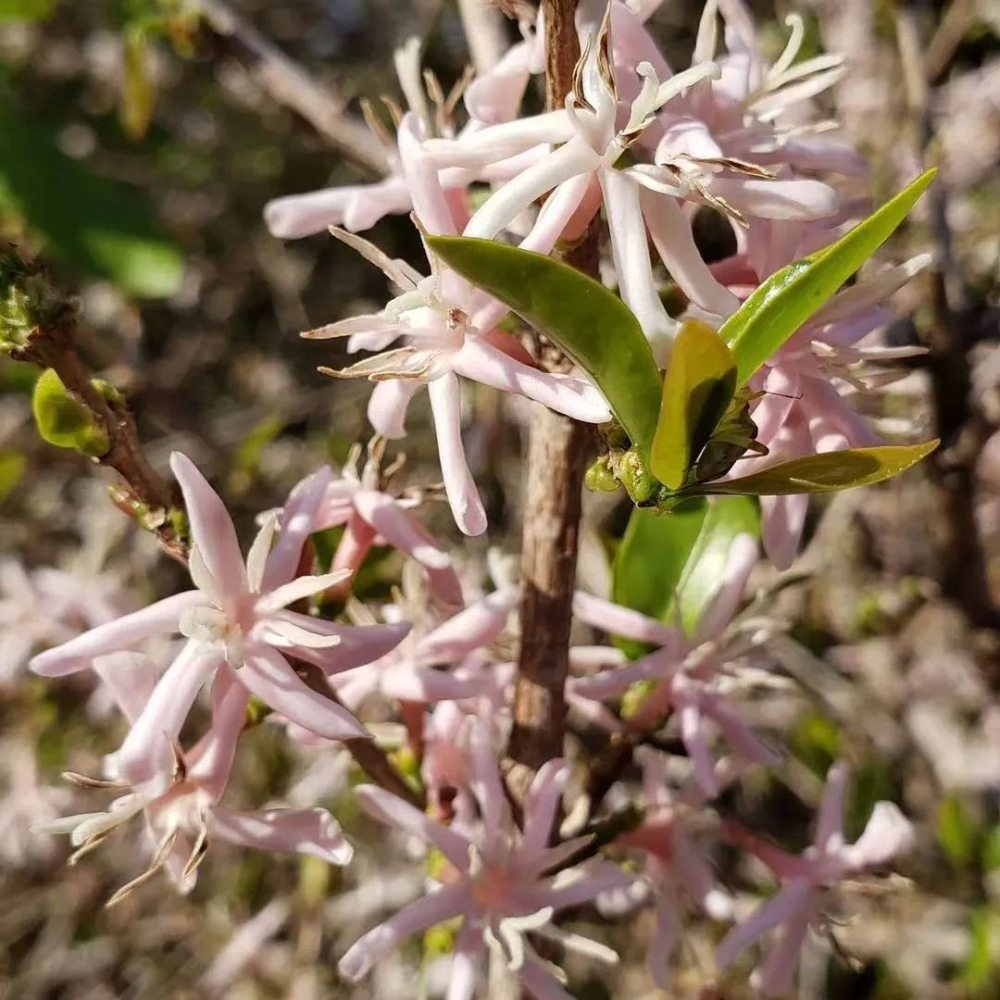
For example, at El Socorro Estate in Guatemala, the owner accidentally discovered mutant plants with purple leaves and pink flowers among the seedlings of the Maracaturra variety planted on their farm back in 2009. These plants were not only visually unique, but cupping tests also revealed an astonishing flavor profile — featuring intense blackcurrant and ripe plum acidity, with rich and balanced layers. The owner then used precise grafting techniques to gradually commercialize the cultivation of this special mutant variety. In the following editions of the Guatemala Cup of Excellence competition, it achieved outstanding results multiple times, proving that this variety not only has ornamental value but also excellent flavor potential.
Overall, the existence of pink coffee flowers is not just a random occurrence in nature, but the result of the combined effects of genetics, breeding techniques, and agronomic practices. Although most coffee growers may never have the chance to witness this rare sight in their lifetime, as producers and research institutions around the world continue to invest in variety improvement and hybridization experiments, we may one day see these colorful blossoms dotting the green canopies of more coffee farms, adding even more surprises to the diverse world of coffee.
The above content is compiled by CoffeeHunters, a coffee news website.


